
NEWS
BREAKING: UK, France, Poland, Germany and Sweden are deploying contingent troops to Greenland, other countries are reportedly about to also JOIN and DEFEND, following Trump’s threats to annex the strategically vital Arctic island…

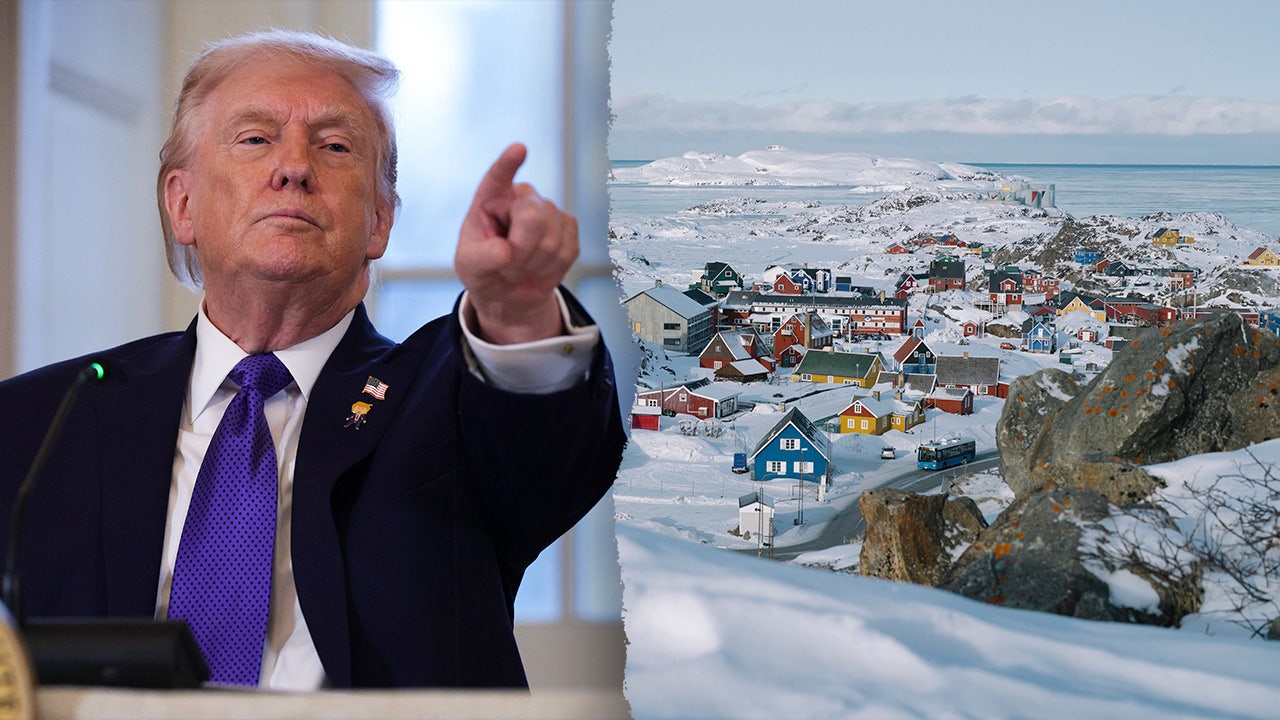
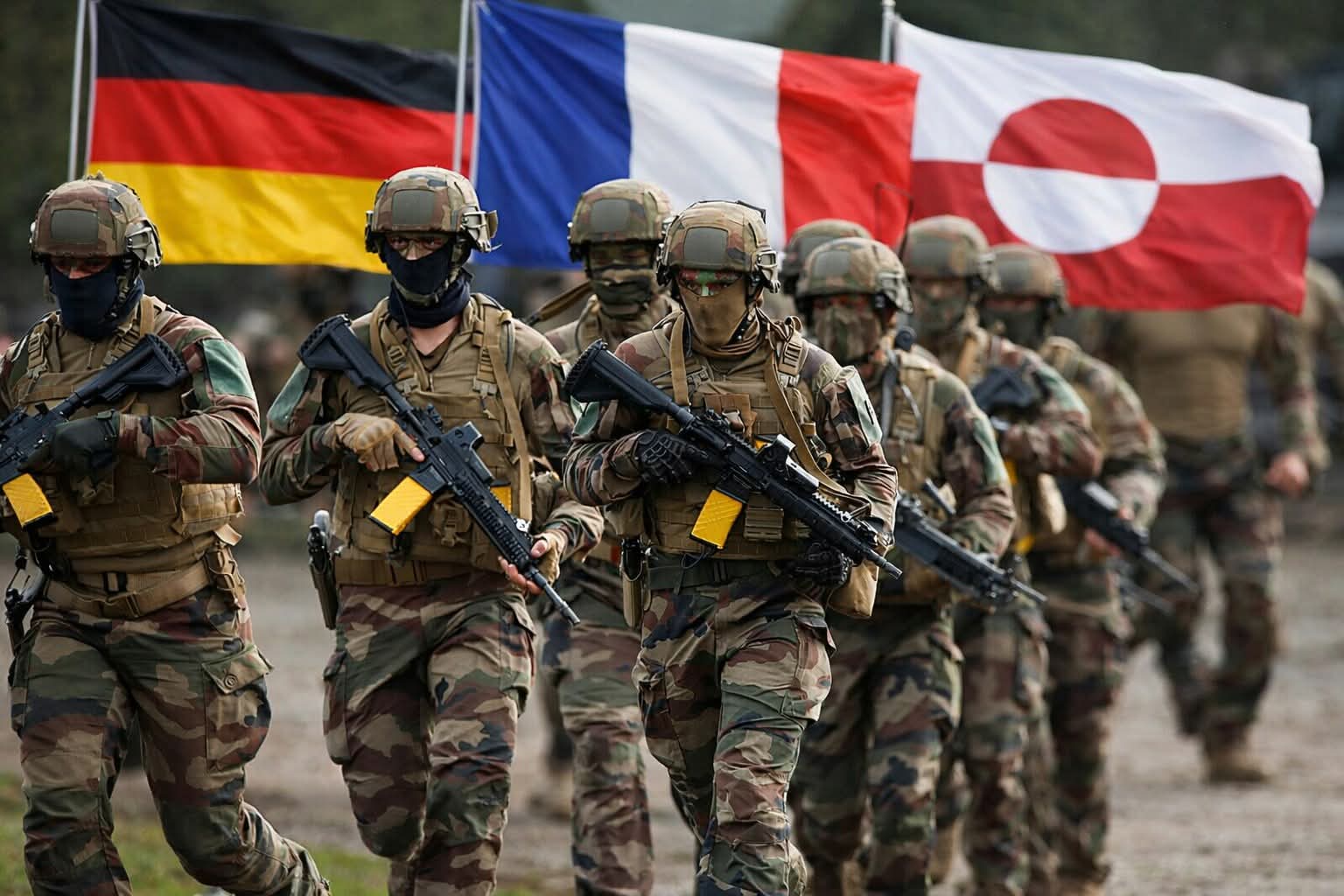
In a stunning escalation that is rapidly reshaping global geopolitics, the United Kingdom, France, Germany, Poland, and Sweden have confirmed the deployment of contingent troops to Greenland, following mounting threats by former U.S. President Donald Trump to annex the strategically vital Arctic island.
Multiple diplomatic sources now indicate that additional countries are preparing to join the defensive coalition, turning Greenland into the center of what analysts are calling the most dangerous Arctic confrontation in modern history.
What began as a series of provocative statements has now triggered a full-scale international response.
Greenland, an autonomous territory within the Kingdom of Denmark, sits atop one of the most strategically important regions on Earth. Rich in rare earth minerals, positioned along critical Arctic shipping routes, and essential to missile defense and satellite infrastructure, the island has long been viewed as a geopolitical prize. But Trump’s renewed rhetoric — framing Greenland as “vital to U.S. national security” and hinting at unilateral annexation — appears to have crossed a red line for Europe.
Within days, European capitals moved swiftly.
Military planners from London, Paris, Berlin, Warsaw, and Stockholm reportedly coordinated emergency consultations with Danish and Greenlandic authorities.
The result: a rapid deployment of multinational forces designed not to provoke conflict, but to make one unmistakable point — Greenland is not for sale, and it will not be taken by force.
According to officials familiar with the discussions, the troop deployments are defensive in nature. Units include Arctic-trained ground forces, air surveillance teams, and naval support elements positioned to protect key infrastructure and territorial integrity.
The presence of Polish and Swedish forces, in particular, underscores how seriously Eastern and Northern Europe view the threat, despite Greenland being thousands of miles away.
“This is about the rule of law,” one senior European defense official reportedly said. “If annexation threats are allowed to stand without consequence, no border in the world is truly safe.”
Behind the scenes, diplomatic channels are said to be burning hot.
Denmark has lodged formal objections and has received explicit backing from NATO allies, even as alliance leaders struggle to navigate the political complexity of responding to a former — and potentially future — U.S. president. Greenland’s own leadership has issued firm statements rejecting any notion of annexation, emphasizing the island’s right to self-determination and warning that militarized pressure will only deepen resistance.
Trump, however, has shown little sign of backing down.
In recent remarks, he doubled down on claims that Greenland is “essential” to American defense initiatives, particularly missile interception systems and Arctic dominance. He framed European resistance as obstructionist and hinted that the U.S. would “do what it has to do” to protect its interests — language that has alarmed diplomats on both sides of the Atlantic.
That rhetoric appears to be accelerating international involvement.
Sources indicate that Canada, Norway, and the Netherlands are actively reviewing options to join the coalition, while informal talks with Baltic states are reportedly underway. If confirmed, the growing alliance would represent one of the largest coordinated European security actions outside continental Europe in decades.
Military analysts warn that the situation is dangerously delicate.
While no shots have been fired and no direct clashes have occurred, the convergence of multinational forces in a remote, heavily militarized Arctic environment increases the risk of miscalculation. The Arctic, once considered a frozen backwater, is now emerging as a frontline of great-power competition — and Greenland is at its heart.
“This isn’t just about one island,” said one geopolitical strategist. “It’s about whether borders can be rewritten through pressure and power in the 21st century.”
For the people of Greenland, the sudden global attention is both validating and unsettling. Local leaders have welcomed international support but stress that their island must not become a pawn in a larger power struggle. Protests have reportedly erupted in Nuuk, with residents demanding respect for Greenlandic sovereignty and warning against turning their homeland into a military chessboard.
As night falls over the Arctic, troop movements continue, diplomatic messages multiply, and the world watches closely.
The question now is not whether Greenland is strategically important — that is no longer in doubt.
The question is how far this confrontation will go… and who makes the next move.










10 MINUTES AGO: Washington in Panic as President Donald Trump Shot Again While Exiting the White House and Urgently Rushed to the Hospital – Is This a Stunt to Distract from the Epstein Files? Here Are the Full Details

Furious Rep Melanie Stansbury Takes a Bold Move against Trump and his Associates in the Epstein Files after her recent interview, but she might not be safe after this move

BREAKING: Bad Bunny Files Stunning $500 Million Lawsuit Against Donald Trump, Claiming The President’s Super Bowl LX Halftime Remarks Were Made With “Actual Malice” and it’s Causing Severe Reputation Damage

Travis Kelce and Taylor Swift Turn Heads After Appearing at NFL Honors, and Fans Can’t Stop Talking About Taylor’s Unusually Elegant Silver Mini Dress… See Photos

Travis Kelce admitted to cheating on fiance Taylor Swift’s because…

Taylor Swift calls off engagement and wedding plans with Ex Travis Kelce and reveals one shocking reason why

“Why am I being dragged into this?”: Travis Kelce frustrated as Taylor Swift parents stops him from getting married to their daughter because of Austin

“Travis Has Crossed the Line” — Taylor Swift Breaks Her Silence and Reveals What Travis Kelce Did That She Says She Will Never Forgive

Taylor Swift Announces Her Mom and Dad Are Divorcing, Then Says “Travis and I Are No…” — Full Details

Taylor Swift Secretly Bought the Kansas City Chiefs for $14 Billion — Sources Say She Did It to “Protect Travis’s Legacy”

JUST IN: House Democrats are said to be only five votes short of moving forward with Trump’s impeachment, as political pressure rises and a single vote could shift the outcome in Washington.
