
NEWS
BREAKING: Europe Rushes Troops to Greenland as Trump Pushes Annexation Plan — Emergency Talks, Secret Deals, and a Red Line Crossed

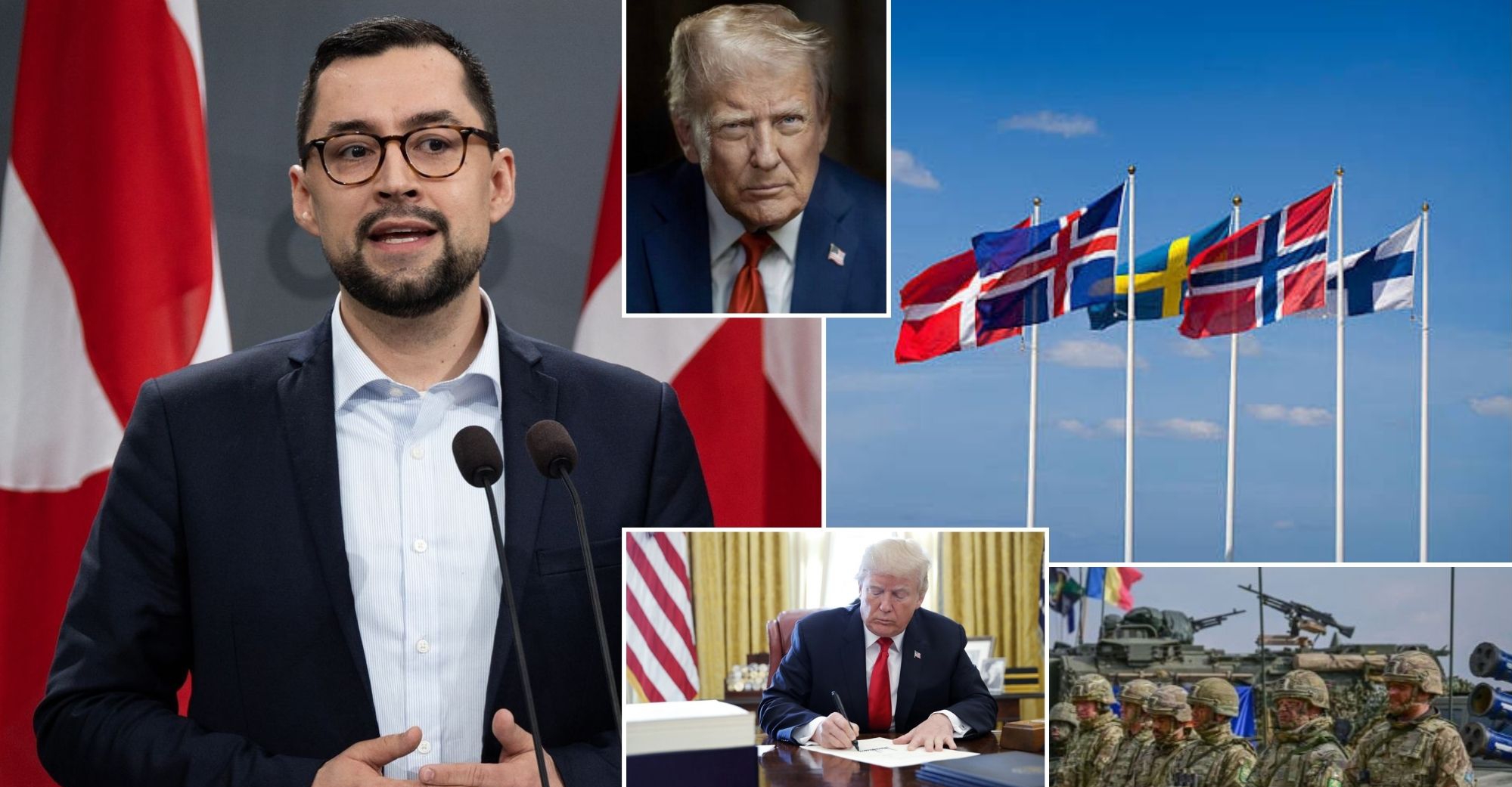
What once sounded like political bluster has now spiraled into a serious international confrontation.
European nations are moving rapidly to protect Greenland after President Donald Trump reignited his controversial push to bring the massive Arctic territory under U.S. control — this time with legislative backing and mounting pressure behind the scenes.
In an extraordinary show of unity, Norway, Sweden, Germany, and Finland have all reportedly deployed troops and security personnel to Greenland or placed forces on high alert in coordination with Denmark.
The move signals growing alarm across Europe that Trump’s annexation rhetoric is no longer theoretical, but part of a broader strategy unfolding at an unsettling pace.
Greenland, while geographically remote, has become one of the most strategically valuable pieces of land on the planet. Sitting at the gateway between North America and Europe, the island is rich in rare earth minerals and critical Arctic shipping routes, making it a prized asset in an era of rising global competition.

Trump has repeatedly framed U.S. interest in Greenland as a matter of national security — but European leaders see something far more destabilizing.
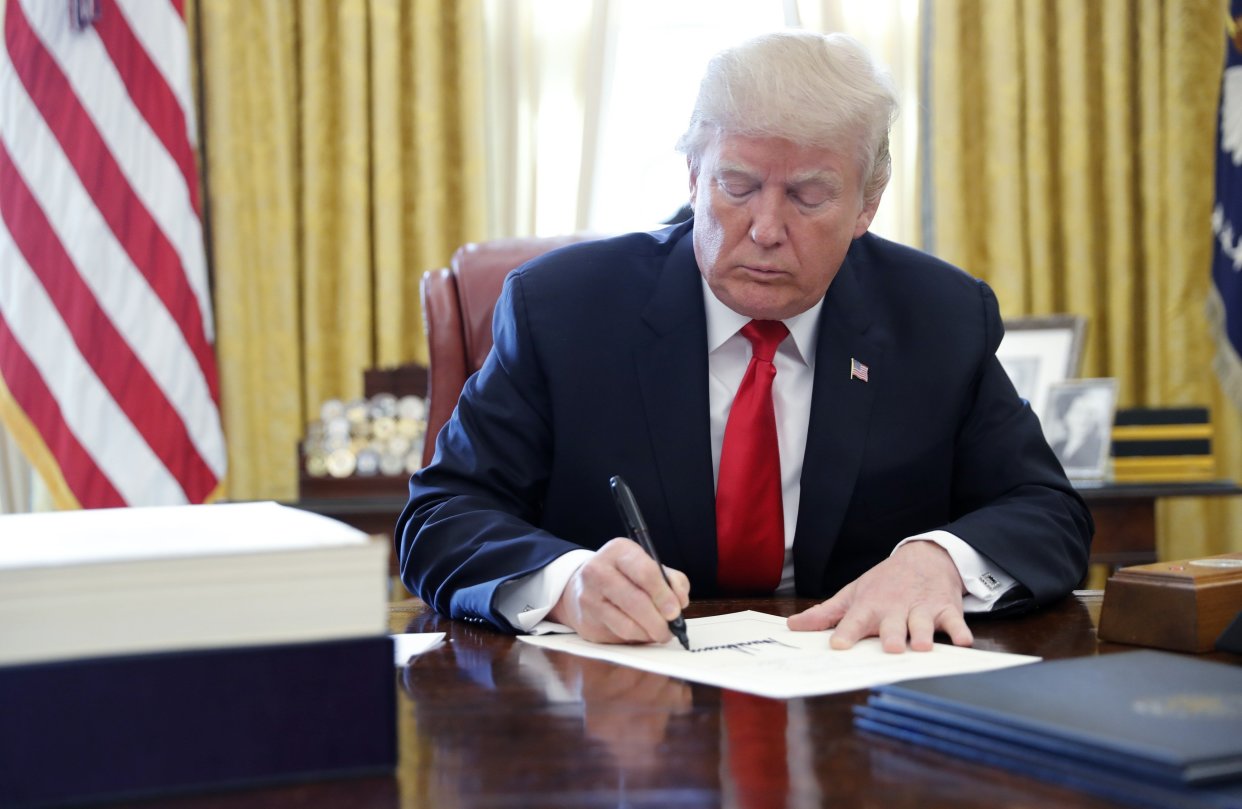
The tension escalated sharply after Trump signaled his intention to sign a new bill that would expand presidential authority to pursue territorial annexation.
While the legal boundaries of such authority remain contested, the political message was unmistakable: the United States may be preparing to move unilaterally.
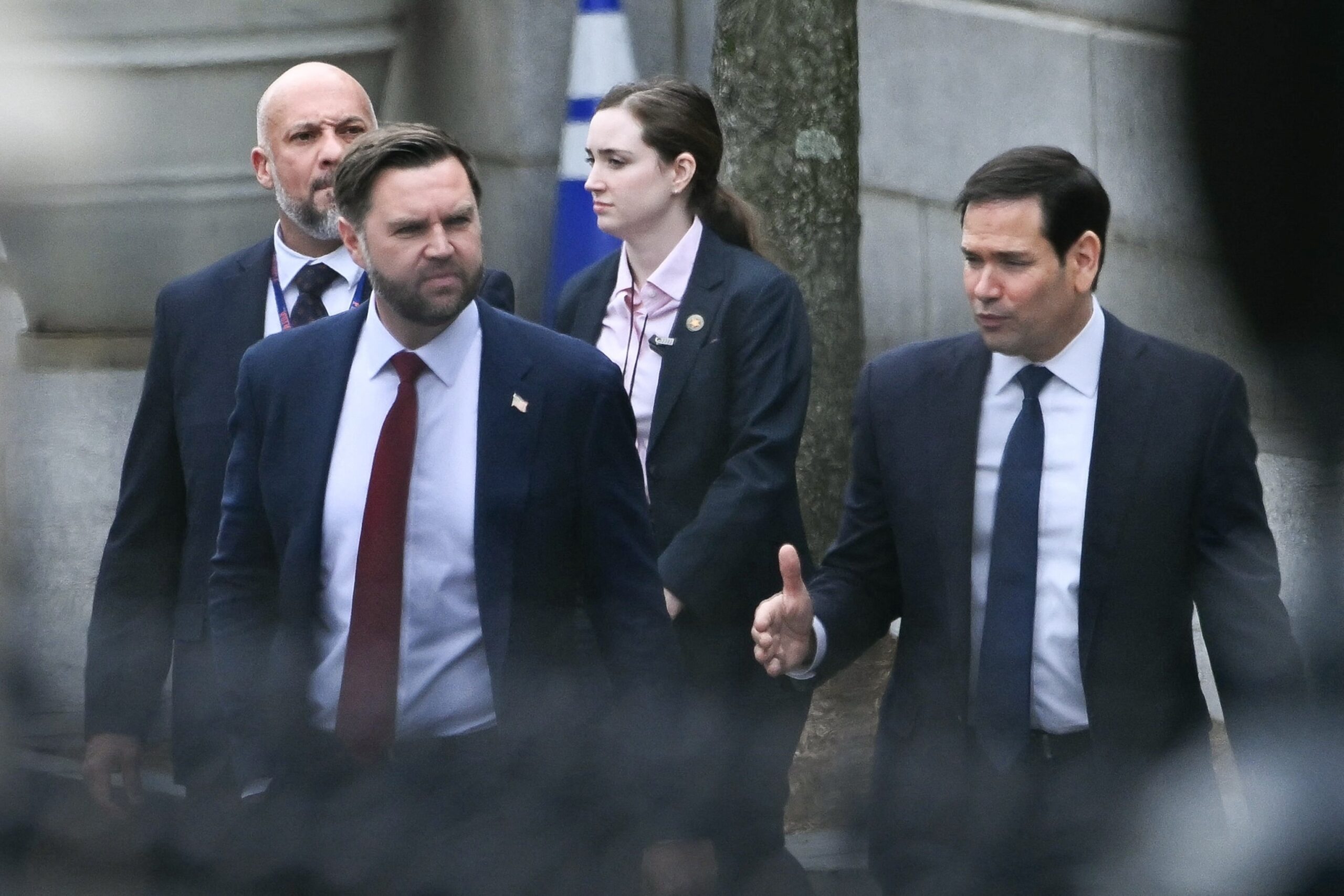
Behind closed doors, diplomacy was already fraying.
JD Vance and Marco Rubio recently concluded sensitive talks with officials from Greenland and Denmark, meetings described by sources as unusually blunt and tense. Rather than routine diplomatic engagement, the discussions reportedly centered on Trump’s demands for expanded U.S. control, long-term security oversight, and strategic dominance in the Arctic.
Danish officials are said to have firmly rejected any proposal that undermines Greenland’s autonomy, reiterating that the territory is not for sale, trade, or coercion. Greenlandic leaders, meanwhile, were reportedly alarmed by the tone of the talks, warning that decisions about their future were being discussed without their consent.
What followed raised eyebrows across Europe.
Within days of the talks ending, military coordination among northern European nations intensified. Defense officials held emergency consultations. Assets were quietly repositioned. And then came the visible signal: troops arriving in Greenland, not as occupiers, but as a protective deterrent.
To many analysts, Europe’s message is clear — any attempt to force the issue will be met with unified resistance.
The move also exposes deep cracks within NATO. While the alliance is built on mutual defense, the idea of one member pursuing territorial annexation of another member’s territory has triggered unprecedented concern.
European leaders fear the situation could set a dangerous precedent, not just for Greenland, but for global norms surrounding sovereignty.
Publicly, officials are careful with their words. Privately, the anxiety is unmistakable.
Some insiders suggest the talks ended with ultimatums rather than compromises. Others claim intelligence briefings presented scenarios that forced Europe’s hand. What is clear is that the speed and scale of the response point to information that has not yet reached the public.
As troops remain in place and political pressure mounts, the world is left watching a situation that could redefine Arctic power, strain alliances, and test international law in ways not seen in decades.
And the most unsettling question remains unanswered:
What exactly was said in those final moments behind closed doors — and why did Europe react as if the clock had already started ticking?
Because if this is only the opening move, the next one could change everything.










10 MINUTES AGO: Washington in Panic as President Donald Trump Shot Again While Exiting the White House and Urgently Rushed to the Hospital – Is This a Stunt to Distract from the Epstein Files? Here Are the Full Details

Furious Rep Melanie Stansbury Takes a Bold Move against Trump and his Associates in the Epstein Files after her recent interview, but she might not be safe after this move

BREAKING: Bad Bunny Files Stunning $500 Million Lawsuit Against Donald Trump, Claiming The President’s Super Bowl LX Halftime Remarks Were Made With “Actual Malice” and it’s Causing Severe Reputation Damage

Travis Kelce and Taylor Swift Turn Heads After Appearing at NFL Honors, and Fans Can’t Stop Talking About Taylor’s Unusually Elegant Silver Mini Dress… See Photos

Travis Kelce admitted to cheating on fiance Taylor Swift’s because…

Taylor Swift calls off engagement and wedding plans with Ex Travis Kelce and reveals one shocking reason why

“Why am I being dragged into this?”: Travis Kelce frustrated as Taylor Swift parents stops him from getting married to their daughter because of Austin

“Travis Has Crossed the Line” — Taylor Swift Breaks Her Silence and Reveals What Travis Kelce Did That She Says She Will Never Forgive

Taylor Swift Announces Her Mom and Dad Are Divorcing, Then Says “Travis and I Are No…” — Full Details

Taylor Swift Secretly Bought the Kansas City Chiefs for $14 Billion — Sources Say She Did It to “Protect Travis’s Legacy”

JUST IN: House Democrats are said to be only five votes short of moving forward with Trump’s impeachment, as political pressure rises and a single vote could shift the outcome in Washington.
