
NEWS
NEWS: Tim Walz says he has activated the National Guard after federal agents shot and killed a 37 year old man, but it seems it was done to help ICE and not citizens. And Trump’s odd response confirms it…

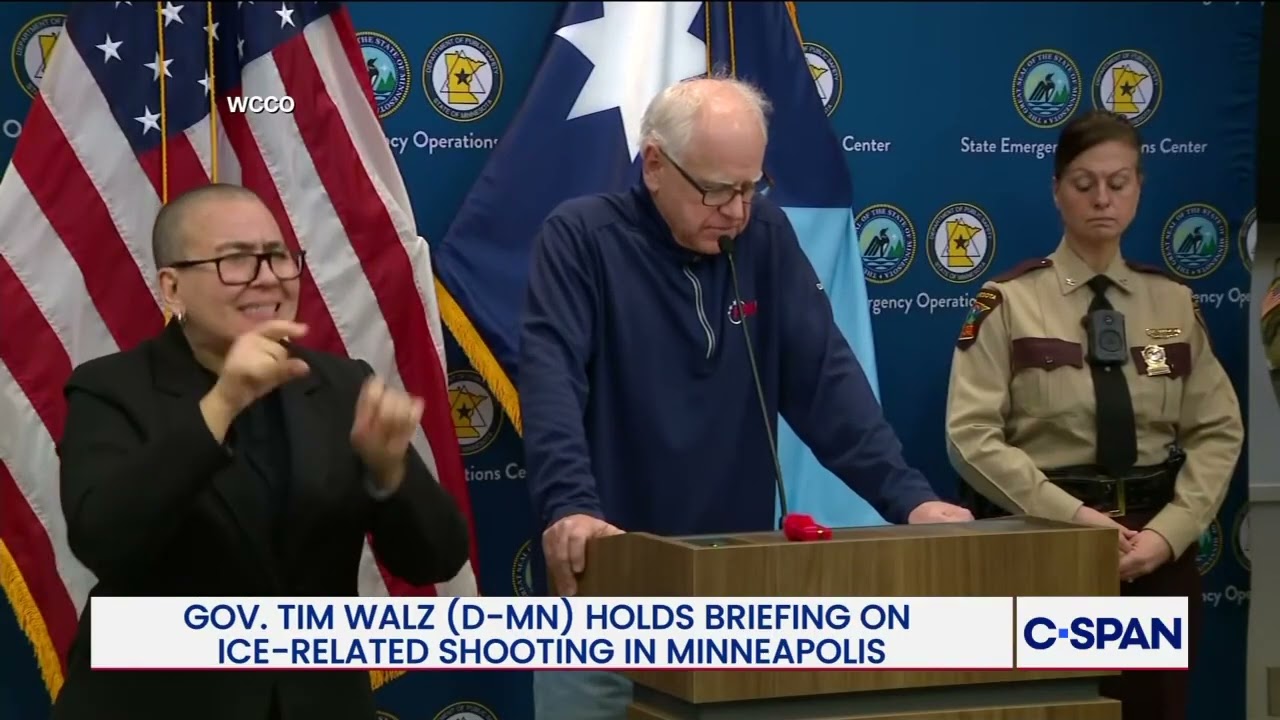
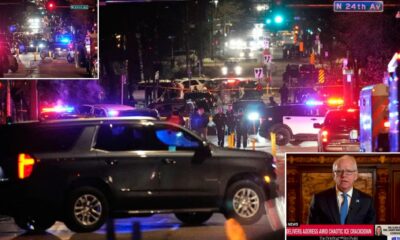
When the morning unfolded on a busy street in south Minneapolis, few expected it to become one of the most debated law enforcement events in recent American memory. By the end of the day, a Minneapolis community was reeling, state leadership had taken extraordinary steps, and citizens across the country were watching a video that would ignite intense public scrutiny.
At the center of the controversy was the death of a 37 year old man named Alex Jeffrey Pretti, a United States citizen, registered ICU nurse, athlete, son and brother. What set this incident apart from countless others was not just the involvement of federal immigration agents, but the witness video that captured nearly every moment and spread rapidly online.
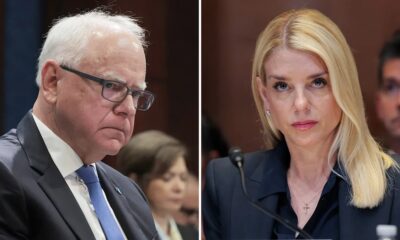
As news of the shooting broke, Minnesota Governor Tim Walz took an unusual step for a state leader. He announced that he had activated the Minnesota National Guard, a decision that underscored how serious and fraught the situation had become. But critics quickly questioned the purpose and effect of this action, saying that instead of protecting local residents, it appeared to reinforce the presence of federal agents — including ICE — in Minneapolis.
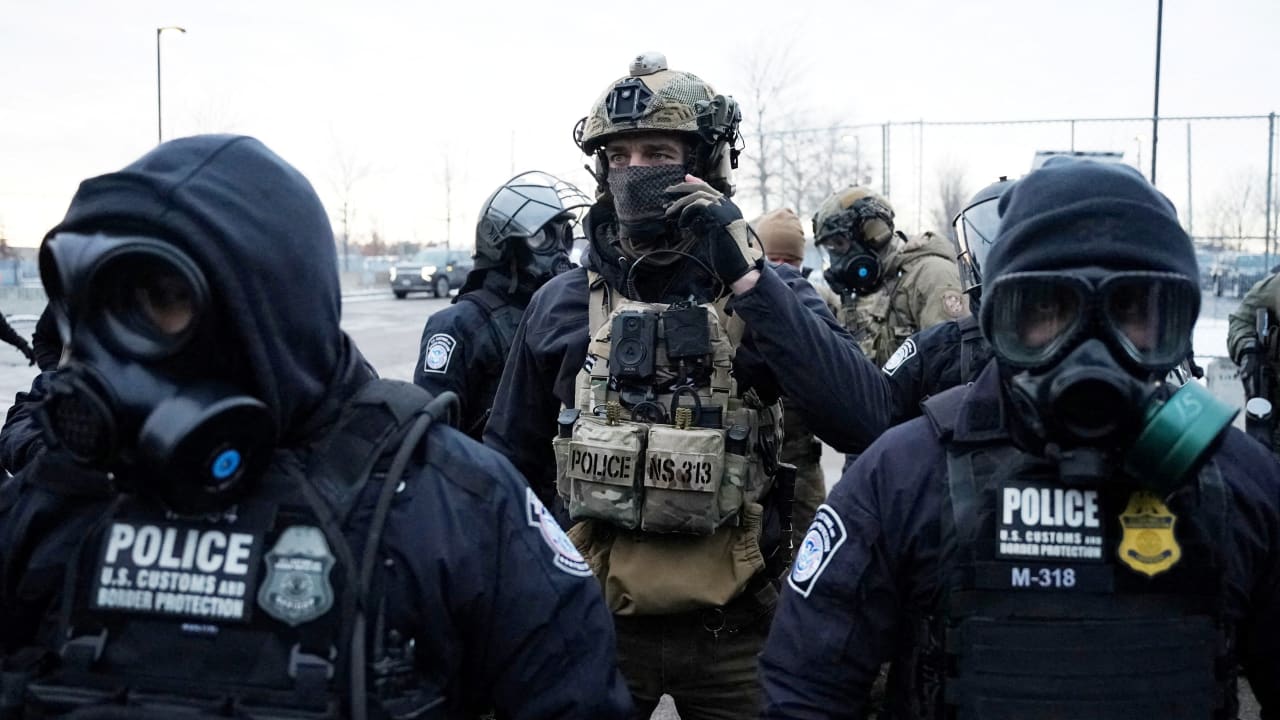
The tension began days before. Federal immigration enforcement teams had been deployed to Minneapolis amid ongoing demonstrations and clashes days earlier. Their presence, aimed at supporting operations and responding to previous protests, was already controversial. Many Minneapolis residents and local leaders had openly expressed concern over the federal footprint in their city, arguing that it was neither requested nor welcomed.
Then came the video.
Captured by a bystander on a nearby sidewalk, the footage shows a group of federal agents interacting with a man in a public area. A crowd of onlookers can be heard in the background, reacting to what they are witnessing. Moments later, shots ring out. The man falls to the ground and does not rise.
Within hours, the video was shared widely across social platforms, raising difficult questions. What exactly happened in those critical seconds before the shots were fired? Was the use of force justified? And why were federal immigration agents — whose primary mission focuses on immigration enforcement — armed and engaged in a street confrontation in a Minneapolis neighborhood?
Minnesota’s law enforcement and state officials were quick to weigh in. Governor Walz’s announcement that the National Guard was now activated added another layer of complexity. Traditionally, the National Guard is called in to assist with disaster response, crowd management, or to supplement local law enforcement during emergencies. But in this case, critics argued that the Guard’s activation did little to calm tensions and instead seemed to signal state alignment with the ongoing federal response.
Local leaders and civil rights advocates expressed frustration. “Why activate the Guard if it does not protect the public or ensure transparency?” many asked. Some community members interpreted the move as a tacit endorsement of the federal operation, rather than a safeguard for local residents. Social media was ablaze with debate, with hashtags, videos, and discussions trending within hours of the announcement.
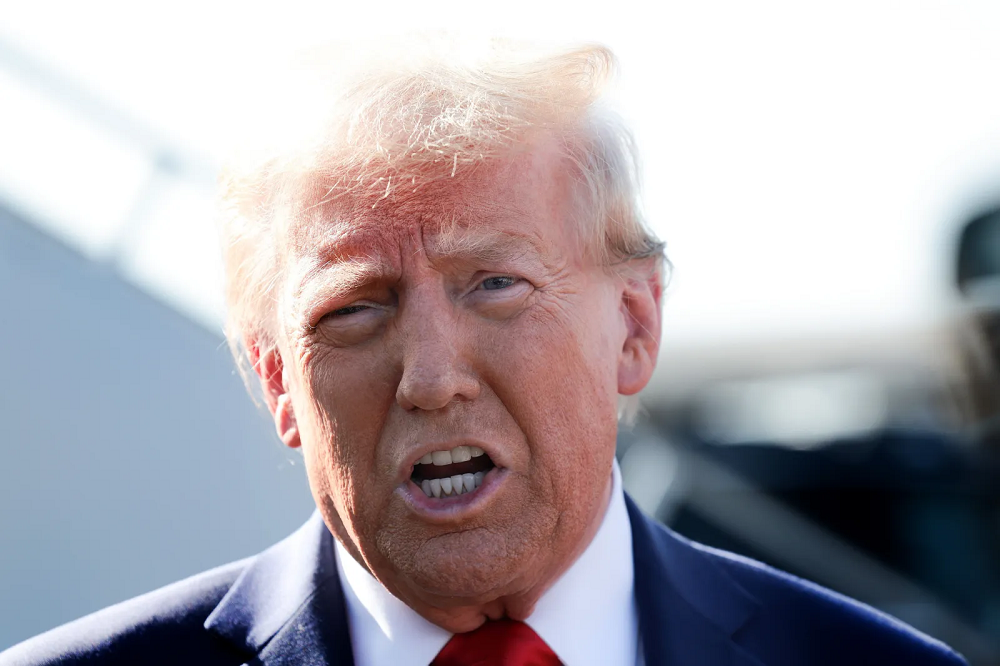
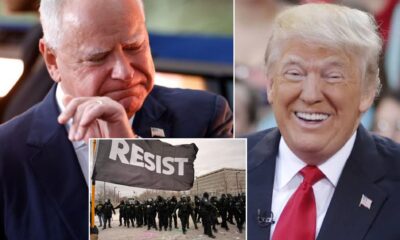
Adding to the controversy was the broader political context. The incident occurred during a period of intense national discussion about federal authority, policing, and civil liberties. Former President Donald Trump weighed in publicly, offering what many commentators described as an odd and assertive response that appeared to back the federal agents involved rather than focus on the loss of life or the need for a full, transparent investigation.
Critics argued that Trump’s remarks — which emphasized support for law enforcement actions while offering little in the way of empathy for the victim’s family — amplified the sense that the shooting was being treated less like a tragedy and more like a validation of federal power.
Meanwhile, community organizers and everyday citizens in Minneapolis were left with lingering questions and growing distrust. Despite the National Guard’s presence, there were no clear updates on increased community safety measures or tangible steps to address public concern. Weeks passed with the Guard standing by, but many residents reported feeling that their voices were unheard and their safety secondary to broader federal objectives.
As the public pressure mounted, state and local officials insisted that investigations were ongoing and that all available evidence, including the video, would be reviewed carefully. Minnesota law enforcement leaders also stressed that they were not leading the federal investigation, which further frustrated residents hoping for swift answers.
Through it all, one central issue remained at the heart of the debate: What role should federal immigration forces have in local communities — especially when their actions result in the death of a citizen? And if state leaders activate extraordinary measures like the National Guard, who are they ultimately serving?
For many in Minneapolis and across the country, the answers to those questions were not clear. What they saw instead was a community left to grapple with a shocking loss, a controversial federal presence, and a state response that raised as many questions as it attempted to answer.









Taylor Swift Reveals Her Mom Is Facing Cancer Again: ‘I Give All of My Worry to Real Problems Now’

Travis Kelce Gives Fans a Glimpse Into His Family Vacation in St. Barts as Wife Taylor Swift Relaxes Under the Tent While He Shows Off His Unexpected Master-Chef Skills During a Fun-Filled Outdoor Cooking Moment..See the videos and photos

OMG!! Taylor Swift and Travis Kelce Finally Confirm That… See Full Details

“Taylor Swift went grocery shopping with Travis Kelce’s mom, Donna, and sister-in-law, Kylie. The pop star is already fitting right in with the family and is also looking like…See 10 Beautiful Photos

Taylor Swift and Travis Kelce Melt Hearts With a Sweet Garden Embrace and Playful Barefoot Dance, Giving Fans a Rare Glimpse Into Their Fun-Filled, Romantic Married Life as They Unwind Together Before the Kansas City Chiefs’ Big Game

TAYLOR SWIFT AND TRAVIS KELCE’S QUIET POST-GAME MOMENT MELTS HEARTS! After the NFL Game, the Couple Retreats to a Peaceful Private Setting, Sharing a Tender Kiss and Sweet Glances Through the Window as They Simply Enjoy Being Close to Each Other..

Looks Like His Wife Dresses Him’ — Fans Sense Taylor Swift in Travis Kelce’s Stylish Outfit for Chiefs Preseason Game 1

Taylor Swift and Brittany Mahomes plan to surprise their husbands and to support their game tonight…

NO LONGER THE RUMOR: Just one hour ago, Travis Kelce dropped the long-awaited announcement we’ve all been hoping for…

Travis Kelce flashes his wedding ring as he arrives for first Chiefs game tonight since marrying Taylor Swift… but his new wife is not spotted in the stands…

Travis Kelce Spotted on a Stroll With Wife Taylor Swift and a Baby Bump Just Weeks After Their Wedding, and Fans Are All Saying the Same Thing… See the Photos
