
NEWS
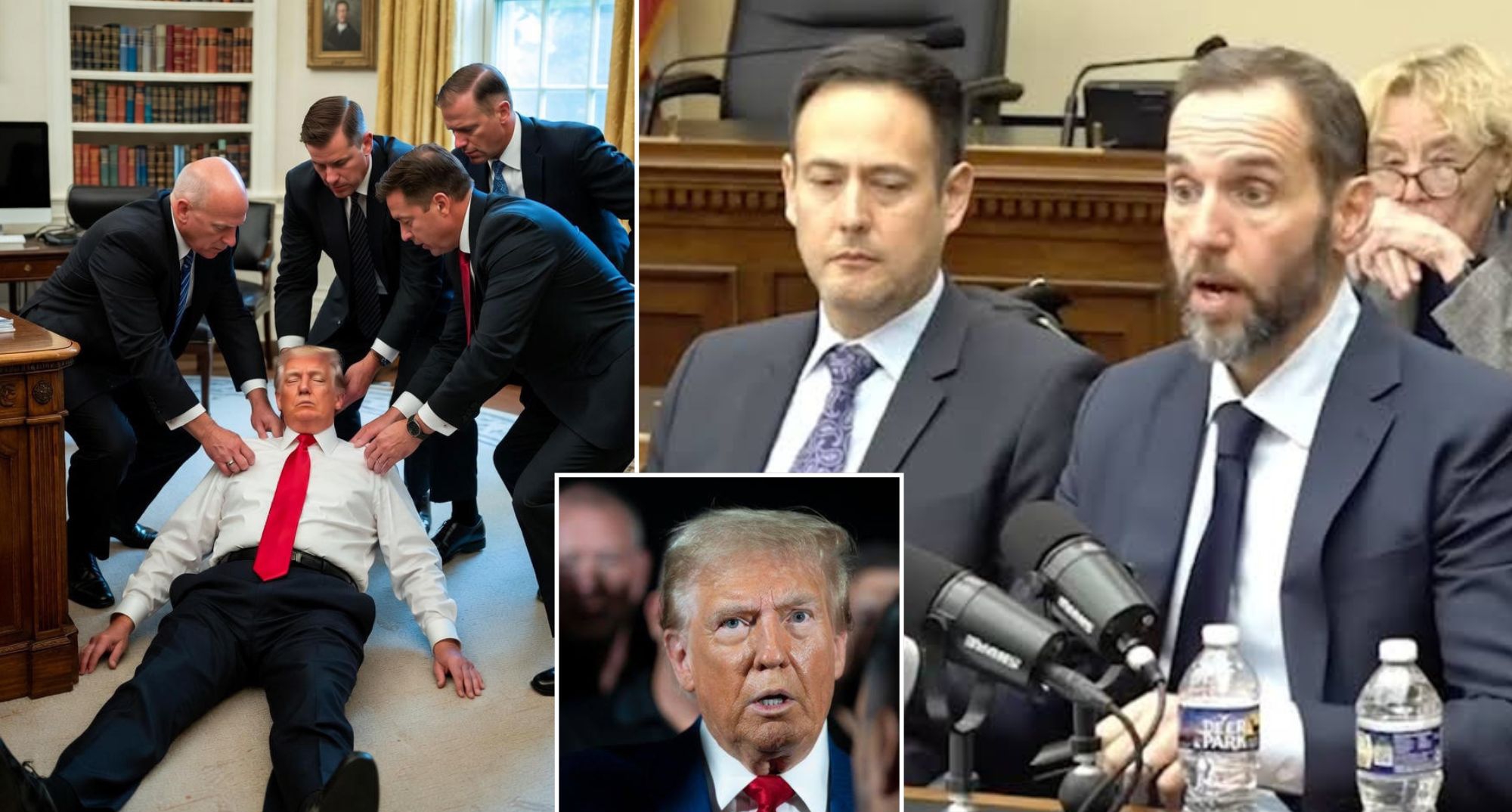
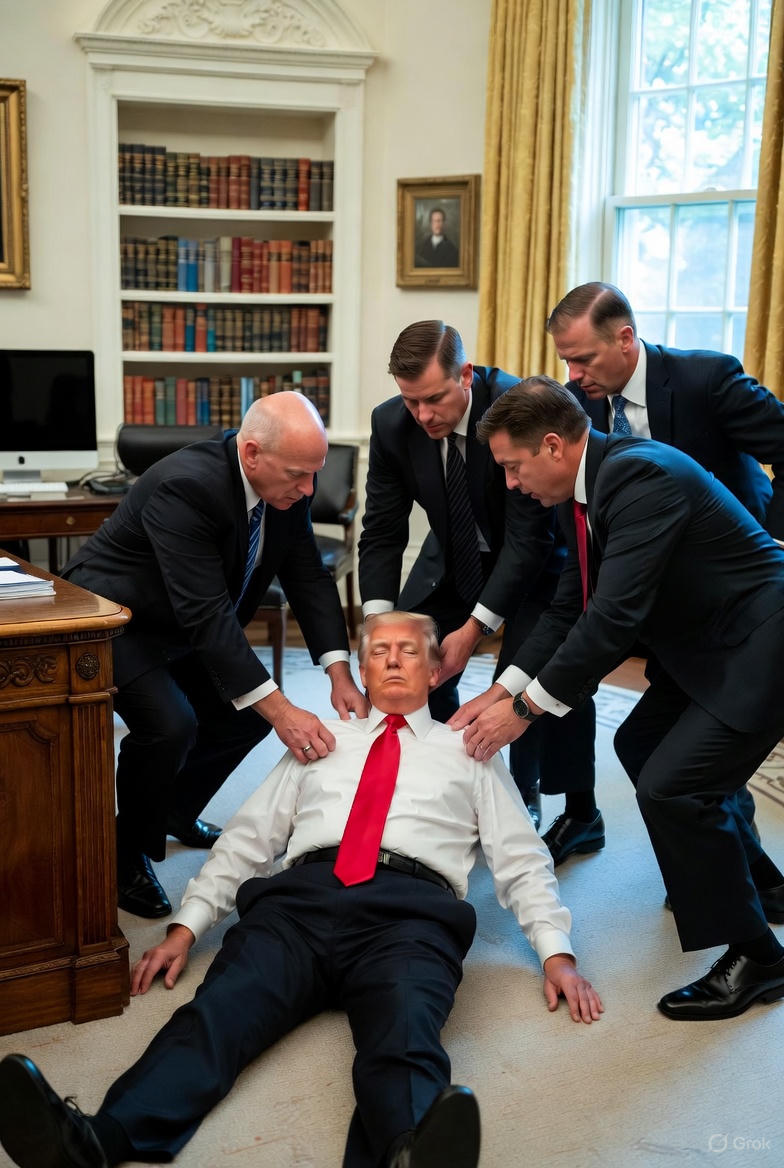
Trump “Faints” as Jack Smith Drops 255 Pages That Could Change Everything

As Americans rang in the New Year, a political firestorm quietly exploded online.
A 255-page transcript of Jack Smith’s House testimony surfaced, immediately reigniting controversy around Donald Trump’s legal exposure and the investigation into his actions surrounding the 2020 election.
The document, released on New Year’s Eve, pulled back the curtain on an investigation Republicans fought to keep private and revealed why Smith believed the case against Trump was not only justified, but overwhelming.
The testimony details how Smith and his team spent months examining evidence tied to Trump’s attempts to overturn the 2020 election results.
According to Smith, investigators followed the facts wherever they led, assembling a case built on witness statements, internal communications, and documented actions taken in the weeks leading up to January 6.
The transcript makes clear that the investigation was not speculative or politically motivated, but rooted in what Smith described as clear violations of federal law.
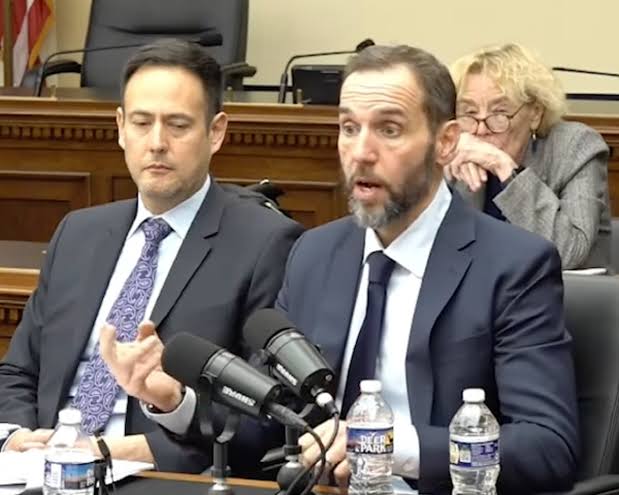
Smith stated that the evidence showed Trump knowingly pushed false claims about election fraud, pressured state officials, and played a central role in a broader effort to disrupt the lawful transfer of power.
The testimony paints a picture of deliberate action rather than confusion or misjudgment, undercutting arguments that Trump was simply exercising free speech or acting on bad advice. Smith emphasized that no individual, including a former president, is above the law, and that the scale of the conduct demanded accountability.
The document also revisits the classified documents investigation, outlining how Trump retained sensitive materials after leaving office and obstructed efforts to retrieve them. Smith explained that investigators found repeated instances where Trump was warned about the legal consequences, yet continued to withhold documents and mislead authorities. According to the testimony, this pattern of behavior further reinforced the decision to pursue charges.
One of the most striking aspects of the transcript is Smith’s assertion that the evidence met the standard required for conviction. He stated plainly that had Trump not regained the presidency, the cases would have moved forward and likely ended with guilty verdicts.
That statement alone has fueled outrage among Trump supporters and renewed concern among critics who argue that accountability was narrowly avoided due to long-standing Justice Department policy barring prosecution of a sitting president.
Republicans involved in the closed-door proceedings had pushed to keep Smith’s testimony sealed, arguing that public release would damage trust in the justice system. Smith, however, requested that his testimony be made public, saying transparency was essential given the seriousness of the allegations.
The release of the transcript appears to validate why those doors remained shut for so long, as the content directly contradicts claims that the investigation was baseless or politically driven.
As the document spread online, attention quickly turned to Trump’s public behavior and statements in the aftermath. Questions arose about whether sudden health concerns and dramatic moments were being used to shift focus away from the damaging revelations contained in Smith’s testimony. While Trump has continued to deny wrongdoing and dismiss the investigation as a witch hunt, the details laid out in the transcript have made that defense harder to sustain for many observers.
What has shocked Americans most is not only the depth of the evidence or the clarity with which Smith connects Trump to efforts to undermine the election, but the broader implications for the future.
The testimony hints at ongoing political ambitions and strategies that extend well beyond 2024, raising fresh alarms about what comes next and whether the country has fully reckoned with what happened after the last election.
As the dust settles, one thing is clear: the release of Jack Smith’s testimony has reopened a chapter many believed was closed. And with its final pages raising more questions than answers, the full impact of those 255 pages may only just be beginning.








10 MINUTES AGO: Washington in Panic as President Donald Trump Shot Again While Exiting the White House and Urgently Rushed to the Hospital – Is This a Stunt to Distract from the Epstein Files? Here Are the Full Details

Furious Rep Melanie Stansbury Takes a Bold Move against Trump and his Associates in the Epstein Files after her recent interview, but she might not be safe after this move

BREAKING: Bad Bunny Files Stunning $500 Million Lawsuit Against Donald Trump, Claiming The President’s Super Bowl LX Halftime Remarks Were Made With “Actual Malice” and it’s Causing Severe Reputation Damage

Travis Kelce and Taylor Swift Turn Heads After Appearing at NFL Honors, and Fans Can’t Stop Talking About Taylor’s Unusually Elegant Silver Mini Dress… See Photos

Travis Kelce admitted to cheating on fiance Taylor Swift’s because…

Taylor Swift calls off engagement and wedding plans with Ex Travis Kelce and reveals one shocking reason why

“Why am I being dragged into this?”: Travis Kelce frustrated as Taylor Swift parents stops him from getting married to their daughter because of Austin

“Travis Has Crossed the Line” — Taylor Swift Breaks Her Silence and Reveals What Travis Kelce Did That She Says She Will Never Forgive

Taylor Swift Announces Her Mom and Dad Are Divorcing, Then Says “Travis and I Are No…” — Full Details

Taylor Swift Secretly Bought the Kansas City Chiefs for $14 Billion — Sources Say She Did It to “Protect Travis’s Legacy”

JUST IN: House Democrats are said to be only five votes short of moving forward with Trump’s impeachment, as political pressure rises and a single vote could shift the outcome in Washington.
