
NEWS
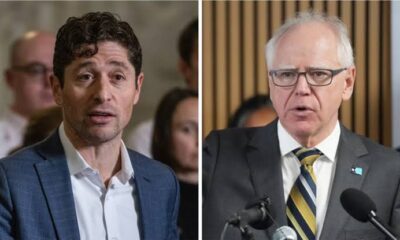
JUST IN: Minnesota Governor Tim Walz responds to Attorney General Pam Bondi’s letter – “There’s 2 million documents in the Epstein files we’re still waiting on. Go ahead and work on those.”

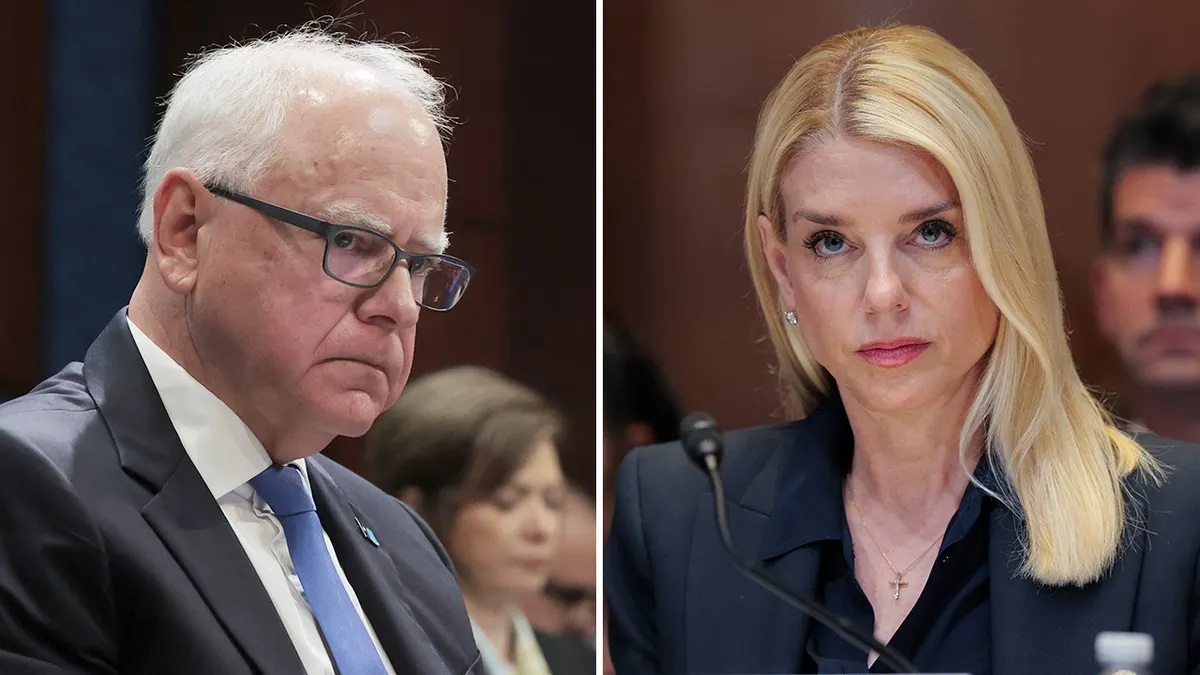
Minnesota Governor Tim Walz responds to Attorney General Pam Bondi’s letter “There’s 2 million documents in the Epstein files we’re still waiting on. Go ahead and work on those.”
A sharp and unexpected exchange between Minnesota Governor Tim Walz and U.S. Attorney General Pam Bondi has ignited a new national political firestorm, drawing attention far beyond the borders of Minnesota. What began as a formal letter from the Department of Justice quickly escalated into a public clash over authority, transparency, and priorities at the highest levels of government.
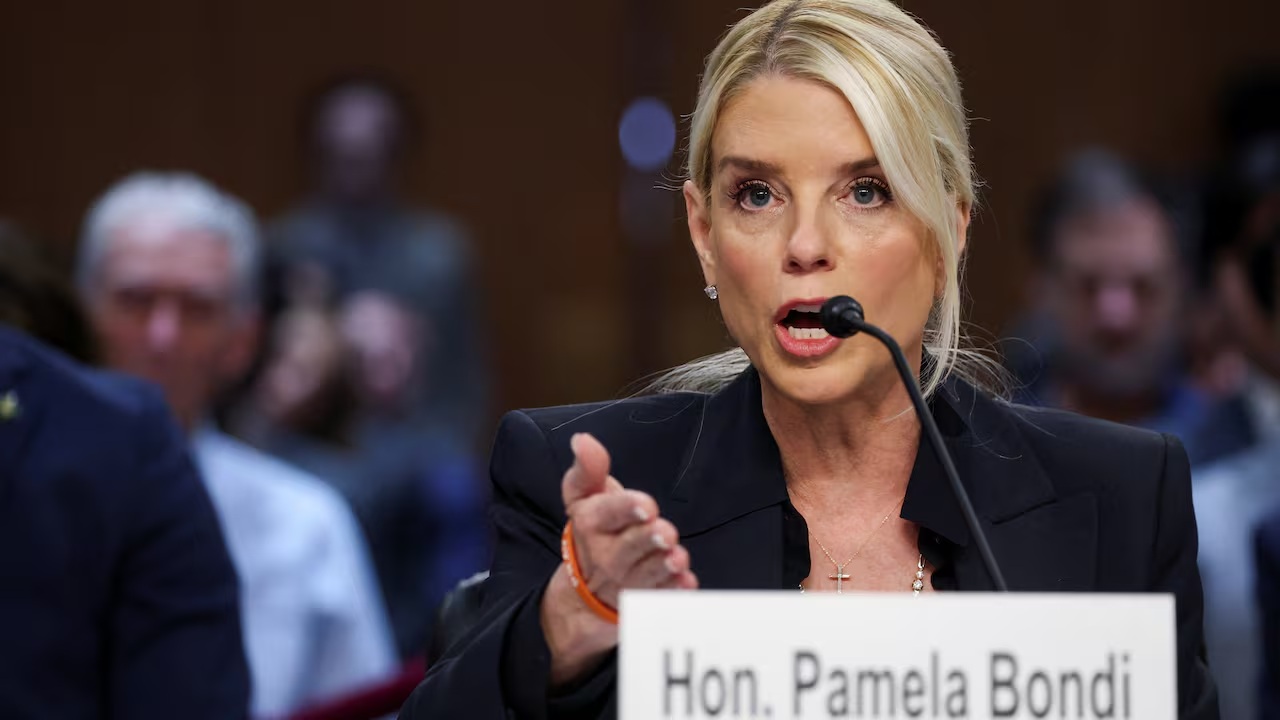
Pam Bondi’s lettPost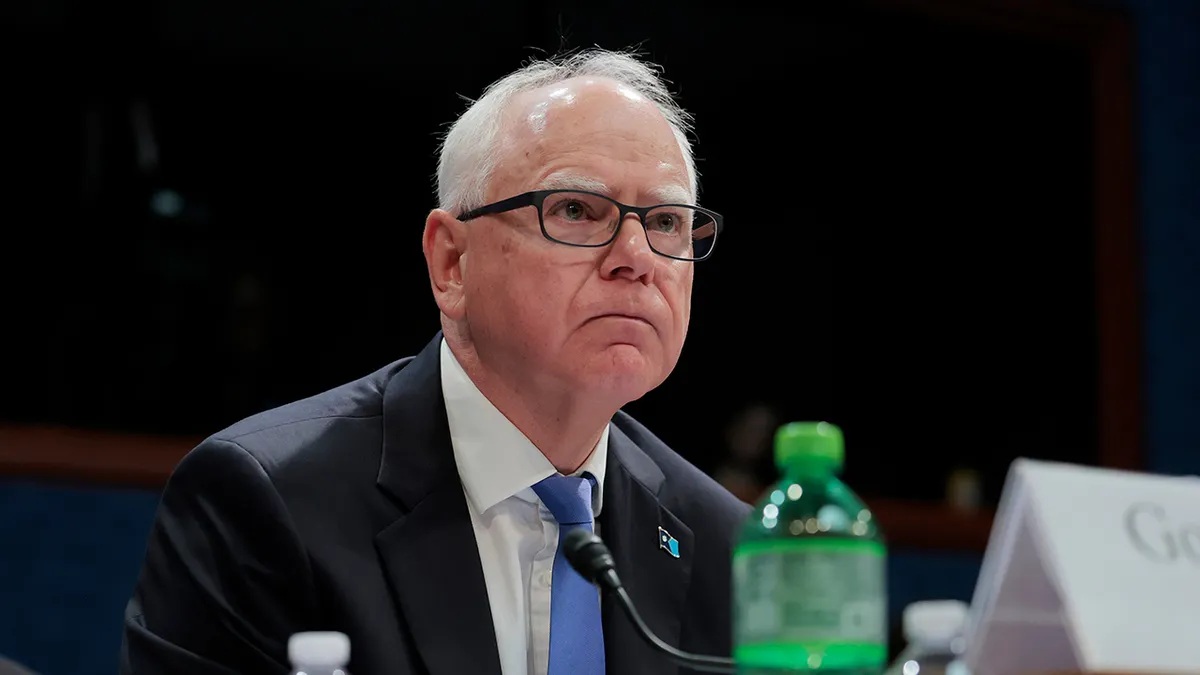 er to Governor Walz laid out a series of federal demands aimed squarely at Minnesota’s policies. Among them were calls for the state to hand over extensive voter registration records, provide detailed data related to public assistance programs, and align more closely with federal immigration enforcement efforts. The tone of the letter suggested urgency and framed the requests as necessary to ensure compliance with federal law and to support national security and election integrity.
Governor Walz’s response, however, made it clear he saw the letter not as a good faith request but as political pressure dressed in legal language. Speaking publicly, Walz rejected the demands and defended Minnesota’s existing cooperation with federal authorities, emphasizing that the state already works with law enforcement and complies with applicable laws without compromising the privacy and rights of its residents.
Then came the line that instantly captured national attention. Instead of limiting his response to legal arguments, Walz pointed directly at an unresolved issue hanging over the Department of Justice itself. He reminded Bondi and the public that millions of documents tied to the Jeffrey Epstein investigation remain unreleased, despite years of public demand and congressional pressure. “There’s 2 million documents in the Epstein files we’re still waiting on,” Walz said. “Go ahead and work on those.”
The comment struck a nerve because it tapped into widespread frustration over transparency. The Epstein case has long symbolized elite accountability delayed or denied, with many Americans across the political spectrum questioning why so much information remains hidden. By invoking those files, Walz reframed the dispute, suggesting the DOJ should focus on unfinished obligations that directly affect public trust rather than pressing states for sensitive data.
Minnesota officials echoed the governor’s position, particularly regarding voter records. State leaders argued that turning over unredacted voter rolls would violate privacy protections and could expose residents to misuse of personal information. Legal experts note that similar federal efforts in other states have faced serious legal challenges, with courts often siding with states on the issue of voter data control.
The clash also unfolds against a backdrop of heightened tension over federal enforcement actions in Minnesota. Recent operations and confrontations involving federal agents have sparked protests and criticism from state leaders, who argue that heavy handed tactics have undermined community trust and public safety rather than strengthened them. Walz has repeatedly called for restraint and cooperation rather than escalation.
Supporters of Bondi argue that the federal government has a responsibility to ensure uniform enforcement of laws nationwide and claim that resistance from states like Minnesota obstructs that mission. Critics counter that the DOJ’s approach reflects selective enforcement and political targeting, especially when paired with unresolved controversies like the Epstein files.
Walz’s response has now become a rallying point for those demanding accountability and transparency from Washington. His remarks transformed a bureaucratic dispute into a broader conversation about priorities, power, and credibility. While it remains unclear whether Bondi’s office will formally respond to the Epstein comment, the message landed loudly.
For now, one thing is certain. What could have remained a routine exchange between a governor and the Department of Justice has instead turned into a national moment, exposing unresolved questions about trust in institutions and reminding the public that some of the most consequential files in the country are still waiting to be opened.











10 MINUTES AGO: Washington in Panic as President Donald Trump Shot Again While Exiting the White House and Urgently Rushed to the Hospital – Is This a Stunt to Distract from the Epstein Files? Here Are the Full Details

Furious Rep Melanie Stansbury Takes a Bold Move against Trump and his Associates in the Epstein Files after her recent interview, but she might not be safe after this move

BREAKING: Bad Bunny Files Stunning $500 Million Lawsuit Against Donald Trump, Claiming The President’s Super Bowl LX Halftime Remarks Were Made With “Actual Malice” and it’s Causing Severe Reputation Damage

Travis Kelce and Taylor Swift Turn Heads After Appearing at NFL Honors, and Fans Can’t Stop Talking About Taylor’s Unusually Elegant Silver Mini Dress… See Photos

Travis Kelce admitted to cheating on fiance Taylor Swift’s because…

Taylor Swift calls off engagement and wedding plans with Ex Travis Kelce and reveals one shocking reason why

“Why am I being dragged into this?”: Travis Kelce frustrated as Taylor Swift parents stops him from getting married to their daughter because of Austin

“Travis Has Crossed the Line” — Taylor Swift Breaks Her Silence and Reveals What Travis Kelce Did That She Says She Will Never Forgive

Taylor Swift Announces Her Mom and Dad Are Divorcing, Then Says “Travis and I Are No…” — Full Details

Taylor Swift Secretly Bought the Kansas City Chiefs for $14 Billion — Sources Say She Did It to “Protect Travis’s Legacy”

JUST IN: House Democrats are said to be only five votes short of moving forward with Trump’s impeachment, as political pressure rises and a single vote could shift the outcome in Washington.
