
NEWS
House Chaos Explodes After Mike Johnson Ends Obamacare Vote Early — One Vote, One Decision, and a Move That Triggered a Stunning No-Confidence Threat

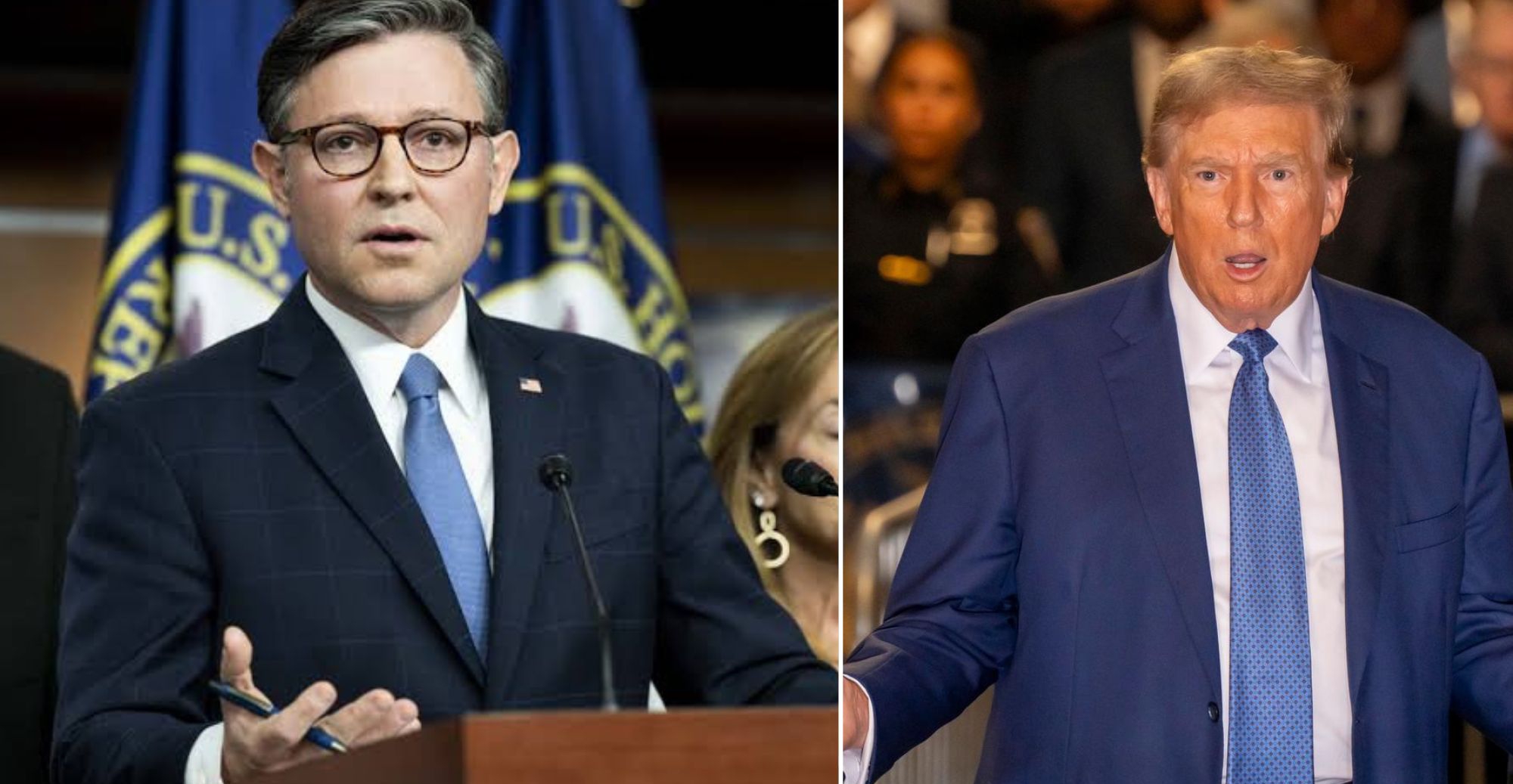
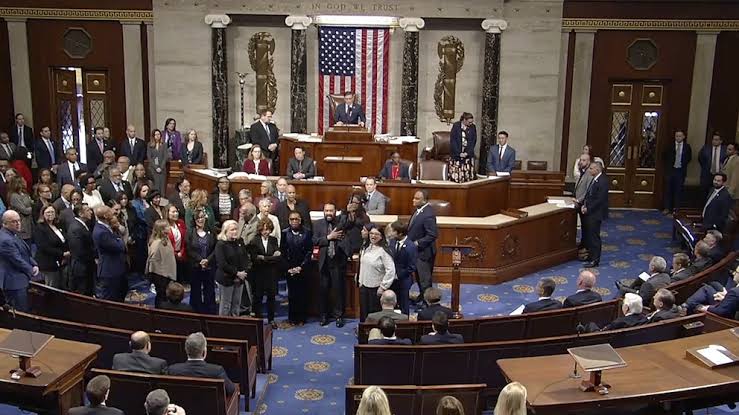
The House floor descended into open chaos after Speaker Mike Johnson abruptly shut down a critical discharge petition vote on Obamacare subsidies — a move that stunned lawmakers, enraged Democrats, and left millions of Americans watching in disbelief. The vote was ended before all Democrats were able to cast their ballots, and when the dust settled, the measure failed by a single vote. One vote. That razor-thin margin instantly turned a procedural decision into a national controversy with life-or-death implications.
Democrats erupted almost immediately. Voices rose, members clustered together, and the chamber became a scene of confusion and fury as lawmakers argued that they had been denied the chance to represent constituents who rely on affordable healthcare to survive. For them, this wasn’t politics as usual. This was about insulin prices, cancer treatments, chronic illnesses, and families already stretched to the breaking point. Shutting down the vote early, they argued, wasn’t just unfair — it was dangerous.
As footage spread and reactions poured in, one question echoed across social media, cable news, and Capitol Hill itself: how is the Speaker allowed to end a vote before every member has voted? Critics said the move struck at the heart of democratic process, suggesting that procedure had been weaponized to control outcomes rather than reflect the will of elected representatives. Supporters of the vote claimed it was a calculated maneuver designed to avoid political fallout rather than an innocent enforcement of House rules.
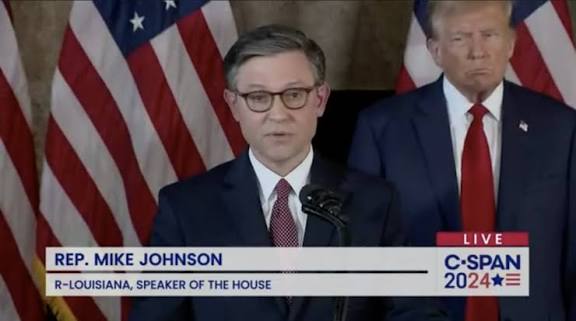
The outrage only intensified when the motivation behind the decision came into focus. Democrats accused Johnson of acting to shield the White House from a political storm, arguing that leadership interference crossed an ethical line. “You can’t manipulate a vote to prevent embarrassment,” one lawmaker fumed privately. Yet as the accusations mounted, the ethics committee remained silent, absent from a moment many believed demanded immediate scrutiny.
That silence quickly became its own scandal. Lawmakers openly questioned whether political pressure — and Trump’s ongoing grip on the party — had paralyzed accountability mechanisms meant to protect the integrity of Congress. The absence of any formal response only deepened suspicions that rules were being bent, not enforced.
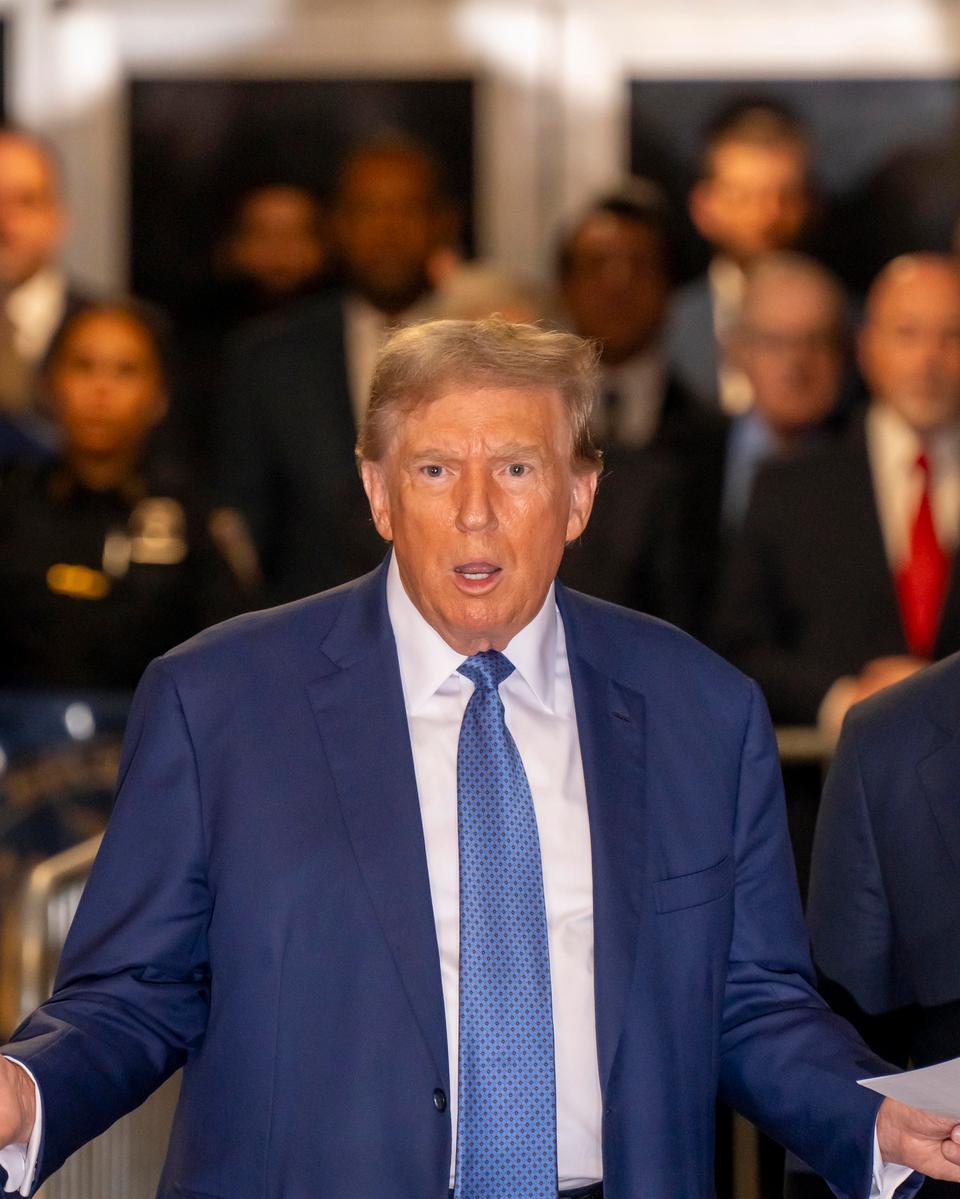
Then came Trump’s response, and it poured gasoline on an already raging fire. Asked about the consequences of millions potentially losing healthcare access, Trump dismissed the concern with a remark that stunned critics: “You make it sound so bad.” To Democrats and healthcare advocates, the comment felt cold, detached, and revealing. In their view, it underscored exactly why the vote mattered — and why shutting it down early was so explosive.
Inside the House, tensions reached a breaking point. Lawmakers whispered, argued, and huddled in corners as leadership struggled to regain control of the floor. What began as a procedural dispute was rapidly transforming into a leadership crisis. Members who rarely defied party leadership began to speak openly about accountability, trust, and whether the Speaker still had the authority to lead.
That’s when the moment nobody saw coming happened.
One unexpected lawmaker stepped forward and introduced a vote of “No Confidence” against Mike Johnson. The chamber froze. It was a political shockwave — a sign that frustration had spilled beyond rhetoric and into direct action. The move sent a clear message: this was no longer just about healthcare policy. It was about power, process, and whether the Speaker had crossed a line that could not be ignored.
The introduction of the no-confidence threat forced Trump himself to intervene behind the scenes, according to multiple accounts. Allies scrambled. Calls were made. Damage control went into overdrive. Leadership realized that what had started as a quiet procedural shortcut had ignited a full-blown crisis that could destabilize the House.
For millions of Americans watching from home, the message was chillingly simple. Decisions made in seconds inside the chamber can ripple outward, affecting healthcare access, financial survival, and trust in democracy itself. The failed vote wasn’t just about Obamacare subsidies — it became a symbol of how fragile the system can feel when rules appear flexible for those in power.
As the House attempts to move forward, questions remain unanswered. Was the vote shut down legally, or merely conveniently? Will the ethics committee finally step in, or stay silent? And perhaps most unsettling of all — if one vote can change everything, what happens the next time the clock runs out before the voices are counted?
Because what happened after that no-confidence move may be just the beginning.








10 MINUTES AGO: Washington in Panic as President Donald Trump Shot Again While Exiting the White House and Urgently Rushed to the Hospital – Is This a Stunt to Distract from the Epstein Files? Here Are the Full Details

Furious Rep Melanie Stansbury Takes a Bold Move against Trump and his Associates in the Epstein Files after her recent interview, but she might not be safe after this move

BREAKING: Bad Bunny Files Stunning $500 Million Lawsuit Against Donald Trump, Claiming The President’s Super Bowl LX Halftime Remarks Were Made With “Actual Malice” and it’s Causing Severe Reputation Damage

Travis Kelce and Taylor Swift Turn Heads After Appearing at NFL Honors, and Fans Can’t Stop Talking About Taylor’s Unusually Elegant Silver Mini Dress… See Photos

Travis Kelce admitted to cheating on fiance Taylor Swift’s because…

Taylor Swift calls off engagement and wedding plans with Ex Travis Kelce and reveals one shocking reason why

“Why am I being dragged into this?”: Travis Kelce frustrated as Taylor Swift parents stops him from getting married to their daughter because of Austin

“Travis Has Crossed the Line” — Taylor Swift Breaks Her Silence and Reveals What Travis Kelce Did That She Says She Will Never Forgive

Taylor Swift Announces Her Mom and Dad Are Divorcing, Then Says “Travis and I Are No…” — Full Details

Taylor Swift Secretly Bought the Kansas City Chiefs for $14 Billion — Sources Say She Did It to “Protect Travis’s Legacy”

JUST IN: House Democrats are said to be only five votes short of moving forward with Trump’s impeachment, as political pressure rises and a single vote could shift the outcome in Washington.
