
NEWS
BREAKING: House Oversight Democrats CRUSH Trump as They Release 20 New Photos from the Epstein Estate

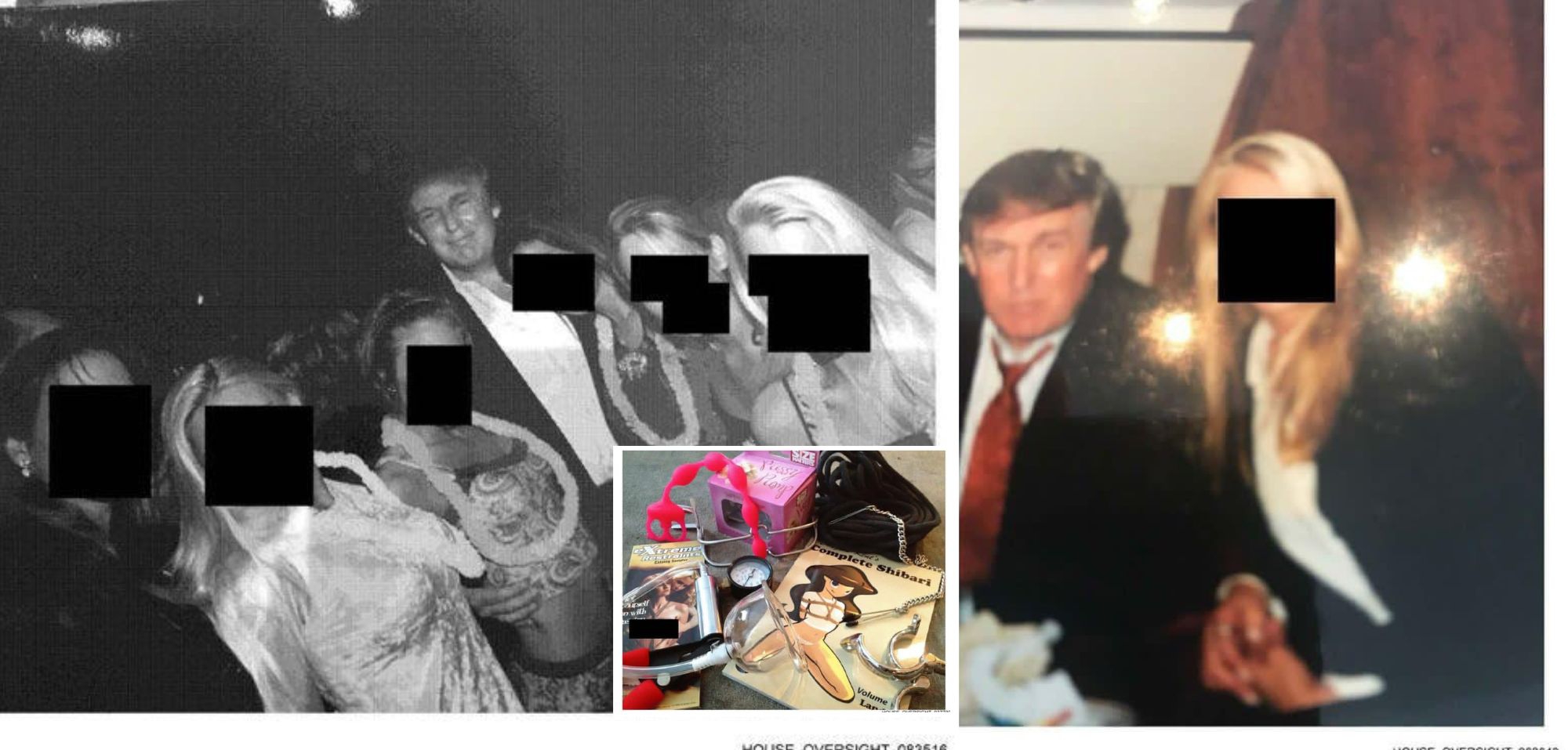
The political world was shaken today as Democrats on the House Oversight Committee unveiled a new batch of twenty photos from the infamous Epstein Estate, a move that instantly triggered waves of reaction across Washington, the media, and social platforms worldwide. The release is only a tiny slice of a massive 95,000-image collection catalogued from the estate’s archives, but it was enough to send the public into a frenzy — not only because of who appeared in the images, but because of what else was in them.
For months, tensions have been rising between the committee and Donald Trump’s allies, with constant accusations, counter-accusations, and an intensifying fight over transparency surrounding the Epstein case. But this release marks one of the most aggressive blows yet. Democrats framed the drop as both an act of accountability and a direct response to what they describe as deliberate obstruction by Trump-aligned members of Congress. Within minutes of the announcement, the phrase “Oversight CRUSHES Trump” began trending organically, fueled by speculation, curiosity, and political chaos.
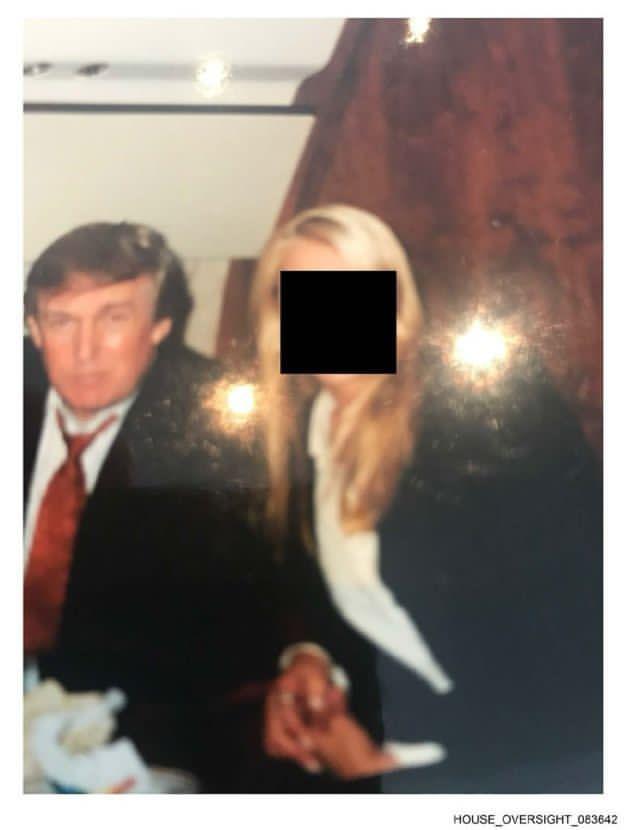
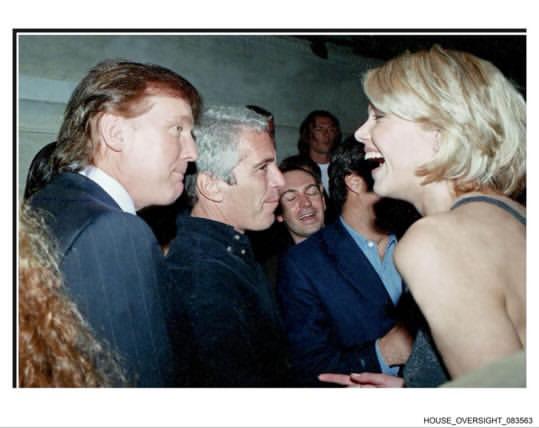
The newly released photos, while not graphic, instantly drew attention for the familiar faces captured in them. Donald Trump appears in several, sometimes in casual settings and other times in moments that look like private social gatherings. Alongside him are Steve Bannon, Bill Gates, Bill Clinton, and Larry Summers — five names that have hovered over the Epstein saga for years. The committee was careful to state that these images do not, on their own, establish criminal involvement by any of the individuals pictured. But what they do reveal is a deeper connection and proximity between several powerful figures and Jeffrey Epstein’s world than many previously acknowledged.
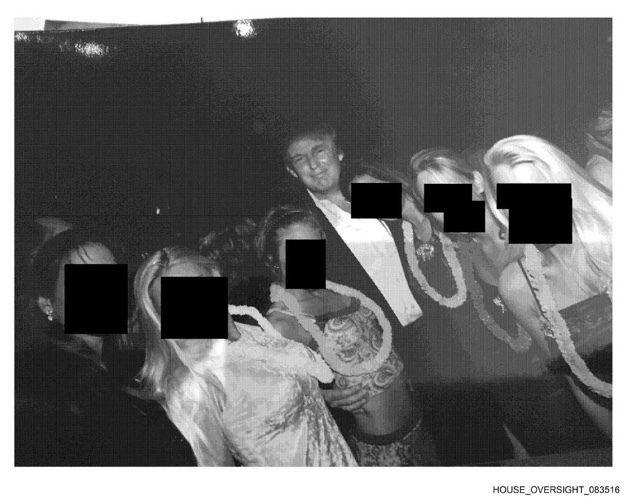
Political observers noted that the timing of the release was not accidental. Congress is locked in an intense season of hearings and investigations, and the Oversight Committee’s decision to publish the twenty images now, instead of waiting for the full release of materials, appeared to be a strategic calculation. It forced the issue back into national focus and put Trump’s circle directly in the spotlight at a moment when they are already battling legal, political, and public pressure.
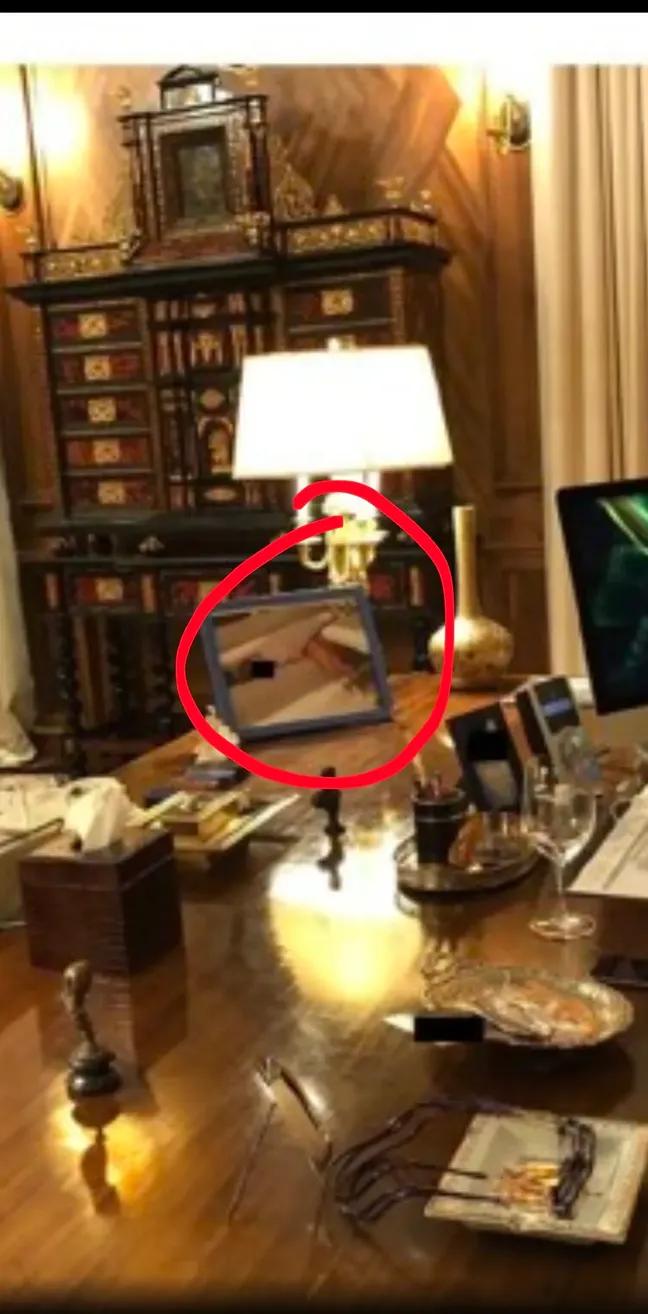
But the biggest spark didn’t come from the familiar faces. Instead, what set the internet ablaze were the final two photos in the batch — images not of people, but of items recovered from the estate that investigators classified as tied to the victims. These two images, kept discreet and blurred in the official release to avoid violating federal protections, were described in the committee’s statement as “deeply disturbing evidence connected to the exploitation that occurred.” Though the public did not see the unedited versions, the descriptions alone were enough to shift the tone of the national conversation from political drama to moral shock.
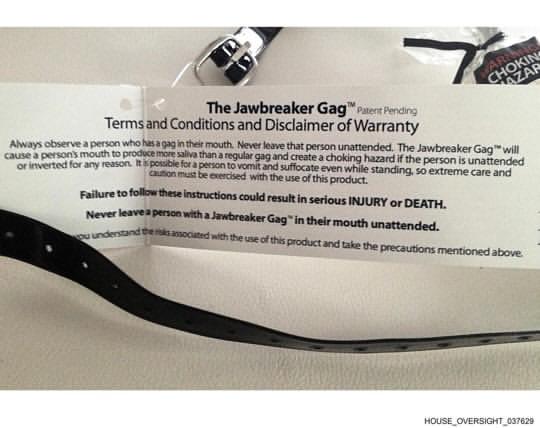
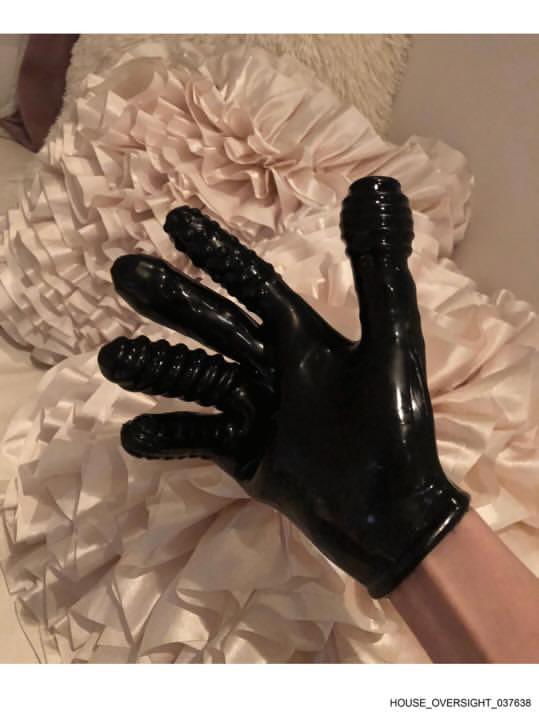
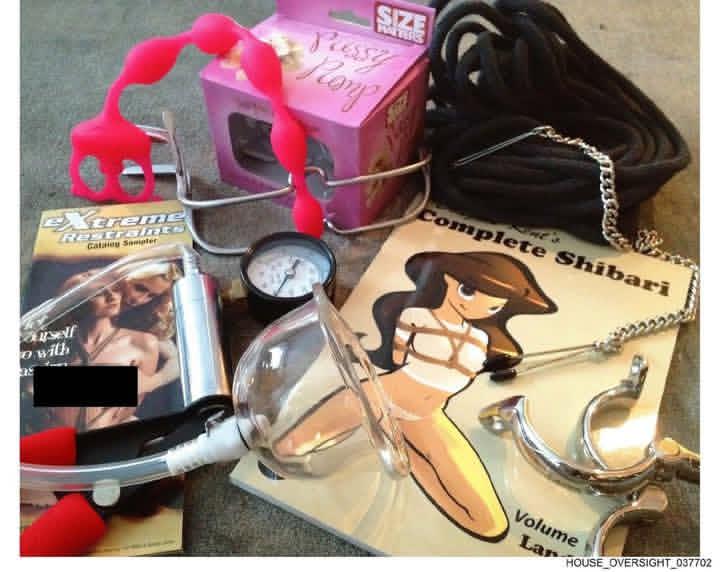
In hours, hashtags erupted. Commentators on both sides scrambled to frame the meaning of these items. Some on the left demanded full exposure of every individual who appeared anywhere in Epstein’s orbit. Some on the right claimed the timing was suspicious, arguing that the committee was weaponizing the tragedy for political gain. Yet beyond the debate, one thing was clear: the disturbing nature of those two images overshadowed everything else.
The committee emphasized that these twenty photos are “not even a fraction” of what is coming. According to a spokesperson, the full cache includes nearly 95,000 images, most of which are still under legal review. What is released now, they said, is intended to “break the pattern of secrecy and end years of gatekeeping around Epstein’s documentation.” That statement alone was enough to raise the stakes, because if twenty images created this level of impact, the prospect of thousands more carries implications Washington is not ready for.
Trump’s team reacted within the hour, dismissing the release as a coordinated political ambush meant to smear the former president and deflect from what they claim are the administration’s failures. But the pushback didn’t land with the force they hoped. The imagery — and especially the mention of the two victim-linked items — had already consumed the national conversation. Even media outlets normally friendly to Trump acknowledged that the photos were impossible to ignore.
Behind the scenes, officials familiar with the review process described the larger archive as “overwhelming.” They said the volume of material, the number of people featured, and the sensitive nature of the items discovered make this one of the most complex evidence evaluations in modern political memory. And with the Oversight Committee promising further releases in phases, the pressure is mounting on everyone connected to the estate — politically, socially, and personally.
Tonight, questions hang over Washington like a storm cloud. What else is in the remaining 94,980 photos? How many other public figures appear? Which items will force new investigations? And what happens once the full archive becomes public record? No one knows yet — and that uncertainty is driving the frenzy even harder.
For now, the twenty images have done exactly what the Oversight Committee intended: they have reopened one of the darkest chapters in modern political scandals, pulled several of the world’s most powerful names back under scrutiny, and ignited a wave of outrage centered on the victims whose suffering has too often been overshadowed by the names of the men involved.
What the next release contains could change everything. And judging from the reaction tonight, the country is bracing for impact.








10 MINUTES AGO: Washington in Panic as President Donald Trump Shot Again While Exiting the White House and Urgently Rushed to the Hospital – Is This a Stunt to Distract from the Epstein Files? Here Are the Full Details

Furious Rep Melanie Stansbury Takes a Bold Move against Trump and his Associates in the Epstein Files after her recent interview, but she might not be safe after this move

BREAKING: Bad Bunny Files Stunning $500 Million Lawsuit Against Donald Trump, Claiming The President’s Super Bowl LX Halftime Remarks Were Made With “Actual Malice” and it’s Causing Severe Reputation Damage

Travis Kelce and Taylor Swift Turn Heads After Appearing at NFL Honors, and Fans Can’t Stop Talking About Taylor’s Unusually Elegant Silver Mini Dress… See Photos

Travis Kelce admitted to cheating on fiance Taylor Swift’s because…

Taylor Swift calls off engagement and wedding plans with Ex Travis Kelce and reveals one shocking reason why

“Why am I being dragged into this?”: Travis Kelce frustrated as Taylor Swift parents stops him from getting married to their daughter because of Austin

“Travis Has Crossed the Line” — Taylor Swift Breaks Her Silence and Reveals What Travis Kelce Did That She Says She Will Never Forgive

Taylor Swift Announces Her Mom and Dad Are Divorcing, Then Says “Travis and I Are No…” — Full Details

Taylor Swift Secretly Bought the Kansas City Chiefs for $14 Billion — Sources Say She Did It to “Protect Travis’s Legacy”

JUST IN: House Democrats are said to be only five votes short of moving forward with Trump’s impeachment, as political pressure rises and a single vote could shift the outcome in Washington.
