
NEWS
An Explosive FBI Tip Linking Donald Trump and Jeffrey Epstein Resurfaces as Death Records, Timelines, and Witness Claims Begin to Align

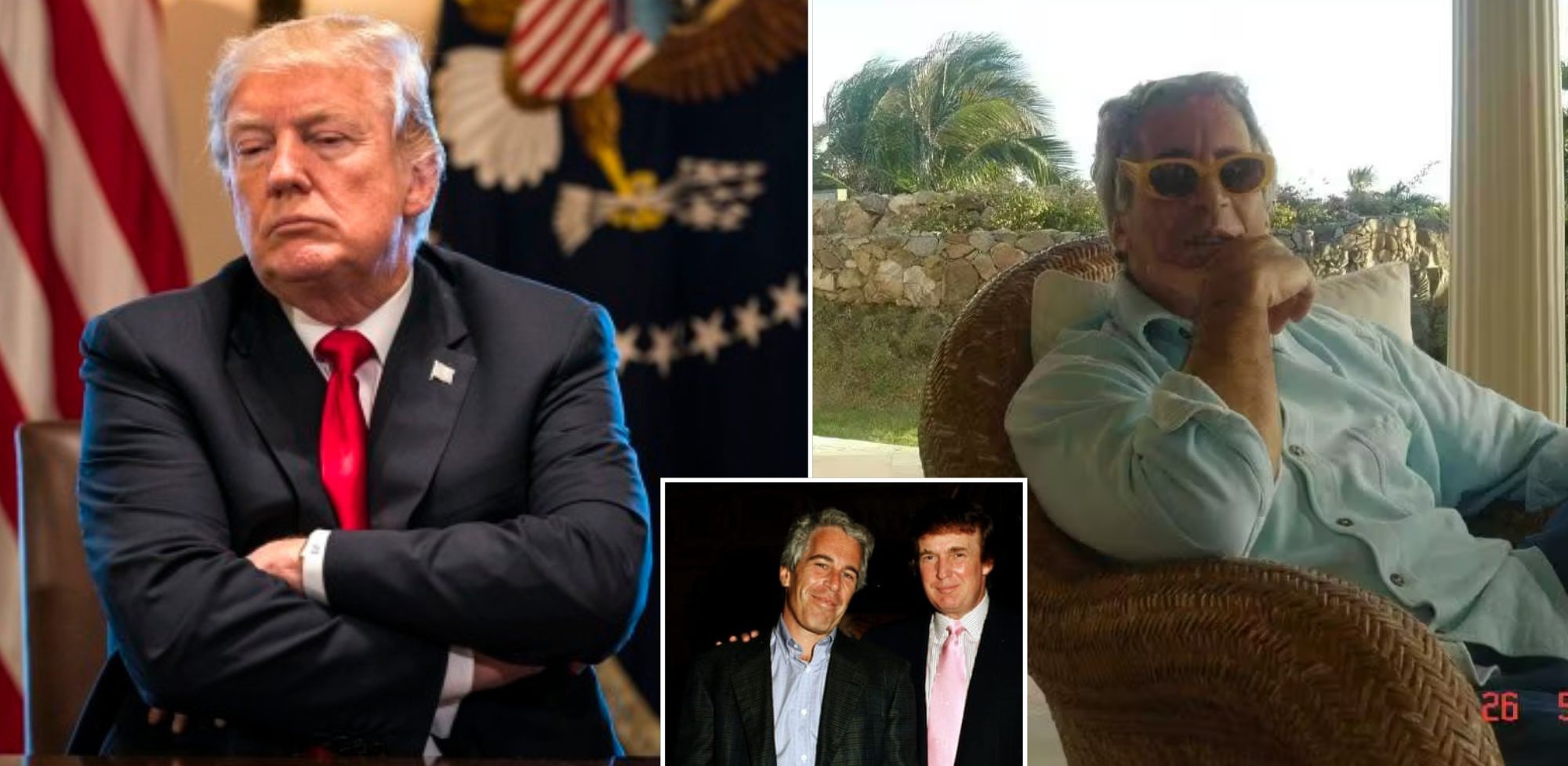
Trouble just got a lot worse for Donald Trump after explosive claims contained in an FBI tip involving Trump and Jeffrey Epstein resurfaced, drawing renewed attention from investigators, journalists, and the public alike.
What had once been dismissed as an unverified submission has returned to the spotlight following a local newspaper’s discovery of death records that appear to closely match key details referenced in the tip.
The FBI tip, which remains unproven, alleges that a woman confided in a limousine driver that she had been sexually assaulted by Donald Trump and Jeffrey Epstein around Christmas in 1999.
According to the submission, the woman later died in Oklahoma not long after making those claims.
Publicly available records show that a 19-year-old woman named Dusti Rhea Duke died by suicide from a gunshot wound on January 10, 2000 — a date and location that have intensified scrutiny of the original tip.
The submission was reportedly made by a limo driver who claimed to have driven Trump in the Dallas–Fort Worth area in the mid-1990s.
In the tip, the driver described a conversation that allegedly took place years earlier, one that remained buried until Epstein-related materials began circulating more widely within federal files.
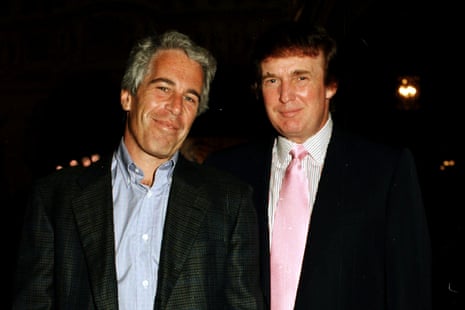
At the time, the claim drew little attention, largely because it lacked corroboration and emerged among thousands of other submissions.
Federal officials have repeatedly cautioned that tips connected to the Epstein files vary widely in credibility.
The Department of Justice has warned that some may be incomplete, exaggerated, false, or even politically motivated.
That warning has been used to temper public reaction and discourage conclusions based solely on unverified claims. Still, the resurfacing of matching records has complicated efforts to dismiss the tip outright.
What has changed is not a sudden confirmation, but context. As journalists revisited the submission, timelines that once seemed vague now appear more specific.
Dates, locations, and personal details referenced in the tip no longer exist in isolation. Instead, they sit alongside documented records that raise difficult questions about how much was known, when it was known, and why it faded from view for so long.
This development comes amid broader scrutiny of Epstein’s network and the powerful figures who crossed paths with him over decades. Each new disclosure has intensified pressure on institutions accused of failing to act earlier, failing to connect dots, or failing to take allegations seriously.
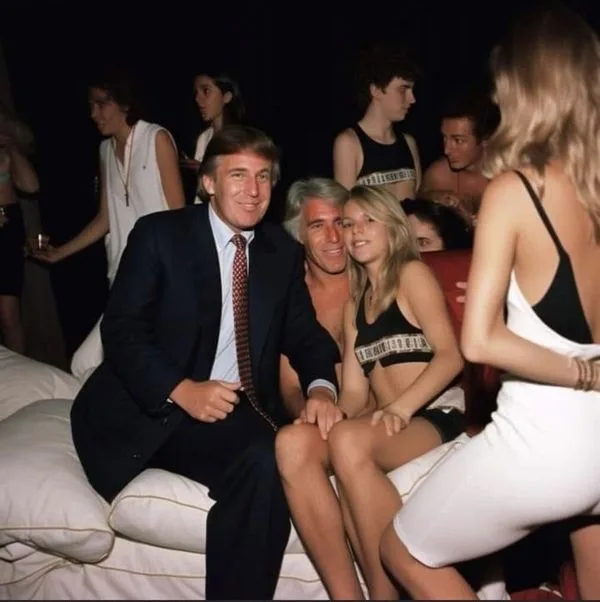
In that environment, even long-ignored tips are being re-examined with fresh urgency.
For Trump, the renewed attention adds to an already volatile landscape. While no charges stem from the tip, and no findings have been formally announced, the political and reputational stakes are significant.
Allies argue the claims are recycled accusations revived for effect, while critics say the pattern of resurfacing evidence reflects a much deeper problem — one that was never fully addressed.
Investigators and journalists alike stress that allegations are not proof. Yet they also acknowledge that patterns matter, especially when multiple strands begin to converge after years of silence.
The Epstein case has shown how long information can remain buried before suddenly becoming relevant again, often triggered by unrelated disclosures or newly released records.
What makes this moment different is the sense that the re-examination is no longer casual. Sources familiar with ongoing reviews say more submissions are being quietly cross-checked against existing records.
Names that once appeared only once are beginning to appear again. And documents previously waved away as inconclusive are now being reconsidered in light of what is already known.
For now, there are no official conclusions, no indictments, and no final judgments. But the renewed focus signals that the story is far from over. What once looked like an isolated, unverifiable tip now sits inside a growing mosaic that investigators say cannot be ignored indefinitely.
And as timelines tighten, records continue to surface, and long-dormant files are quietly reopened, one thing has become clear: this chapter is not closing — it is opening. The question is no longer whether more will come out, but how much, how soon, and who will be caught in what follows next.













Taylor Swift and Travis Kelce Hold Hands Following Dinner Date Night in N.Y.C.

OMG!! Taylor Swift and Travis Kelce Finally Confirm That… See Full Details

Taylor Swift’s new song “Cleveland!” is a love letter to Travis Kelce… and a message to the haters!

Taylor Swift’s Sweetest Moment Steals the Spotlight as She Cheers for Husband Travis Kelce, Shouts “That’s My Husband,” Then Shares a Heartwarming Hug With Mama and Papa Kelce…See full video ⤵️

Taylor Swift’s Sweetest Postgame Moment Yet as She Runs Straight Into Husband Travis Kelce’s Arms After Chiefs-Colts Clash, Sharing a Hug and Celebrating Together on the Field after dramatic winner where Travis Scored a Touchdown .See full video … “

Kansas City Chiefs Announce They Will Cover Full Funeral Costs for Dillon, Isabella and 2-Year-Old Easton — Three Devoted Chiefs Fans Tragically Killed in Southeast Kansas House Fire 💔🏈 Details in the comment 👇

Taylor Swift Breaks NFL Protocol Again and Rushes to the Field to Celebrate, Hug, and Kiss Husband Travis Kelce After Chiefs’ Stunning 33–30 Overtime Win Over the Colts – Mom Andrea Swift Seen Chasing Her Daughter to Caution Her as Overexcited Taylor Couldn’t Hold Herself Back, While Patrick Mahomes Couldn’t Hold Back His Laughter… See the Full Never-Before-Seen Clip and Photos…

Taylor Swift Reveals Her Mom Is Facing Cancer Again: ‘I Give All of My Worry to Real Problems Now’

Travis Kelce Gives Fans a Glimpse Into His Family Vacation in St. Barts as Wife Taylor Swift Relaxes Under the Tent While He Shows Off His Unexpected Master-Chef Skills During a Fun-Filled Outdoor Cooking Moment..See the videos and photos

OMG!! Taylor Swift and Travis Kelce Finally Confirm That… See Full Details

“Taylor Swift went grocery shopping with Travis Kelce’s mom, Donna, and sister-in-law, Kylie. The pop star is already fitting right in with the family and is also looking like…See 10 Beautiful Photos
