
NEWS
Love him or hate him, Trump’s name won’t be forgotten. Will history call him great… or controversial?

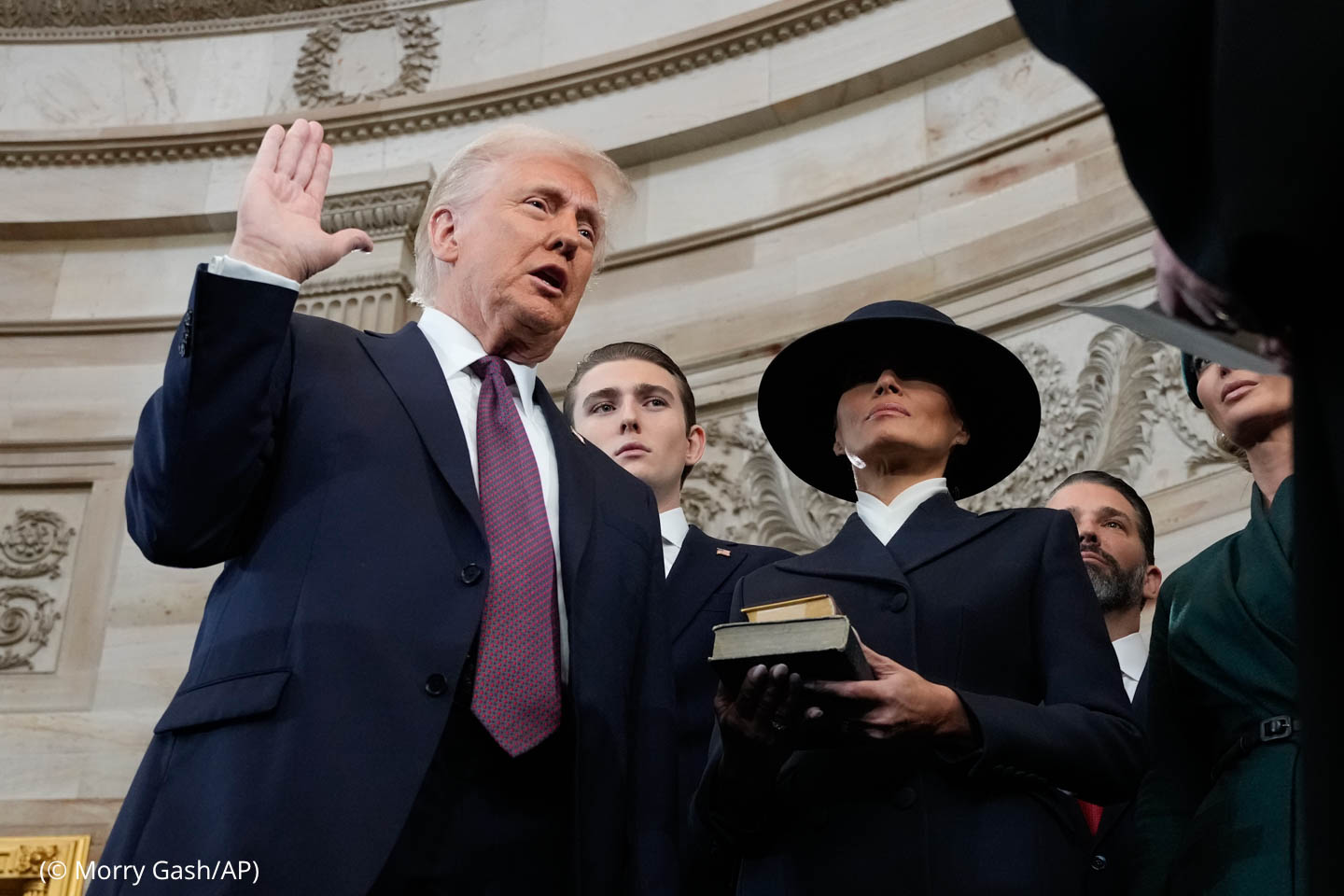
Donald J. Trump is one of those figures history never treats quietly. Long after the rallies fade, the headlines stop screaming, and the social media battles cool, his name will still provoke reactions—strong ones. Few presidents in American history have managed to divide the public so sharply while commanding so much attention at the same time. Whether admired as a disruptor or criticized as a destabilizing force, Trump reshaped politics in a way that ensures he will never be a footnote.
Trump did not rise through traditional political paths. He arrived as an outsider, openly dismissive of the norms that governed Washington for decades. To his supporters, this was precisely the appeal. He spoke bluntly, challenged elites, and positioned himself as a voice for voters who felt ignored by the political establishment. His presidency gave many Americans the sense that someone was finally fighting on their behalf, unafraid to offend, unafraid to break rules, and unwilling to apologize for it.
That approach redefined political communication. Trump blurred the line between governance and spectacle, turning press conferences, rallies, and social media posts into daily events that dominated the news cycle. Politics under Trump was no longer something that happened quietly behind closed doors; it was loud, confrontational, and constant. Even critics concede that he changed how power is performed in the modern media age, making attention itself a political weapon.
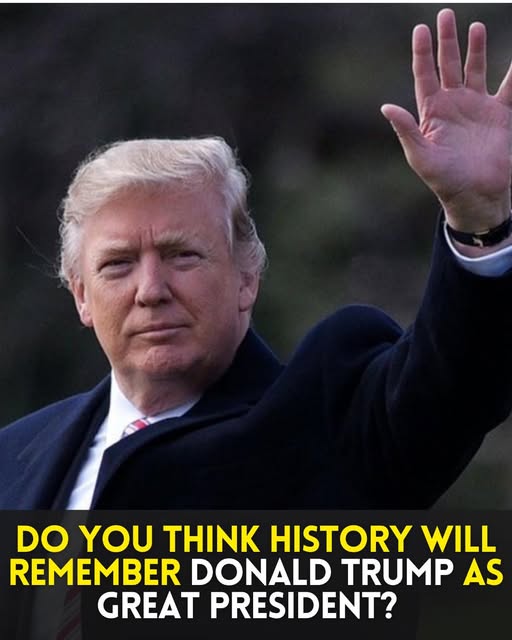
Policy-wise, Trump’s record will be debated for decades. Supporters point to tax cuts, a hardline stance on immigration, deregulation efforts, and an “America First” foreign policy that rejected long-standing assumptions about global leadership. They argue that he challenged unfair trade practices, pressured allies to contribute more, and refused to let the United States be taken advantage of on the world stage. For them, Trump represented strength, clarity, and national pride.
Opponents see the same actions very differently. To them, Trump’s presidency was marked by chaos, erosion of democratic norms, and deep social division. They argue that his rhetoric inflamed tensions, weakened trust in institutions, and normalized hostility in political discourse. Critics believe his leadership style prioritized personal loyalty over stability, and spectacle over unity, leaving lasting damage that future leaders would have to repair.
What makes Trump historically unique is not just what he did, but how intensely people felt about it. He inspired fierce loyalty and equally fierce opposition, often at the same time. Families argued, friendships fractured, and political identity became deeply personal. In many ways, Trump did not simply reflect America’s divisions—he amplified them, pulling underlying frustrations and cultural conflicts into the open.
History, however, is rarely written in the heat of the moment. Time tends to soften edges, reorder priorities, and reveal consequences that were not immediately visible. Presidents once condemned have later been reassessed; others once praised have seen their reputations decline. Trump’s legacy will likely follow the same path of reevaluation, shaped by what comes after him as much as by what happened during his time in power.
Future historians will ask difficult questions. Did Trump permanently change the Republican Party, or was he a singular moment driven by unique circumstances? Did he weaken democratic institutions, or expose flaws that were already there? Did he represent a warning sign, or a turning point that forced the country to confront realities it had long avoided? The answers will not be simple, and they will not be unanimous.
What is certain is this: Donald Trump made it impossible to be indifferent. He forced Americans to take sides, to argue, to reassess what they expected from their leaders. He challenged assumptions about decorum, truth, power, and accountability. Whether those challenges are ultimately judged as necessary disruptions or dangerous precedents will define how history remembers him.
So will history call Donald Trump great, or controversial? The most honest answer may be both. Great in impact, undeniable in influence, and controversial in methods and consequences. His name will live on in textbooks, debates, documentaries, and political strategy rooms—not as a quiet chapter, but as a loud, disruptive, and unforgettable era.









Taylor Swift Reveals Her Mom Is Facing Cancer Again: ‘I Give All of My Worry to Real Problems Now’

Travis Kelce Gives Fans a Glimpse Into His Family Vacation in St. Barts as Wife Taylor Swift Relaxes Under the Tent While He Shows Off His Unexpected Master-Chef Skills During a Fun-Filled Outdoor Cooking Moment..See the videos and photos

OMG!! Taylor Swift and Travis Kelce Finally Confirm That… See Full Details

“Taylor Swift went grocery shopping with Travis Kelce’s mom, Donna, and sister-in-law, Kylie. The pop star is already fitting right in with the family and is also looking like…See 10 Beautiful Photos

Taylor Swift and Travis Kelce Melt Hearts With a Sweet Garden Embrace and Playful Barefoot Dance, Giving Fans a Rare Glimpse Into Their Fun-Filled, Romantic Married Life as They Unwind Together Before the Kansas City Chiefs’ Big Game

TAYLOR SWIFT AND TRAVIS KELCE’S QUIET POST-GAME MOMENT MELTS HEARTS! After the NFL Game, the Couple Retreats to a Peaceful Private Setting, Sharing a Tender Kiss and Sweet Glances Through the Window as They Simply Enjoy Being Close to Each Other..

Looks Like His Wife Dresses Him’ — Fans Sense Taylor Swift in Travis Kelce’s Stylish Outfit for Chiefs Preseason Game 1

Taylor Swift and Brittany Mahomes plan to surprise their husbands and to support their game tonight…

NO LONGER THE RUMOR: Just one hour ago, Travis Kelce dropped the long-awaited announcement we’ve all been hoping for…

Travis Kelce flashes his wedding ring as he arrives for first Chiefs game tonight since marrying Taylor Swift… but his new wife is not spotted in the stands…

Travis Kelce Spotted on a Stroll With Wife Taylor Swift and a Baby Bump Just Weeks After Their Wedding, and Fans Are All Saying the Same Thing… See the Photos
