
NEWS
Trump Quietly Delays Key Tariff Hikes as Insiders Question the Real Reason Behind the Move

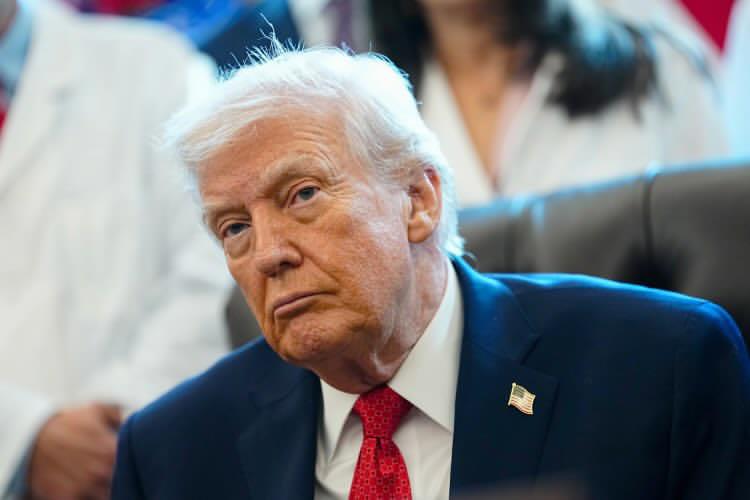
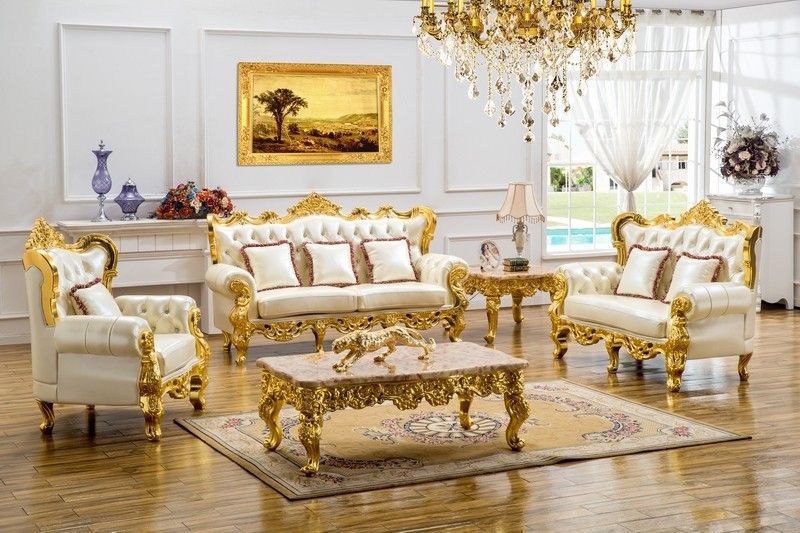
The White House confirmed that Donald Trump signed a proclamation on December 31, 2025, delaying planned tariff hikes on upholstered furniture and kitchen and bathroom cabinets for another year.
The decision came at a time when public frustration over high prices has been boiling over, with inflation-sensitive goods like furniture and home fittings hitting American households especially hard.
Officially, the move is being framed as a pause meant to ease pressure on consumers and allow markets to stabilize.
For months, tariff increases had been positioned as part of Trump’s aggressive trade posture, a continuation of his long-standing promise to confront foreign competitors and bring manufacturing back to the United States.
The delayed tariffs were expected to push prices even higher across the housing and home improvement sectors, an outcome that advisers reportedly warned could trigger a fresh wave of backlash. With voters already strained by costs at the checkout counter, the administration chose to step back—at least for now.

Yet the timing of the delay has raised eyebrows. Behind the scenes, Trump has been telling allies that his tariff strategy remains strong and that he still plans to wield trade pressure when it suits him. Publicly, he continues to boast about having a “great tariff plan,” even as critics argue that the plan itself remains vague and inconsistent.
Tariffs and trade deals are often spoken about interchangeably in his rhetoric, despite being fundamentally different tools with different economic consequences.
Adding another layer to the controversy, insiders have revealed that several Trump-owned buildings are in need of new furniture and interior upgrades. While there is no official connection between those needs and the delayed tariffs, the overlap has fueled quiet speculation in political and business circles.
Furniture imports, after all, are directly affected by the very tariffs that were just postponed. The coincidence has not gone unnoticed by critics who have long accused Trump of blurring the line between public policy and personal business interests.
Trump’s trade record continues to divide opinion. Supporters point to his tough talk and selective tariff threats as evidence of leverage, while opponents argue that his approach has cost the United States multiple trade opportunities.
Several negotiations stalled or collapsed during periods of tariff escalation, leaving exporters and manufacturers caught in the middle. Despite these outcomes, Trump insists that tariffs give him unmatched negotiating power, even when concrete results are difficult to point to.
Recently, Trump has also bragged about securing lower tariffs on certain goods in connection with golf resort projects abroad.
These claims have drawn scrutiny, particularly because they appear to benefit Trump-linked ventures more directly than the broader American economy.
Critics argue that this pattern reinforces concerns that tariff decisions are sometimes shaped by personal or political convenience rather than a coherent national strategy.
The administration’s decision to slow the pace of tariff escalation suggests a more cautious approach, at least temporarily. With elections looming and economic anxiety still high, even Trump appears aware that pushing prices higher could carry serious political costs.
Delaying the hikes allows the White House to claim responsiveness to public pressure while keeping the tariffs available as a future bargaining chip.
Still, the unanswered questions linger.
If public anger over prices was not the only factor, what else influenced the sudden change in course? Who inside Trump’s circle pushed hardest for the delay, and why did it happen quietly at the very end of the year? As more insiders speak and more details surface, the tariff delay is increasingly seen not as a simple economic adjustment, but as part of a much larger and more complicated story—one that may soon force a deeper reckoning over how these decisions are really being made.








Taylor Swift Reveals Her Mom Is Facing Cancer Again: ‘I Give All of My Worry to Real Problems Now’

Travis Kelce Gives Fans a Glimpse Into His Family Vacation in St. Barts as Wife Taylor Swift Relaxes Under the Tent While He Shows Off His Unexpected Master-Chef Skills During a Fun-Filled Outdoor Cooking Moment..See the videos and photos

OMG!! Taylor Swift and Travis Kelce Finally Confirm That… See Full Details

“Taylor Swift went grocery shopping with Travis Kelce’s mom, Donna, and sister-in-law, Kylie. The pop star is already fitting right in with the family and is also looking like…See 10 Beautiful Photos

Taylor Swift and Travis Kelce Melt Hearts With a Sweet Garden Embrace and Playful Barefoot Dance, Giving Fans a Rare Glimpse Into Their Fun-Filled, Romantic Married Life as They Unwind Together Before the Kansas City Chiefs’ Big Game

TAYLOR SWIFT AND TRAVIS KELCE’S QUIET POST-GAME MOMENT MELTS HEARTS! After the NFL Game, the Couple Retreats to a Peaceful Private Setting, Sharing a Tender Kiss and Sweet Glances Through the Window as They Simply Enjoy Being Close to Each Other..

Looks Like His Wife Dresses Him’ — Fans Sense Taylor Swift in Travis Kelce’s Stylish Outfit for Chiefs Preseason Game 1

Taylor Swift and Brittany Mahomes plan to surprise their husbands and to support their game tonight…

NO LONGER THE RUMOR: Just one hour ago, Travis Kelce dropped the long-awaited announcement we’ve all been hoping for…

Travis Kelce flashes his wedding ring as he arrives for first Chiefs game tonight since marrying Taylor Swift… but his new wife is not spotted in the stands…

Travis Kelce Spotted on a Stroll With Wife Taylor Swift and a Baby Bump Just Weeks After Their Wedding, and Fans Are All Saying the Same Thing… See the Photos
