
NEWS
Trump Orders All Foreign Tourists to Hand Over FIVE Years of Social Media and Email Data Ahead of the World Cup — A Move Critics Say Could CRUSH U.S. Tourism Already Down $29 Billion — And the Backlash Is Only Getting LOUDER as Reports Hint Something EVEN BIGGER Might Be Coming Next

The shockwaves began the moment the order leaked. According to officials close to the situation, the Trump administration has signed off on a sweeping new requirement that will affect every single foreign tourist stepping into the United States ahead of the World Cup. Visitors—no matter who they are, whether kings, celebrities, influencers, billionaires, or regular travelers—will now be required to submit five full years of their social media history and email data before being allowed entry into the country. The move, described by supporters as a bold national-security step, is already setting off an explosive cultural and economic storm.
Inside the travel industry, the reaction was immediate and furious. Many argue that this kind of invasive screening could deal a devastating blow to U.S. tourism, a sector already weakened by years of political turbulence and global uncertainty. Economists note that the country has already lost an estimated $29 billion in tourism revenue since Trump took office, and critics say this new requirement could push the industry even deeper into crisis. Hoteliers, travel agencies, and even international airlines are scrambling to understand how the new rules will work, while warning privately that travelers may simply choose other destinations rather than surrendering half a decade of online activity.
Diplomats across the world are also raising eyebrows. Several foreign governments are reportedly preparing formal objections, insisting that such a policy could be seen as disrespectful, intrusive, and even humiliating to visiting dignitaries. One European official was quoted as saying that even their highest-ranking leaders would now be treated like security suspects. While no government has publicly threatened retaliation, insiders suggest that discussions have already begun about whether similar requirements should be imposed on American citizens traveling abroad. The possibility of a global travel standoff is no longer unthinkable.
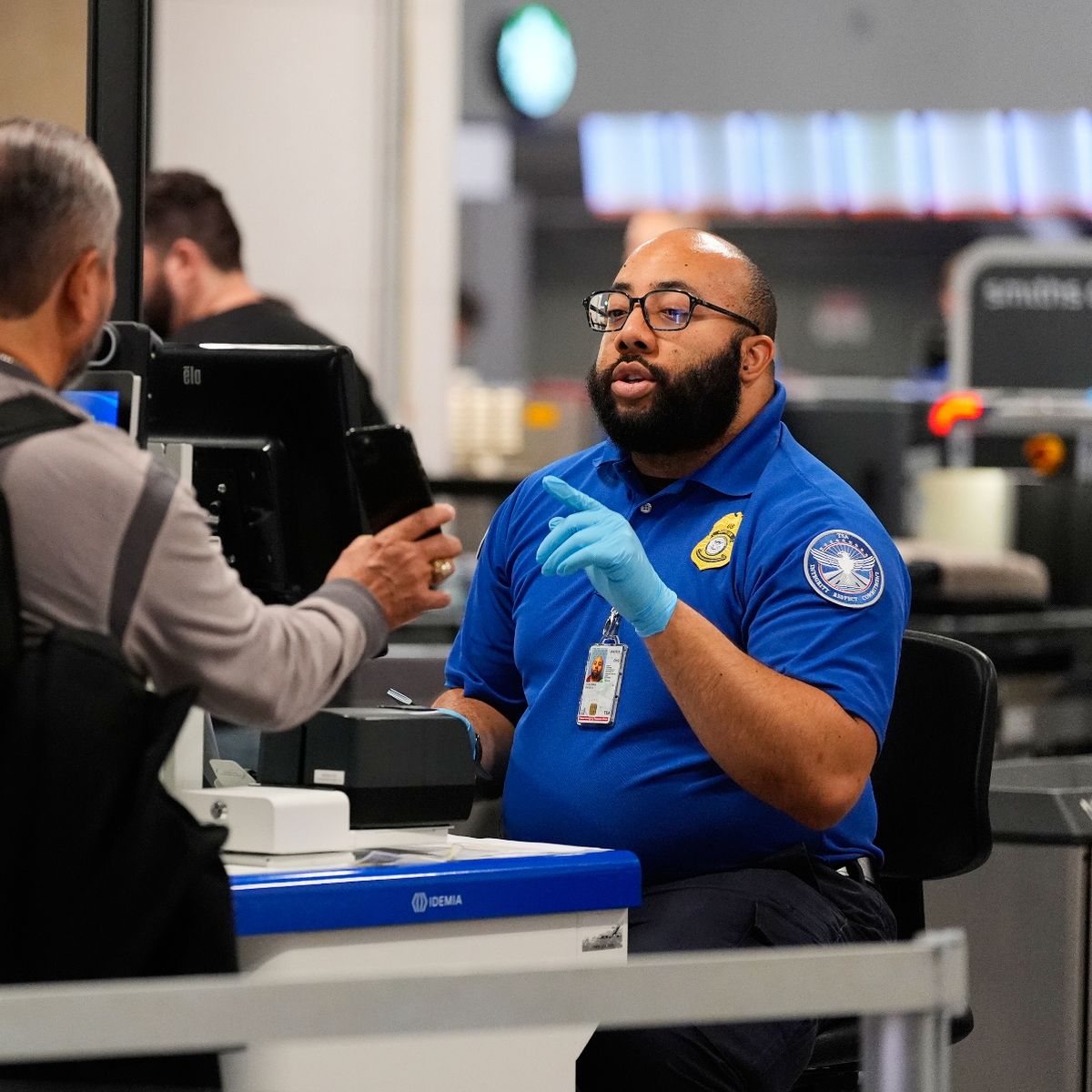
Back at home, the backlash is growing louder by the hour. Social media platforms are flooded with reactions, with many users calling the policy “extreme,” “paranoid,” and “a disaster waiting to happen.” Travelers planning trips are openly expressing fear that something they posted years ago—an argument, a joke, a political comment—could suddenly turn into a border-entry problem. Civil liberties groups warn that the policy crosses a major privacy line, saying it creates an environment where people feel watched, judged, and vulnerable before they ever set foot on American soil.
The administration, however, is standing firm. Officials defending the decision argue that in a digital age, threats often evolve online first, and ignoring a visitor’s digital footprint would be irresponsible. They insist the policy is temporary, tied specifically to heightened global travel during the World Cup season. Yet critics point out that previous “temporary” measures have often become permanent fixtures, and there are growing fears that this requirement might be here to stay.
As frustration builds, travel analysts are beginning to warn that the fallout could extend far beyond tourism dollars. If foreign travelers start avoiding the United States out of fear or principle, the ripple effects could reach hotels, restaurants, entertainment venues, theme parks, museums, and entire local economies that rely on international visitors. Some experts say the image of the U.S. as a welcoming destination is already fraying, and policies like this could accelerate that decline, especially among younger travelers who often value privacy and freedom online.
Even celebrities and influencers are reacting, with several high-profile figures expressing shock at the idea of handing over their private messages and posts. They say this could fundamentally change how stars and public figures interact with American audiences, especially if their teams fear that old controversies, past feuds, or sensitive communications could be combed through by border officials. The fear isn’t only about embarrassment—it’s about control, reputation, and the feeling that personal history is no longer personal at all.
But the most unsettling part of the story isn’t what has been announced—it’s what might still be coming. Late-night conversations in political and media circles are buzzing with speculation about additional security layers the administration could roll out next. Some insiders claim there are discussions about expanding the data-check requirement to business travelers, students, and even certain visa renewals, while others insist the current order is only the “first phase.” No one knows the full truth yet, but the uncertainty alone is pouring gasoline on the fire.
And as the controversy intensifies, one question is starting to echo across the travel and political world: if this is only the beginning, what could possibly be next—because the whispers coming from behind closed doors suggest that something even bigger may be on the horizon, and officials are already bracing for impact.





10 MINUTES AGO: Washington in Panic as President Donald Trump Shot Again While Exiting the White House and Urgently Rushed to the Hospital – Is This a Stunt to Distract from the Epstein Files? Here Are the Full Details

Furious Rep Melanie Stansbury Takes a Bold Move against Trump and his Associates in the Epstein Files after her recent interview, but she might not be safe after this move

BREAKING: Bad Bunny Files Stunning $500 Million Lawsuit Against Donald Trump, Claiming The President’s Super Bowl LX Halftime Remarks Were Made With “Actual Malice” and it’s Causing Severe Reputation Damage

Travis Kelce and Taylor Swift Turn Heads After Appearing at NFL Honors, and Fans Can’t Stop Talking About Taylor’s Unusually Elegant Silver Mini Dress… See Photos

Travis Kelce admitted to cheating on fiance Taylor Swift’s because…

Taylor Swift calls off engagement and wedding plans with Ex Travis Kelce and reveals one shocking reason why

“Why am I being dragged into this?”: Travis Kelce frustrated as Taylor Swift parents stops him from getting married to their daughter because of Austin

“Travis Has Crossed the Line” — Taylor Swift Breaks Her Silence and Reveals What Travis Kelce Did That She Says She Will Never Forgive

Taylor Swift Announces Her Mom and Dad Are Divorcing, Then Says “Travis and I Are No…” — Full Details

Taylor Swift Secretly Bought the Kansas City Chiefs for $14 Billion — Sources Say She Did It to “Protect Travis’s Legacy”

JUST IN: House Democrats are said to be only five votes short of moving forward with Trump’s impeachment, as political pressure rises and a single vote could shift the outcome in Washington.
