
NEWS
Trump on his father: “He had one problem. At a certain age, about 86, 87, he started getting, what do they call it?… Like an Alzheimer’s thing. Well, I don’t have it.”

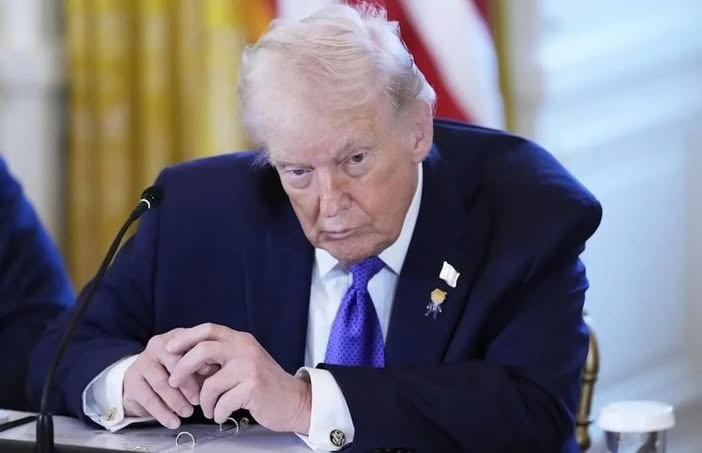
Trump on His Father, Memory, and a Moment That Sparked a New National Conversation
A single pause. A brief hesitation. Then a sentence that instantly ricocheted across the political world.
While speaking candidly about his family, former President Donald Trump reflected on his father, Fred Trump, recalling the final years of his life. “He had one problem,” Trump said. “At a certain age, about 86, 87, he started getting, what do they call it?… Like an Alzheimer’s thing. Well, I don’t have it.”
The remark, delivered in Trump’s familiar off-the-cuff style, quickly became far more than a personal anecdote. It opened the door to an intense national discussion touching on aging, leadership, memory, vulnerability, and the expectations placed on those who seek or hold power at the highest level.
Fred Trump was a towering figure in Donald Trump’s life. A successful real estate developer, he was known for discipline, ambition, and an imposing presence that shaped his son’s worldview from an early age. Donald Trump has often credited his father for teaching him toughness, competitiveness, and confidence. Yet this time, the story took a more human turn. For once, the focus was not on strength or success, but on decline.
The way Trump described his father’s condition stood out. He appeared to search for the right term, pausing mid-sentence before landing on “an Alzheimer’s thing.” To some listeners, the moment felt raw and unpolished. To others, it felt revealing — not just about his father, but about Trump himself and how he views aging and mental sharpness.
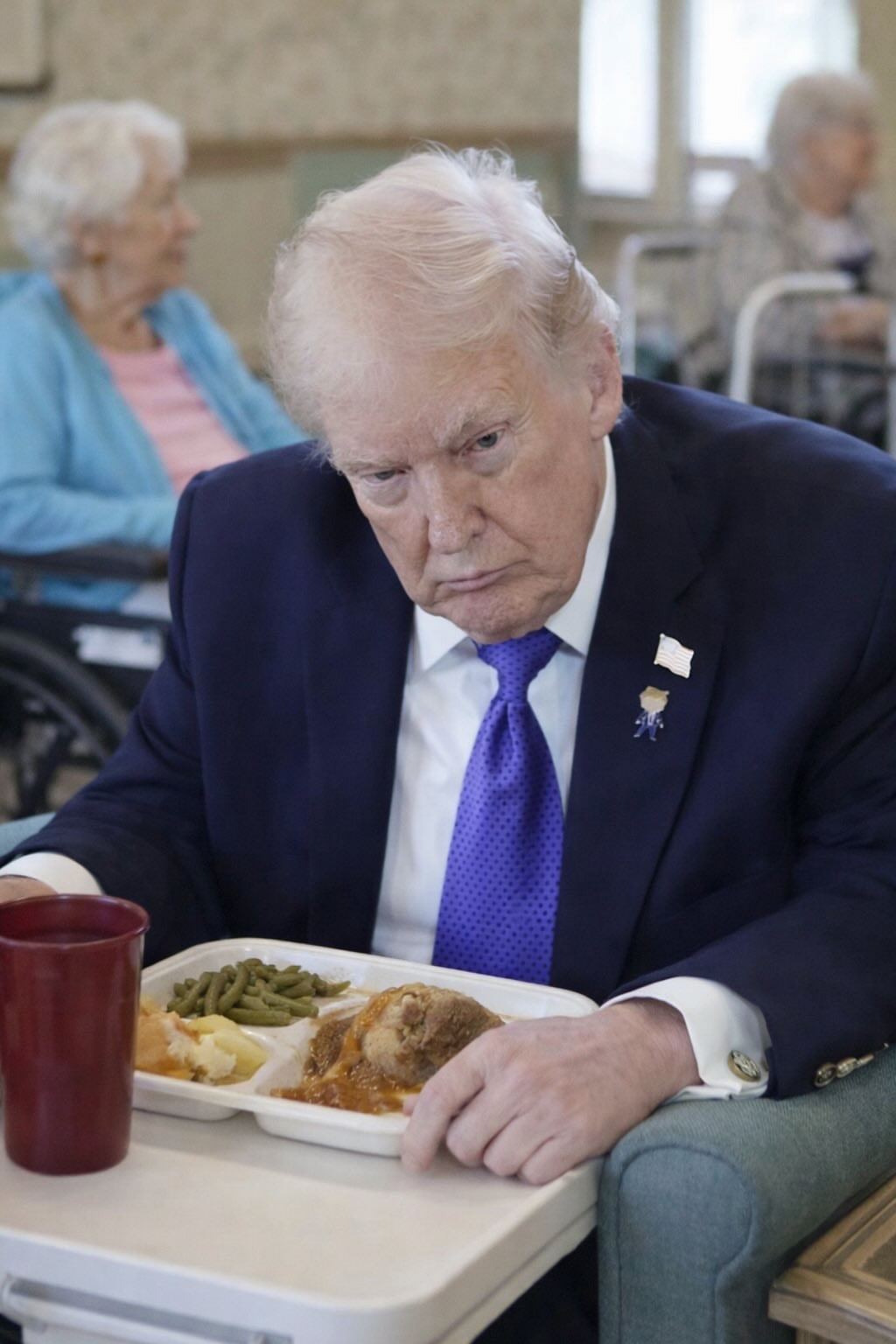
What followed only intensified the reaction. Trump added firmly, “Well, I don’t have it.” With that declaration, the story shifted from memory to assertion. Supporters interpreted the comment as Trump pushing back against years of speculation and criticism about his mental fitness. To them, it was a confident rejection of narratives they believe are politically motivated and unfair.
Critics, however, heard something else. They argued that the remark underscored the very concerns Trump was trying to dismiss. The hesitation, the phrasing, and the comparison itself became talking points, dissected endlessly across television panels and social media feeds. Some questioned whether leaders should speak so casually about serious medical conditions. Others accused Trump of oversimplifying a complex illness while using it as a rhetorical shield.
Beyond the political noise, the moment struck a chord with millions of families who have lived through the slow, painful reality of cognitive decline. Alzheimer’s and related conditions are deeply personal for many Americans, and Trump’s comments brought those experiences back into the spotlight. For some, his words felt relatable — a son remembering a powerful father losing pieces of himself. For others, they felt uncomfortable, even dismissive.
The timing also mattered. Questions about age and mental acuity have become unavoidable in modern American politics. Voters are increasingly aware that their leaders are older than ever before, and debates about capability, stamina, and clarity are no longer whispered — they are front and center. Trump’s statement landed squarely in that tension, whether intentionally or not.
What makes the moment especially compelling is how it blends vulnerability with defiance. Trump acknowledged his father’s decline, but immediately drew a sharp line between that experience and himself. It was both a personal reflection and a political message, compressed into a few seconds of speech. In typical Trump fashion, it left little room for nuance and invited strong reactions on all sides.
Supporters praised him for addressing the topic head-on, arguing that transparency about family history does not equal personal weakness. They say his confidence is part of what attracts voters who see him as resilient and unshaken by criticism. Opponents counter that true transparency requires more than bold claims, especially when public trust is at stake.
As the clip continues to circulate, one thing is clear: the comment has taken on a life of its own. It is no longer just about Fred Trump or a fleeting memory lapse. It has become a symbol in a broader debate about leadership, honesty, aging, and how much the personal lives of politicians should matter to the public.
In the end, Trump’s words did what so many of his remarks do — they forced a conversation. Whether that conversation strengthens his position or raises new doubts remains to be seen. But in a political landscape where every sentence is scrutinized and every pause analyzed, even a moment of reflection about a father can become a defining national moment.
And once again, the country is left asking not just what was said, but what it truly reveals.









10 MINUTES AGO: Washington in Panic as President Donald Trump Shot Again While Exiting the White House and Urgently Rushed to the Hospital – Is This a Stunt to Distract from the Epstein Files? Here Are the Full Details

Furious Rep Melanie Stansbury Takes a Bold Move against Trump and his Associates in the Epstein Files after her recent interview, but she might not be safe after this move

BREAKING: Bad Bunny Files Stunning $500 Million Lawsuit Against Donald Trump, Claiming The President’s Super Bowl LX Halftime Remarks Were Made With “Actual Malice” and it’s Causing Severe Reputation Damage

Travis Kelce and Taylor Swift Turn Heads After Appearing at NFL Honors, and Fans Can’t Stop Talking About Taylor’s Unusually Elegant Silver Mini Dress… See Photos

Travis Kelce admitted to cheating on fiance Taylor Swift’s because…

Taylor Swift calls off engagement and wedding plans with Ex Travis Kelce and reveals one shocking reason why

“Why am I being dragged into this?”: Travis Kelce frustrated as Taylor Swift parents stops him from getting married to their daughter because of Austin

“Travis Has Crossed the Line” — Taylor Swift Breaks Her Silence and Reveals What Travis Kelce Did That She Says She Will Never Forgive

Taylor Swift Announces Her Mom and Dad Are Divorcing, Then Says “Travis and I Are No…” — Full Details

Taylor Swift Secretly Bought the Kansas City Chiefs for $14 Billion — Sources Say She Did It to “Protect Travis’s Legacy”

JUST IN: House Democrats are said to be only five votes short of moving forward with Trump’s impeachment, as political pressure rises and a single vote could shift the outcome in Washington.
