
NEWS
Trump COGNITIVE DECLINE Exposed in SCARY GLITCH

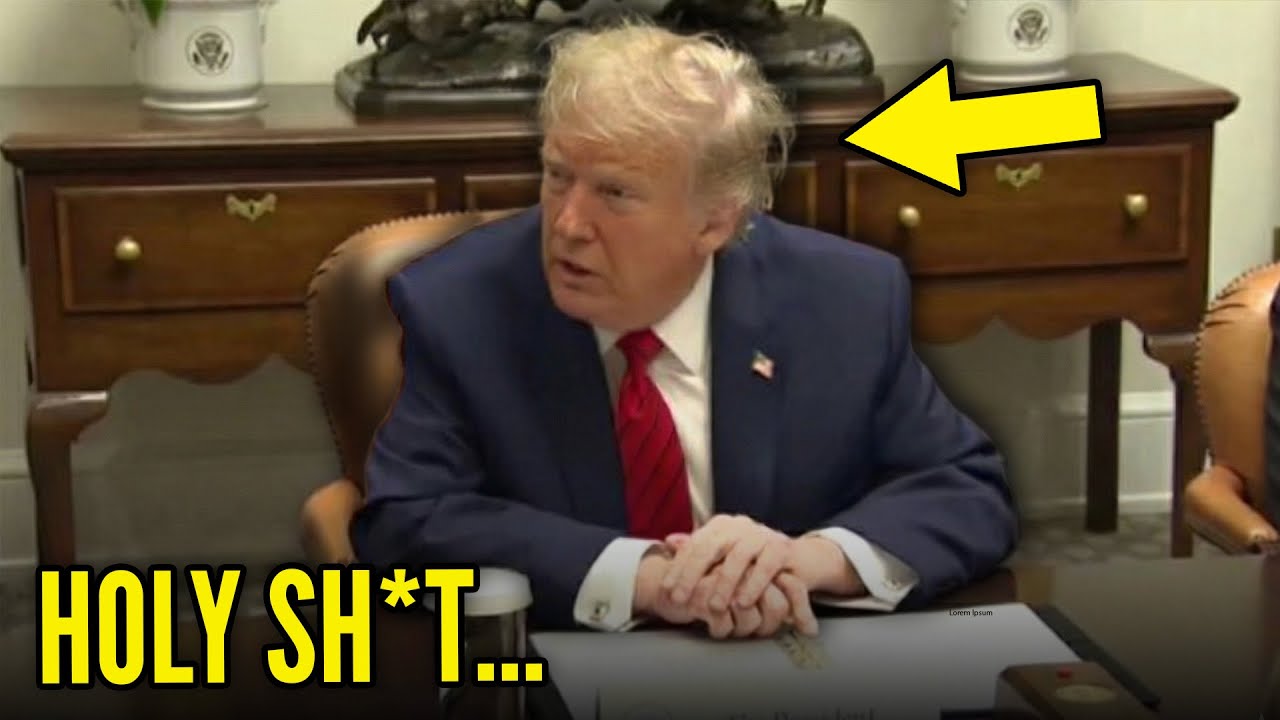
Donald J. Trump, once celebrated for his bold speeches and fiery rallies, is now facing growing scrutiny over what some experts say may be signs of cognitive decline. The concern comes after what has been described in media reports as a “scary glitch” in his public behavior, raising questions about his mental fitness. Observers have pointed to increasingly noticeable patterns in Trump’s speech and conduct that suggest more than normal aging. During public events, he has been seen struggling to complete thoughts, veering off-topic, and showing unusual tangents that appear disconnected from the conversation. Linguistic analysts have noted a rise in all-or-nothing language, simpler sentence structures, and repetitive phrasing, patterns some specialists associate with early cognitive difficulties. Neurologists and psychologists emphasize that subtle lapses in memory, impulse control, and verbal fluency can indicate potential issues with the frontal lobe, the part of the brain responsible for executive functions and decision-making.
At the same time, the official narrative from Trump and his team maintains that he is in excellent health. White House statements highlight that he has passed medical evaluations, including cognitive tests, and that recent exams revealed no abnormalities. Trump himself has boasted about acing multiple versions of the Montreal Cognitive Assessment, a screening tool used to detect early signs of dementia. The White House physician has described him as “fully fit,” and Trump’s supporters insist that media scrutiny is politically motivated rather than medically grounded.
Despite these reassurances, skeptics remain unconvinced. Experts note that passing a short cognitive test does not guarantee long-term mental stability, and they argue that real-world behavior often reveals more than a controlled examination. Some highlight that public instances of confusion, tangential speech, and memory lapses are concerning when patterns persist over time. Even minor inconsistencies in his statements or unusual responses in unscripted settings fuel questions about whether official statements reflect the full picture of his cognitive health. The situation is complicated by limited transparency regarding neurological imaging, leaving a gap between public perception and professional evaluation.
The debate matters because it involves a sitting political leader whose decisions impact millions of people. Whether these public lapses are minor glitches, natural aging, or early indicators of a deeper problem, the scrutiny over Trump’s cognitive abilities has become a critical discussion in political and public spheres. Supporters insist that the assessments and examinations prove he is fit, while critics warn that repeated behavioral signs suggest caution is warranted. This ongoing tension between official assurances and observed behavior keeps the conversation alive, raising questions not just about a single individual but about leadership, accountability, and the standards to which public figures are held. The “scary glitch” may or may not be an isolated incident, but it has ignited a broader debate over mental acuity, public trust, and the consequences of potential cognitive decline at the highest level of government.






10 MINUTES AGO: Washington in Panic as President Donald Trump Shot Again While Exiting the White House and Urgently Rushed to the Hospital – Is This a Stunt to Distract from the Epstein Files? Here Are the Full Details

Furious Rep Melanie Stansbury Takes a Bold Move against Trump and his Associates in the Epstein Files after her recent interview, but she might not be safe after this move

BREAKING: Bad Bunny Files Stunning $500 Million Lawsuit Against Donald Trump, Claiming The President’s Super Bowl LX Halftime Remarks Were Made With “Actual Malice” and it’s Causing Severe Reputation Damage

Travis Kelce and Taylor Swift Turn Heads After Appearing at NFL Honors, and Fans Can’t Stop Talking About Taylor’s Unusually Elegant Silver Mini Dress… See Photos

Travis Kelce admitted to cheating on fiance Taylor Swift’s because…

Taylor Swift calls off engagement and wedding plans with Ex Travis Kelce and reveals one shocking reason why

“Why am I being dragged into this?”: Travis Kelce frustrated as Taylor Swift parents stops him from getting married to their daughter because of Austin

“Travis Has Crossed the Line” — Taylor Swift Breaks Her Silence and Reveals What Travis Kelce Did That She Says She Will Never Forgive

Taylor Swift Announces Her Mom and Dad Are Divorcing, Then Says “Travis and I Are No…” — Full Details

Taylor Swift Secretly Bought the Kansas City Chiefs for $14 Billion — Sources Say She Did It to “Protect Travis’s Legacy”

JUST IN: House Democrats are said to be only five votes short of moving forward with Trump’s impeachment, as political pressure rises and a single vote could shift the outcome in Washington.
