
NEWS
Jack Smith’s Deposition Drops a Bombshell as New Details Tie Trump Directly to January 6

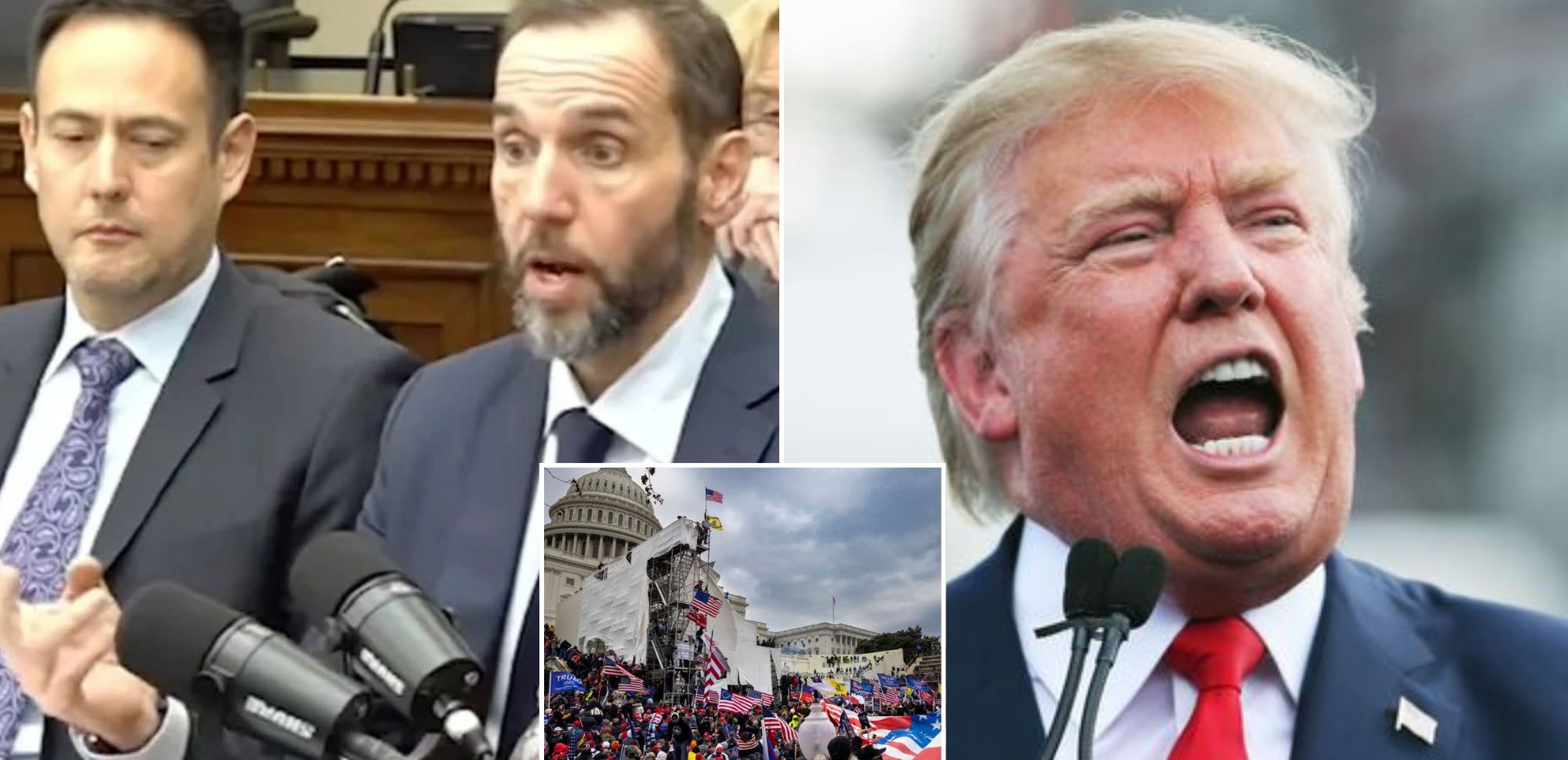
The closed-door deposition of Special Counsel Jack Smith has now emerged as one of the most consequential moments yet in the long-running investigation into Donald Trump, and its implications are far more serious than many initially believed. What was expected to be a procedural testimony instead unfolded into a detailed account that, according to Smith, directly connects Trump’s actions and decisions to the events of January 6, 2021, and to a broader effort to overturn the 2020 election.
At the heart of the deposition is a moment Smith described as critical to establishing criminal intent.
He revealed that Trump was receiving calls from individuals he trusted while the Capitol was under attack—people he relied on politically and personally—and yet still refused to take action to stop the violence or come to the aid of lawmakers and staff trapped inside the building.
Smith emphasized that this refusal was not accidental or delayed by confusion, but deliberate. In his view, this single decision point speaks volumes about intent, motive, and responsibility.
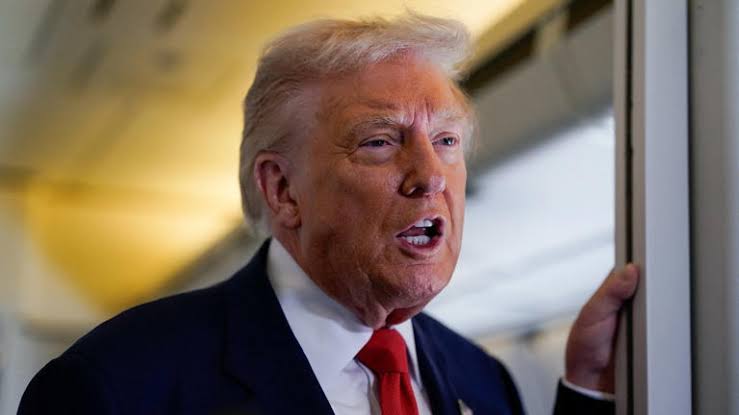
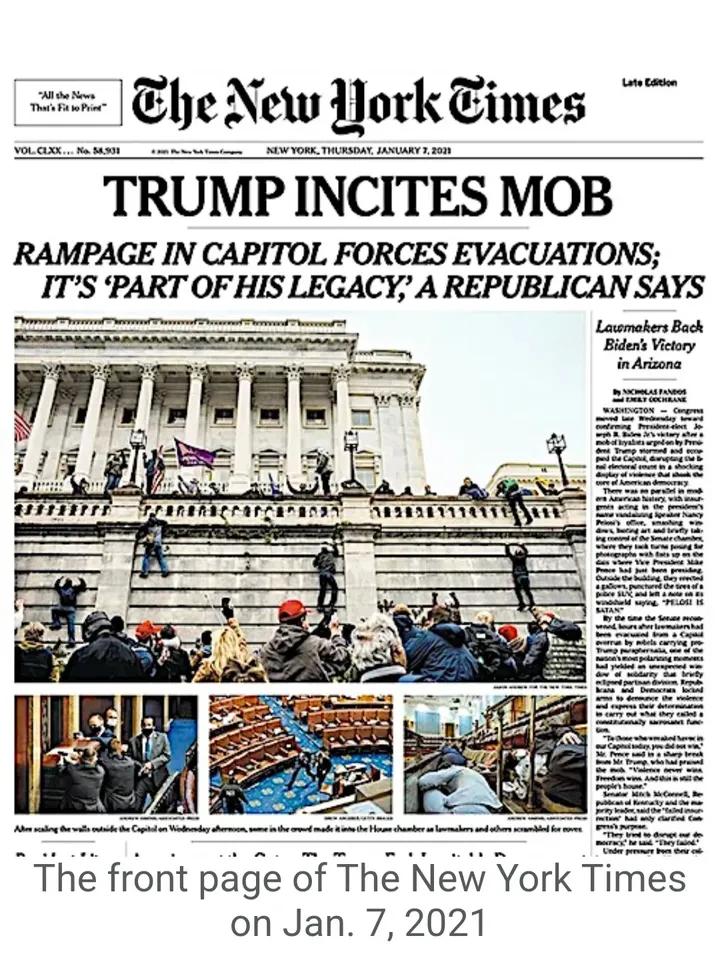
Smith went further, stating that investigators had assembled proof beyond a reasonable doubt that Trump engaged in a coordinated criminal scheme. According to the deposition, that scheme included efforts to overturn the certified results of the 2020 election, disrupt the peaceful transfer of power, retain classified documents after leaving office, and obstruct justice when authorities attempted to recover them.
Smith made it clear that Trump’s status as a former president did not influence his legal judgment, stressing that he would bring the same charges against any individual, regardless of political party or position.
One of the most striking revelations from the deposition was the discussion of Trump’s phone activity during the riot. Smith indicated that investigators uncovered evidence showing Trump was in contact with individuals connected to the unrest at the Capitol.
These communications, combined with Trump’s public silence during the most violent moments of the attack, are portrayed as a crucial link in understanding how events unfolded and why federal prosecutors view the case as unprecedented in scope and seriousness.
For observers who have followed the investigation closely, the deposition appears to clarify why prosecutors have remained confident despite political backlash and legal challenges. Smith’s testimony paints a picture of an investigation built not on speculation, but on timelines, call records, witness statements, and internal communications that prosecutors believe collectively tell a coherent story.
It is a narrative that places Trump not on the sidelines of history, but squarely at the center of decisions that shaped one of the most destabilizing days in modern American politics.
The political fallout from the deposition may be just as significant as the legal one. With midterm elections already reshaping the balance of power in Washington, Smith’s testimony adds fuel to debates about accountability, fitness for office, and the future of presidential immunity.
Some lawmakers view the deposition as confirmation that consequences are unavoidable, while others argue it represents an overreach driven by partisan motives. Regardless of perspective, the testimony has intensified pressure across the political landscape.
What makes this moment especially volatile is timing. The deposition comes as investigations are converging rather than fading, and as public attention shifts from whether charges could happen to what those charges might ultimately mean. Smith’s remarks suggest that prosecutors believe the evidence is not only sufficient, but compelling, and that delay will not alter the underlying facts.
As more details from the deposition circulate, the sense of inevitability grows. The legal process now appears to be moving toward a decisive phase, one that could redefine how former presidents are treated under the law and how future leaders measure the limits of their power.
Supporters and critics alike are bracing for what comes next, knowing that the consequences will reach far beyond a single courtroom.
The deposition does not mark the end of the story—it marks the moment when the stakes become unmistakably clear. What follows these testimonies may determine not only Trump’s legal fate, but also the standards of accountability for the highest office in the United States.







10 MINUTES AGO: Washington in Panic as President Donald Trump Shot Again While Exiting the White House and Urgently Rushed to the Hospital – Is This a Stunt to Distract from the Epstein Files? Here Are the Full Details

Furious Rep Melanie Stansbury Takes a Bold Move against Trump and his Associates in the Epstein Files after her recent interview, but she might not be safe after this move

BREAKING: Bad Bunny Files Stunning $500 Million Lawsuit Against Donald Trump, Claiming The President’s Super Bowl LX Halftime Remarks Were Made With “Actual Malice” and it’s Causing Severe Reputation Damage

Travis Kelce and Taylor Swift Turn Heads After Appearing at NFL Honors, and Fans Can’t Stop Talking About Taylor’s Unusually Elegant Silver Mini Dress… See Photos

Travis Kelce admitted to cheating on fiance Taylor Swift’s because…

Taylor Swift calls off engagement and wedding plans with Ex Travis Kelce and reveals one shocking reason why

“Why am I being dragged into this?”: Travis Kelce frustrated as Taylor Swift parents stops him from getting married to their daughter because of Austin

“Travis Has Crossed the Line” — Taylor Swift Breaks Her Silence and Reveals What Travis Kelce Did That She Says She Will Never Forgive

Taylor Swift Announces Her Mom and Dad Are Divorcing, Then Says “Travis and I Are No…” — Full Details

Taylor Swift Secretly Bought the Kansas City Chiefs for $14 Billion — Sources Say She Did It to “Protect Travis’s Legacy”

JUST IN: House Democrats are said to be only five votes short of moving forward with Trump’s impeachment, as political pressure rises and a single vote could shift the outcome in Washington.
