
NEWS
Jack Smith Walks Into a Republican-Controlled Congress, Admits He Has Zero Regrets, Says He’d Charge Trump Again Today — And What Unfolded Behind Closed Doors Is Why Republicans Are Scrambling Now

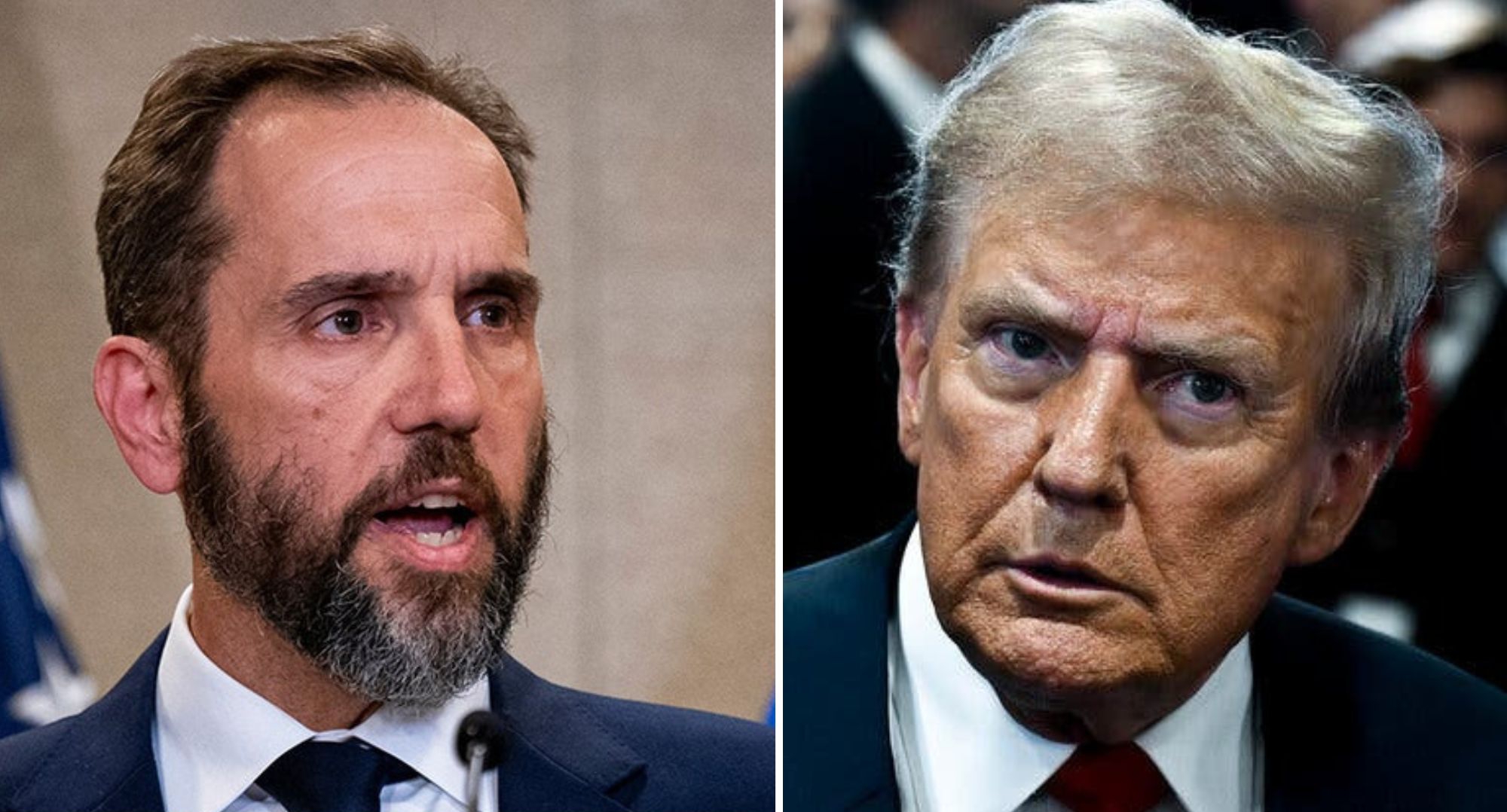
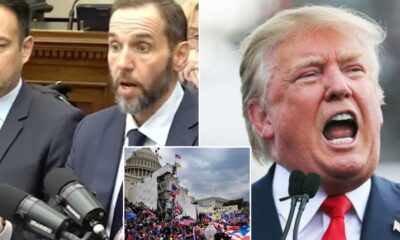
The atmosphere inside the House Judiciary Committee room was tense long before Jack Smith spoke a single word. Republicans had summoned him believing this would be their moment — a chance to challenge the man who brought historic charges against a former president and to revive the familiar claim of a political “witch hunt.” What they did not expect was how calmly, confidently, and relentlessly Smith would turn the tables.
From the very start, Smith made it clear he was not there to argue politics. He was there to state facts. In his opening statement, he laid down a reality that immediately sucked the air out of the room: his investigation concluded, beyond a reasonable doubt, that Donald Trump engaged in a criminal scheme to overturn the 2020 presidential election and block the lawful transfer of power. There was no hesitation in his voice, no hedging, no attempt to soften the message.
As Smith spoke, it became obvious that this hearing was not going according to plan for Republicans. Instead of appearing defensive, he appeared resolute. Instead of backing away from the indictments, he owned them fully. He reminded the committee that the evidence was not speculative, political, or personal. It was built on testimony, documents, and findings returned by grand juries in two separate districts.
Then came the moment that visibly shifted the room. Asked whether he regretted charging Trump, Smith didn’t pause. He said he had absolutely zero regrets. He went even further, stating plainly that if faced with the same facts today, he would bring the charges again — regardless of whether the president involved was a Republican or a Democrat. The message was unmistakable: the law does not bend for power, status, or party.
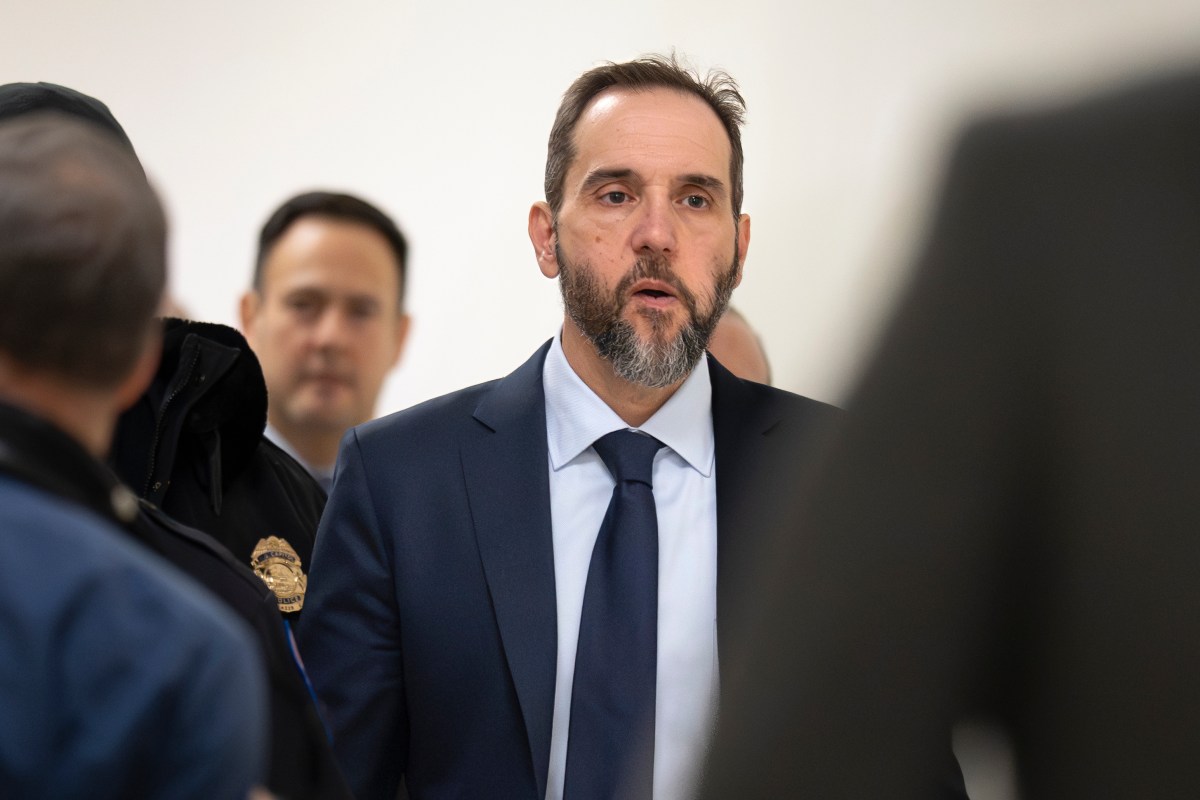
Smith drove the point home by addressing a question many Trump allies have avoided. If Trump believed the indictments were unfair, Smith suggested, the solution was simple — he should not have broken the law. The decision to prosecute, Smith explained, was his responsibility, but the basis for those charges rested entirely on Trump’s own actions as laid out in the indictments returned by independent grand juries.
That statement landed like a hammer. With a few measured sentences, Smith stripped away years of talking points and left the responsibility exactly where the justice system says it belongs — on the defendant.
What made the moment even more striking was Smith’s demeanor. He did not raise his voice. He did not trade insults. He did not appear rattled by the setting or the political hostility surrounding him. Sitting before a Republican-controlled committee often described as hostile territory, Smith calmly dismantled the idea that this case was about revenge, bias, or partisanship.
As the hearing continued, it became increasingly clear that Republicans were struggling to regain control of the narrative. Questions meant to corner Smith instead gave him opportunities to restate the foundation of the case. Every attempt to frame the investigation as politically motivated only reinforced his central argument: facts, evidence, and the rule of law drove the indictments — nothing else.
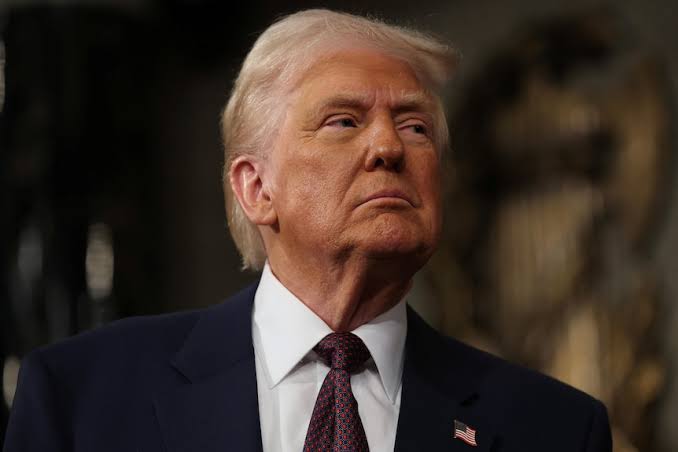
Behind closed doors on Capitol Hill, Smith accomplished what many Republicans desperately hoped he wouldn’t. He reminded the country why Donald Trump was charged in the first place. He made it clear that no amount of political pressure, outrage, or retaliation could erase sworn testimony, documentary evidence, or the conclusions of grand juries.
The irony was impossible to miss. A hearing intended to challenge the legitimacy of the investigation ended up reinforcing it. A witness expected to appear defensive instead appeared unshaken. And a narrative built around victimhood quietly collapsed under the weight of calm, methodical explanations.
Adding to the growing fallout, reports emerged that the BBC is seeking to call Jack Smith to testify in connection with Trump’s massive $10 billion lawsuit. The implications of that move are already sending ripples far beyond Washington, raising new questions about how far this legal and political saga may still go.
Yet one detail continues to haunt observers. Despite the historic nature of the testimony, the entire hearing was not broadcast. Many are calling that decision a travesty, arguing that the public was denied a full, unfiltered view of a moment that may shape how history remembers this chapter.
And what unfolded behind closed doors is why Republicans are scrambling now — here’s everything that happened.










10 MINUTES AGO: Washington in Panic as President Donald Trump Shot Again While Exiting the White House and Urgently Rushed to the Hospital – Is This a Stunt to Distract from the Epstein Files? Here Are the Full Details

Furious Rep Melanie Stansbury Takes a Bold Move against Trump and his Associates in the Epstein Files after her recent interview, but she might not be safe after this move

BREAKING: Bad Bunny Files Stunning $500 Million Lawsuit Against Donald Trump, Claiming The President’s Super Bowl LX Halftime Remarks Were Made With “Actual Malice” and it’s Causing Severe Reputation Damage

Travis Kelce and Taylor Swift Turn Heads After Appearing at NFL Honors, and Fans Can’t Stop Talking About Taylor’s Unusually Elegant Silver Mini Dress… See Photos

Travis Kelce admitted to cheating on fiance Taylor Swift’s because…

Taylor Swift calls off engagement and wedding plans with Ex Travis Kelce and reveals one shocking reason why

“Why am I being dragged into this?”: Travis Kelce frustrated as Taylor Swift parents stops him from getting married to their daughter because of Austin

“Travis Has Crossed the Line” — Taylor Swift Breaks Her Silence and Reveals What Travis Kelce Did That She Says She Will Never Forgive

Taylor Swift Announces Her Mom and Dad Are Divorcing, Then Says “Travis and I Are No…” — Full Details

Taylor Swift Secretly Bought the Kansas City Chiefs for $14 Billion — Sources Say She Did It to “Protect Travis’s Legacy”

JUST IN: House Democrats are said to be only five votes short of moving forward with Trump’s impeachment, as political pressure rises and a single vote could shift the outcome in Washington.
