
NEWS
BREAKING: As Trump Moves on Venezuela, Epstein-File Deadline Passes—What Were They Hoping No One Would Notice?

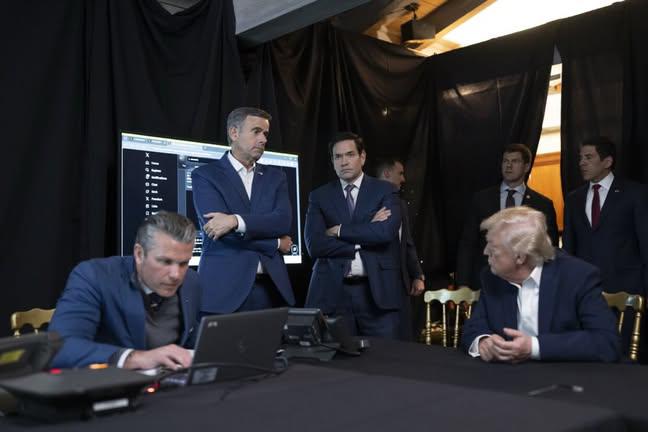
In an unfolding story that feels almost surreal, Donald Trump recently launched a sudden military move involving Venezuela.
On the same timeline, the Department of Justice’s deadline for the long-awaited Epstein files quietly passed—and the timing is raising eyebrows.
For a man obsessed with staging and optics, Trump’s choice of venue for this operation is baffling.
Instead of the White House Situation Room, he reportedly directed activities from a private resort—a space lacking the gravitas, security, and authority of the nation’s central command hub.
The Situation Room exists for a reason: secure communication, real-time decision-making, and controlled environments.
No other modern president has treated the White House like a vacation property while handling serious national security operations.
Was this merely optics, or is something more troubling at play? Questions have emerged about whether Trump was too ill to travel or possibly receiving treatment at Mar-a-Lago during the operation.
Timing, however, may be the most curious factor of all. With the Epstein-files deadline looming, some observers argue this sudden military escalation could be a strategic distraction—a way to pull attention from documents and investigations that many were eagerly awaiting.
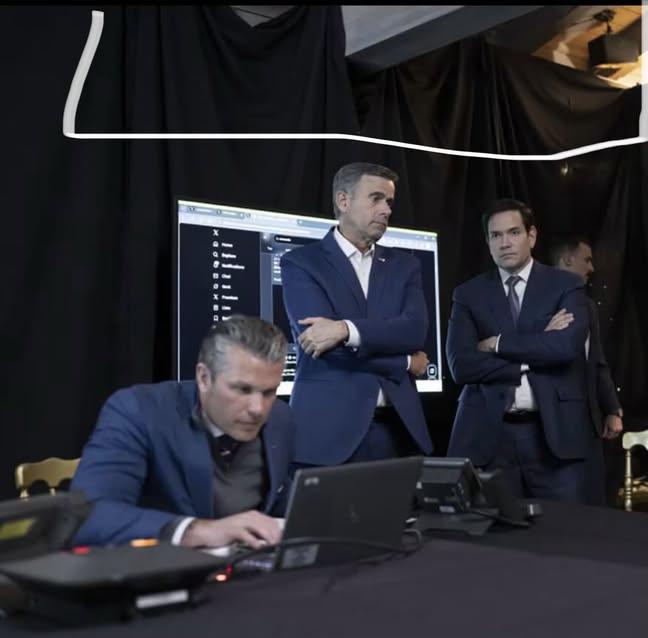
And the venue isn’t just inconvenient; it’s symbolically loaded, linked to one of the most notorious trafficking scandals of the last decade.
Adding to the concern is the reportedly casual behavior of aides during critical meetings. Sources suggest that Pete Hegseth was seen playing a battleship-style PC game during discussions, rather than actively briefing or advising.
The optics of such behavior in the middle of sensitive national and international operations are undeniably alarming.
The combination of unsecured venues, odd timing, and unqualified or distracted personnel paints a picture that raises serious questions about leadership, judgment, and the messages being sent both to the American public and to international observers.
As this story unfolds, one question looms larger than all others:
What were they hoping no one would notice as the Epstein-file deadline quietly passed?
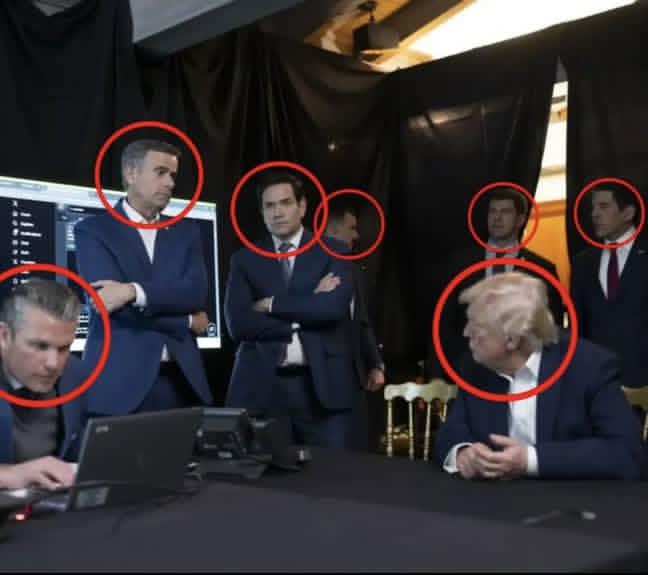
Until more information surfaces, the world is left watching, waiting, and questioning the events that played out behind closed doors—events that may have consequences far beyond what the public currently sees.









10 MINUTES AGO: Washington in Panic as President Donald Trump Shot Again While Exiting the White House and Urgently Rushed to the Hospital – Is This a Stunt to Distract from the Epstein Files? Here Are the Full Details

Furious Rep Melanie Stansbury Takes a Bold Move against Trump and his Associates in the Epstein Files after her recent interview, but she might not be safe after this move

BREAKING: Bad Bunny Files Stunning $500 Million Lawsuit Against Donald Trump, Claiming The President’s Super Bowl LX Halftime Remarks Were Made With “Actual Malice” and it’s Causing Severe Reputation Damage

Travis Kelce and Taylor Swift Turn Heads After Appearing at NFL Honors, and Fans Can’t Stop Talking About Taylor’s Unusually Elegant Silver Mini Dress… See Photos

Travis Kelce admitted to cheating on fiance Taylor Swift’s because…

Taylor Swift calls off engagement and wedding plans with Ex Travis Kelce and reveals one shocking reason why

“Why am I being dragged into this?”: Travis Kelce frustrated as Taylor Swift parents stops him from getting married to their daughter because of Austin

“Travis Has Crossed the Line” — Taylor Swift Breaks Her Silence and Reveals What Travis Kelce Did That She Says She Will Never Forgive

Taylor Swift Announces Her Mom and Dad Are Divorcing, Then Says “Travis and I Are No…” — Full Details

Taylor Swift Secretly Bought the Kansas City Chiefs for $14 Billion — Sources Say She Did It to “Protect Travis’s Legacy”

JUST IN: House Democrats are said to be only five votes short of moving forward with Trump’s impeachment, as political pressure rises and a single vote could shift the outcome in Washington.
