
NEWS
The United States has abandoned plans to seize Greenland due to the risk of impeachment proceedings against Donald Trump

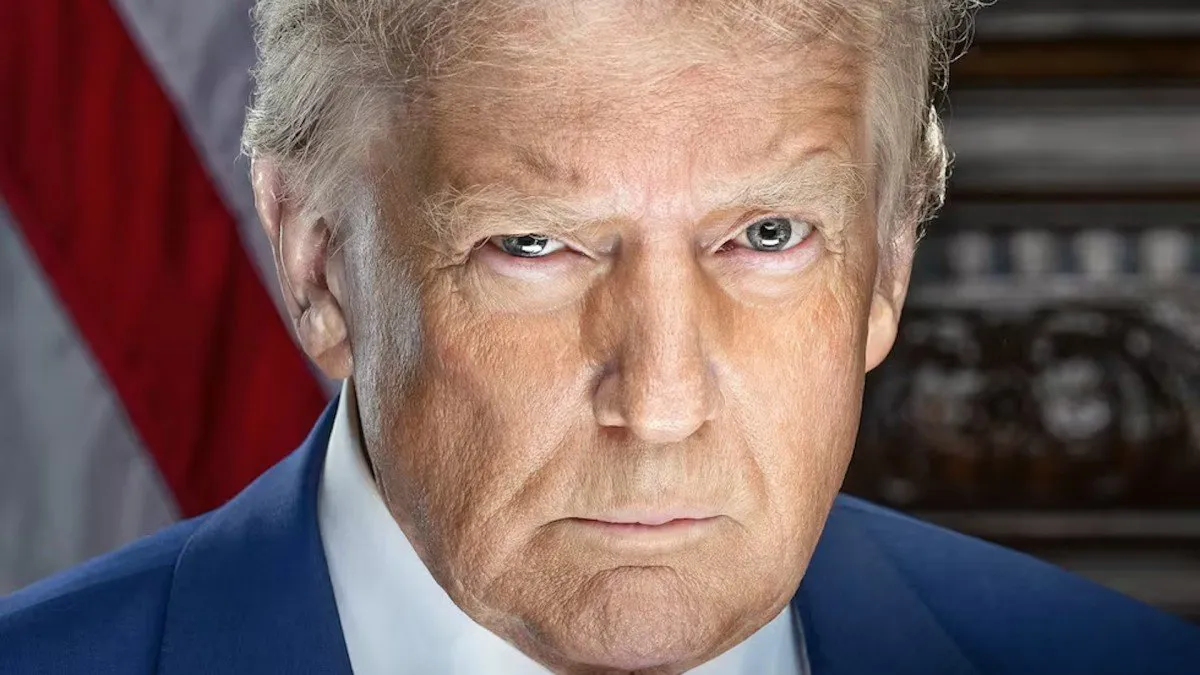
For months, the idea sounded almost unthinkable. The United States, under Donald Trump, openly discussing the possibility of taking control of Greenland. What began as aggressive rhetoric slowly evolved into a serious political dilemma, one that sent shockwaves through Washington, rattled America’s allies, and ultimately forced a quiet retreat.
According to multiple political insiders, the United States has now abandoned any plans to seize Greenland, not because the strategic interest disappeared, but because the political cost became too dangerous. At the heart of that risk was one word lawmakers across both parties feared: impeachment.
Greenland has long been viewed as strategically valuable. Its location in the Arctic makes it crucial for missile defense, early warning systems, and future resource access. The U.S. already maintains a military presence there, and interest in expanding influence has existed for decades. But Trump’s approach was radically different. He publicly revived the idea of full control, at times framing it as a deal, at other times refusing to rule out more forceful options.
That rhetoric alarmed Denmark, Greenland’s government, NATO allies, and legal experts almost immediately. Greenland’s leaders made it clear the territory was not for sale and that its people alone would decide their future. European allies warned that any attempt to seize Greenland would violate international law and fracture NATO unity.
Inside Washington, the concern went even deeper.
Legal advisers and members of Congress reportedly began to analyze what a military seizure of Greenland would mean constitutionally. Greenland is part of a NATO ally. Any unilateral military action without congressional authorization could be interpreted as an abuse of presidential power. That possibility triggered private conversations that grew increasingly serious as Trump continued to push the idea.
Some lawmakers, including Republicans, feared that ordering such an action could cross a red line so severe it would revive impeachment proceedings. For a president already surrounded by legal and political controversies, Greenland became something else entirely: a potential catalyst for constitutional crisis.
The risk wasn’t hypothetical. Impeachment does not require a criminal conviction, only a determination that a president committed actions incompatible with the office. A forced seizure of allied territory could easily be framed as reckless, unlawful, and destabilizing. Even supporters of Trump reportedly warned that such a move would be impossible to defend politically.
As pressure mounted, the tone from the White House began to change.
Public statements softened. The language shifted from force to negotiation, from control to access. Trump emphasized diplomacy and cooperation rather than confrontation. Behind the scenes, the more extreme options were quietly dropped altogether. What remained was a recognition that the backlash, both domestic and international, was too great.
The retreat did not come from lack of interest, but from political reality.
Seizing Greenland would not only risk impeachment, it would also shatter America’s standing with allies at a time when global tensions are already high. It would raise questions about U.S. commitment to international law and undermine trust that took decades to build. Even from a strategic standpoint, many experts argued the United States already had what it needed without crossing such a dangerous line.
In the end, Greenland became a symbol of the limits of presidential power. It showed that even bold ambitions can collapse when they collide with constitutional boundaries and political consequences. The idea that once dominated headlines now fades quietly into the background, not officially canceled, but effectively abandoned.
For Trump, the episode stands as a reminder that not every aggressive vision can survive the reality of law, alliances, and accountability. For Washington, it underscores how fragile the balance of power becomes when foreign policy and domestic politics collide.
And for Greenland, it reaffirmed a simple truth its leaders never stopped repeating: its future will not be decided by force, threats, or political pressure from afar.











Taylor Swift Reveals Her Mom Is Facing Cancer Again: ‘I Give All of My Worry to Real Problems Now’

Travis Kelce Gives Fans a Glimpse Into His Family Vacation in St. Barts as Wife Taylor Swift Relaxes Under the Tent While He Shows Off His Unexpected Master-Chef Skills During a Fun-Filled Outdoor Cooking Moment..See the videos and photos

OMG!! Taylor Swift and Travis Kelce Finally Confirm That… See Full Details

“Taylor Swift went grocery shopping with Travis Kelce’s mom, Donna, and sister-in-law, Kylie. The pop star is already fitting right in with the family and is also looking like…See 10 Beautiful Photos

Taylor Swift and Travis Kelce Melt Hearts With a Sweet Garden Embrace and Playful Barefoot Dance, Giving Fans a Rare Glimpse Into Their Fun-Filled, Romantic Married Life as They Unwind Together Before the Kansas City Chiefs’ Big Game

TAYLOR SWIFT AND TRAVIS KELCE’S QUIET POST-GAME MOMENT MELTS HEARTS! After the NFL Game, the Couple Retreats to a Peaceful Private Setting, Sharing a Tender Kiss and Sweet Glances Through the Window as They Simply Enjoy Being Close to Each Other..

Looks Like His Wife Dresses Him’ — Fans Sense Taylor Swift in Travis Kelce’s Stylish Outfit for Chiefs Preseason Game 1

Taylor Swift and Brittany Mahomes plan to surprise their husbands and to support their game tonight…

NO LONGER THE RUMOR: Just one hour ago, Travis Kelce dropped the long-awaited announcement we’ve all been hoping for…

Travis Kelce flashes his wedding ring as he arrives for first Chiefs game tonight since marrying Taylor Swift… but his new wife is not spotted in the stands…

Travis Kelce Spotted on a Stroll With Wife Taylor Swift and a Baby Bump Just Weeks After Their Wedding, and Fans Are All Saying the Same Thing… See the Photos
