
NEWS
No matter what you think of the Clintons, this is a brilliant move on their part. They were always willing to testify, but only refused when told it had to be private and behind closed doors

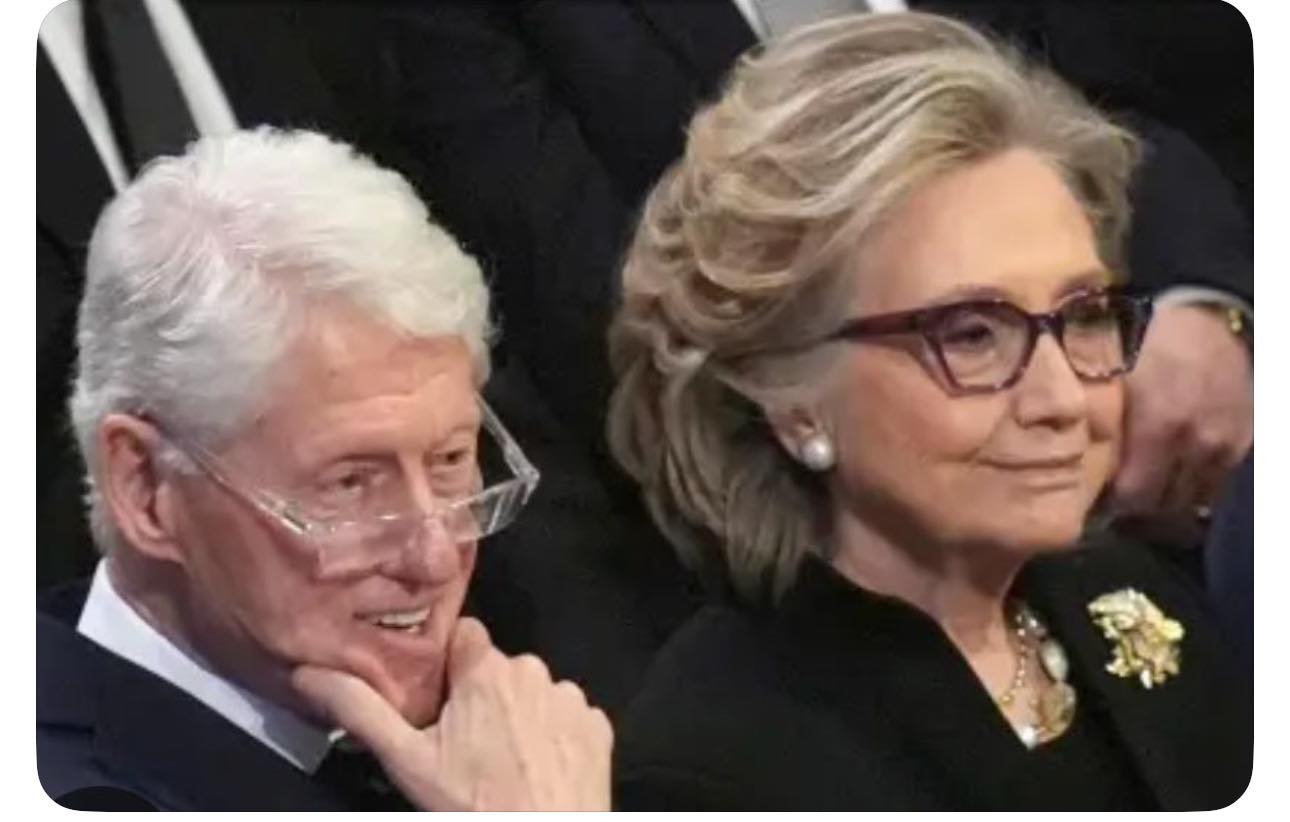
No Matter What You Think of the Clintons, This Was a Brilliant Move. Why Their Refusal Could Force the Epstein Files Into the Open
Love them or hate them, many observers are saying the same thing right now. The Clintons may have just outplayed everyone.
For years, the mention of Hillary and Bill Clinton alongside congressional investigations has triggered instant polarization. But this time, even some longtime critics are pausing to acknowledge what looks like a carefully calculated legal strategy. According to supporters and legal observers, the Clintons were never refusing to testify outright. They were willing to appear publicly. What they resisted was being questioned in private, behind closed doors, with no cameras, no public transcript, and no accountability.
That distinction matters more than it appears.
By refusing closed-door testimony and risking contempt instead, supporters argue the Clintons may have forced the process into a far more dangerous place for everyone involved. Once contempt proceedings begin, discovery can be triggered. Discovery means documents. Records. Depositions. Public filings. And crucially, a legal process that cannot remain hidden in the shadows.
This is why so many people online are calling it a checkmate.
Commenters familiar with the legal system say the move reflects Hillary Clinton’s background as a highly trained lawyer who understands how congressional theatrics work. Closed hearings, they argue, are often less about truth and more about narrative control. By declining that format, the Clintons effectively refused to participate in what critics describe as political circus distractions and blame searches.
One commenter, a former paralegal, said they saw this coming immediately. From their perspective, the strategy forces transparency. If courts become involved, the process moves into public record, where sealed games are harder to play and selective leaks lose their power.
That argument has resonated with people who are deeply frustrated by the slow release of information related to Jeffrey Epstein. Many point out that despite promises of transparency, only a small fraction of documents have been made public, often heavily redacted. For those demanding accountability, patience is gone.
A recurring question in the comments captures the mood perfectly. What changes now? If laws are already being ignored, how does this move alter the outcome?
Supporters of the strategy argue that it changes everything. Congressional committees can stall. Agencies can delay. But courts operate differently. Once a case is active, filings must be justified. Redactions must be explained. Decisions must be defended in writing. Every step leaves a paper trail.
That is why some believe contempt proceedings could force open discussions that have been suppressed for decades. Not through press conferences or political speeches, but through legal obligation.
Of course, not everyone agrees. Critics argue there is no guarantee discovery will happen, and some dismiss the entire theory as wishful thinking. They claim refusal simply leads to penalties, not revelations. But even that disagreement underscores one thing. The move has shifted the conversation away from spectacle and toward process.
Another reason this moment feels different is the sheer experience involved. The Clintons are not political amateurs. Between them, they have served as lawyers, governor, president, first lady, senator, and secretary of state. Supporters argue that dismissing their legal instincts is a mistake their opponents keep repeating.
Online reactions range from admiration to disbelief. Some celebrate the audacity. Others joke that Hillary Clinton’s most infamous controversy has now been replaced with a blunt message demanding the release of the files. A few go even further, imagining a scenario where she becomes the figure who finally forces long-buried truths into the open.
At its core, this is not really about liking the Clintons. It is about whether a system built to protect power can be forced, even briefly, to expose itself. For people who believe victims have been ignored for far too long, any move that increases the chance of transparency feels monumental.
Whether this strategy succeeds or collapses remains to be seen. But one thing is clear. This was not a reckless refusal. It was a deliberate gamble, rooted in legal knowledge and political experience.
And if the result is even a fraction more transparency than before, many believe history will remember this moment not as defiance, but as strategy.

Taylor Swift Reveals Her Mom Is Facing Cancer Again: ‘I Give All of My Worry to Real Problems Now’

Travis Kelce Gives Fans a Glimpse Into His Family Vacation in St. Barts as Wife Taylor Swift Relaxes Under the Tent While He Shows Off His Unexpected Master-Chef Skills During a Fun-Filled Outdoor Cooking Moment..See the videos and photos

OMG!! Taylor Swift and Travis Kelce Finally Confirm That… See Full Details

“Taylor Swift went grocery shopping with Travis Kelce’s mom, Donna, and sister-in-law, Kylie. The pop star is already fitting right in with the family and is also looking like…See 10 Beautiful Photos

Taylor Swift and Travis Kelce Melt Hearts With a Sweet Garden Embrace and Playful Barefoot Dance, Giving Fans a Rare Glimpse Into Their Fun-Filled, Romantic Married Life as They Unwind Together Before the Kansas City Chiefs’ Big Game

TAYLOR SWIFT AND TRAVIS KELCE’S QUIET POST-GAME MOMENT MELTS HEARTS! After the NFL Game, the Couple Retreats to a Peaceful Private Setting, Sharing a Tender Kiss and Sweet Glances Through the Window as They Simply Enjoy Being Close to Each Other..

Looks Like His Wife Dresses Him’ — Fans Sense Taylor Swift in Travis Kelce’s Stylish Outfit for Chiefs Preseason Game 1

Taylor Swift and Brittany Mahomes plan to surprise their husbands and to support their game tonight…

NO LONGER THE RUMOR: Just one hour ago, Travis Kelce dropped the long-awaited announcement we’ve all been hoping for…

Travis Kelce flashes his wedding ring as he arrives for first Chiefs game tonight since marrying Taylor Swift… but his new wife is not spotted in the stands…

Travis Kelce Spotted on a Stroll With Wife Taylor Swift and a Baby Bump Just Weeks After Their Wedding, and Fans Are All Saying the Same Thing… See the Photos
