
NEWS
ICE Sends 2 Year Old Child Out of State as Minnesota Erupts in Historic Uprising and Washington Braces for Fallout

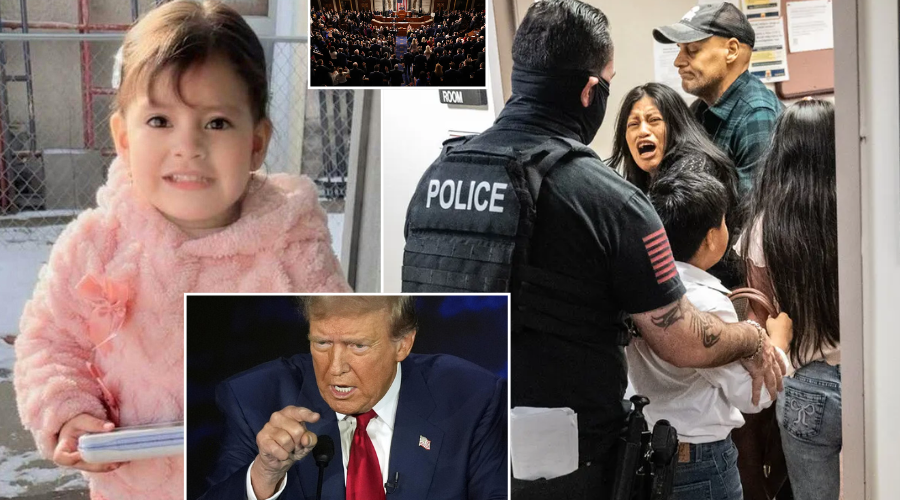
The tension gripping the United States reached a breaking point this week after reports confirmed that Immigration and Customs Enforcement detained a 2 year old girl and placed her on a plane to Texas despite a judicial order requiring her immediate release. The revelation, first reported by the Star Tribune, sent shockwaves through Minnesota and ignited outrage far beyond state lines. For many Americans, this was not just another immigration controversy. It became a symbol of a system they believe has gone too far.
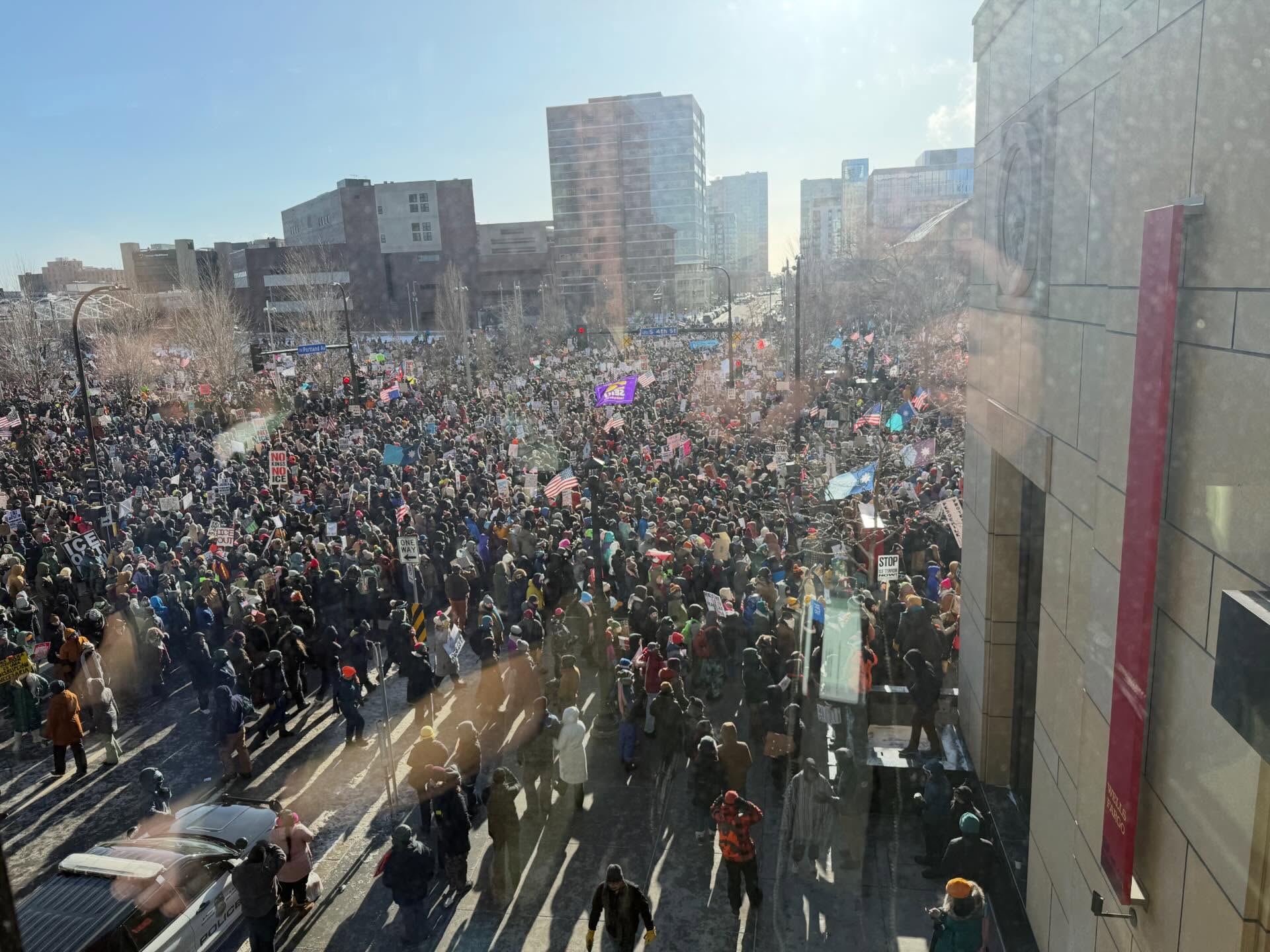
What followed was swift, emotional, and unprecedented. Minnesota erupted into what organizers are calling the largest general strike the state has seen in 70 years. Workers stayed home. Businesses shut their doors. Streets filled with demonstrators demanding a single message be heard clearly and loudly. ICE out for good. This was not framed as a protest of policy tweaks or minor reforms. It was a direct rejection of the agency’s presence and actions.
In downtown Minneapolis, the scene was striking. Temperatures plunged to minus 10, yet thousands stood outside for hours. Faces were red from the cold, breath visible in the air, but the energy was unmistakable. Protesters described the freezing conditions as proof of commitment. Many said that if people were willing to endure this kind of weather, it showed how deeply they believed the moment mattered.
Organizers and community leaders stressed that the strike was not spontaneous anger but a boiling over of long standing frustration. The removal of a toddler in defiance of a court order became the final line for many. Parents held signs. Faith leaders marched alongside students and labor groups. Even celebrities and public figures began amplifying the calls online, bringing national attention to what was unfolding on the ground.

As pressure mounted in Minnesota, demands quickly shifted toward Washington. Protesters and activists called on Congress and the Supreme Court to intervene, with some even invoking the 25th Amendment as a sign of how desperate and extraordinary the moment felt to them. It was less about constitutional procedure and more about expressing the belief that the current leadership had lost moral authority.
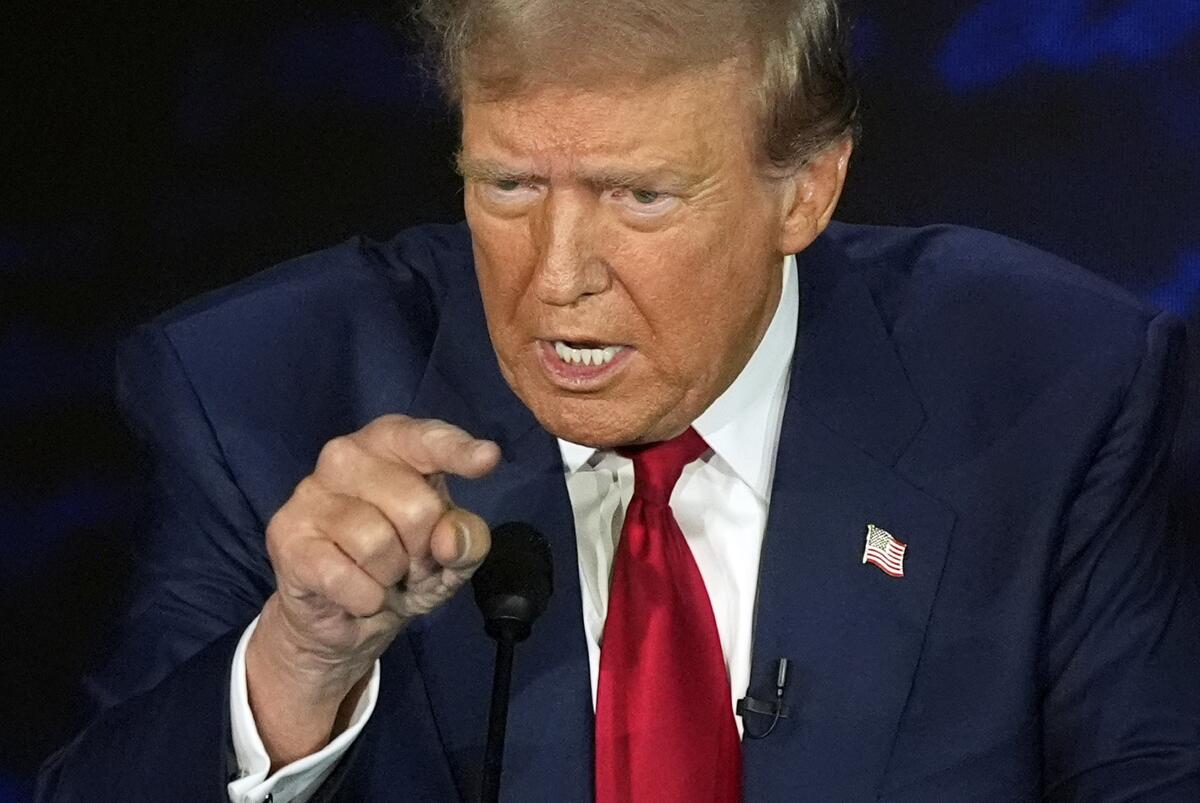
Former President Donald Trump responded bluntly. He dismissed the calls outright, stating that Congress and the Supreme Court cannot invoke the 25th Amendment and that only the president or the vice president with the cabinet has that power. He mocked critics as the Radical Left, framing the outrage as another politically motivated attack rather than a humanitarian crisis.

That response only fueled further anger. Critics argued that the issue was never really about constitutional mechanics but about accountability. They pointed out that while the 25th Amendment may not apply, Congress still holds significant power of its own. Investigations, hearings, funding decisions, and oversight remain firmly within its authority.
Behind the scenes, lawmakers reportedly moved quickly. Closed door meetings, urgent calls, and rising tension inside Washington signaled that the pressure was being felt. The White House appeared increasingly defensive as images from Minneapolis spread across social media and cable news. For many observers, it felt like one of those rare moments when public outrage threatened to translate into real political consequences.
Supporters of the strike say this is only the beginning. They argue that what happened to the 2 year old girl exposed deeper issues that can no longer be ignored. Opponents, meanwhile, accuse protesters of exaggeration and lawlessness. The divide is sharp, emotional, and growing wider by the day.
What is clear is that Minnesota has become the focal point of a national reckoning. A freezing city, a detained child, and a population pushed to the edge have converged into a moment that Washington cannot easily dismiss. Whether this leads to lasting change or fades into another chapter of political conflict remains uncertain. But for now, the country is watching, and the pressure is not letting up.













Taylor Swift Reveals Her Mom Is Facing Cancer Again: ‘I Give All of My Worry to Real Problems Now’

Travis Kelce Gives Fans a Glimpse Into His Family Vacation in St. Barts as Wife Taylor Swift Relaxes Under the Tent While He Shows Off His Unexpected Master-Chef Skills During a Fun-Filled Outdoor Cooking Moment..See the videos and photos

OMG!! Taylor Swift and Travis Kelce Finally Confirm That… See Full Details

“Taylor Swift went grocery shopping with Travis Kelce’s mom, Donna, and sister-in-law, Kylie. The pop star is already fitting right in with the family and is also looking like…See 10 Beautiful Photos

Taylor Swift and Travis Kelce Melt Hearts With a Sweet Garden Embrace and Playful Barefoot Dance, Giving Fans a Rare Glimpse Into Their Fun-Filled, Romantic Married Life as They Unwind Together Before the Kansas City Chiefs’ Big Game

TAYLOR SWIFT AND TRAVIS KELCE’S QUIET POST-GAME MOMENT MELTS HEARTS! After the NFL Game, the Couple Retreats to a Peaceful Private Setting, Sharing a Tender Kiss and Sweet Glances Through the Window as They Simply Enjoy Being Close to Each Other..

Looks Like His Wife Dresses Him’ — Fans Sense Taylor Swift in Travis Kelce’s Stylish Outfit for Chiefs Preseason Game 1

Taylor Swift and Brittany Mahomes plan to surprise their husbands and to support their game tonight…

NO LONGER THE RUMOR: Just one hour ago, Travis Kelce dropped the long-awaited announcement we’ve all been hoping for…

Travis Kelce flashes his wedding ring as he arrives for first Chiefs game tonight since marrying Taylor Swift… but his new wife is not spotted in the stands…

Travis Kelce Spotted on a Stroll With Wife Taylor Swift and a Baby Bump Just Weeks After Their Wedding, and Fans Are All Saying the Same Thing… See the Photos
