
NEWS
Trump’s Angry Five-Word Response Sparks Growing Kennedy Center Revolt as Artists Cancel, Money Is Lost, and Cultural Lines Are Redrawn

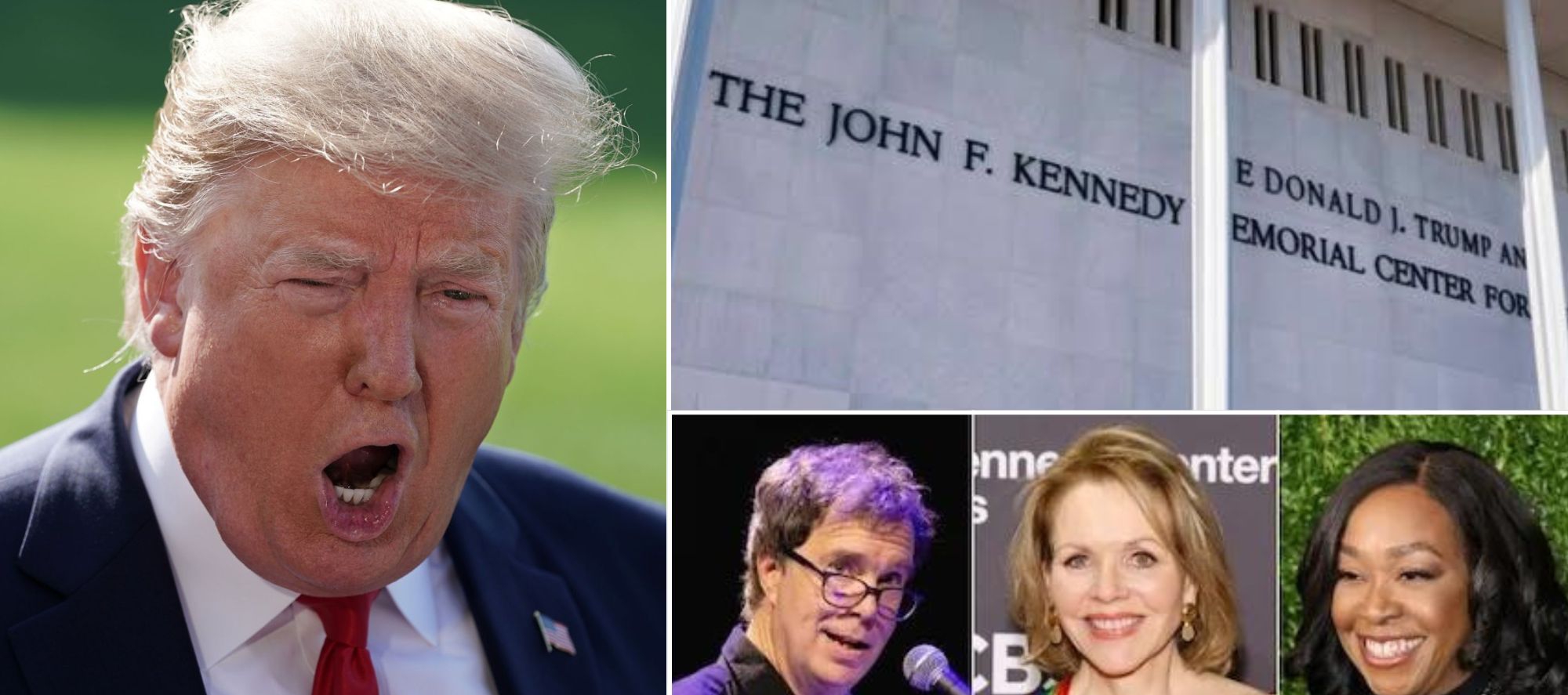
What began as a quiet wave of discomfort has now erupted into a full-blown cultural standoff, and it is growing louder by the day.
After multiple artists abruptly canceled their scheduled performances at the Kennedy Center, Donald Trump responded with what aides described as an angry five-word post, followed by an extraordinary demand for damages from performers who chose to walk away.
Instead of calming the situation, that response appears to have poured gasoline on an already volatile fire.
The cancellations did not come out of nowhere. Behind the scenes, tension had been building over what several artists described as the growing sense that Trump’s name and political identity were being placed above the Kennedy Center’s historical mission, its cultural neutrality, and what the institution has traditionally stood for.
For many performers, that shift crossed a line they were unwilling to ignore.
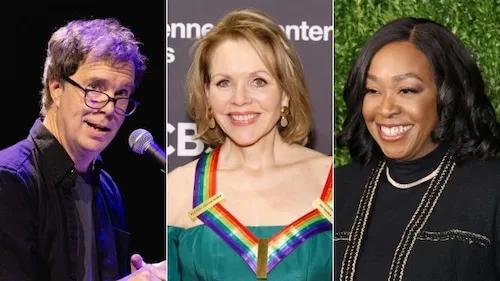
One of the first public signals came from Chuck Redd, whose decision to cancel sent ripples through the arts community. Soon after, renowned jazz saxophonist Billy Harper announced he would not go forward with his planned New Year’s Eve performance at the Kennedy Center.
His words landed with unmistakable force. Harper said he would “never even consider performing in a venue bearing a name that represents overt racism,” a statement that immediately spread across social media and ignited fierce debate.
As attention intensified, the list of cancellations continued to grow. A dance company scheduled to perform twice at the Kennedy Center in April, marking its 40th anniversary, quietly pulled out.
The financial consequences were not symbolic. The company reportedly stood to lose around $40,000, a significant blow for an organization built on decades of work and reputation. Still, they chose to step away, signaling that the issue, for them, was no longer about money.
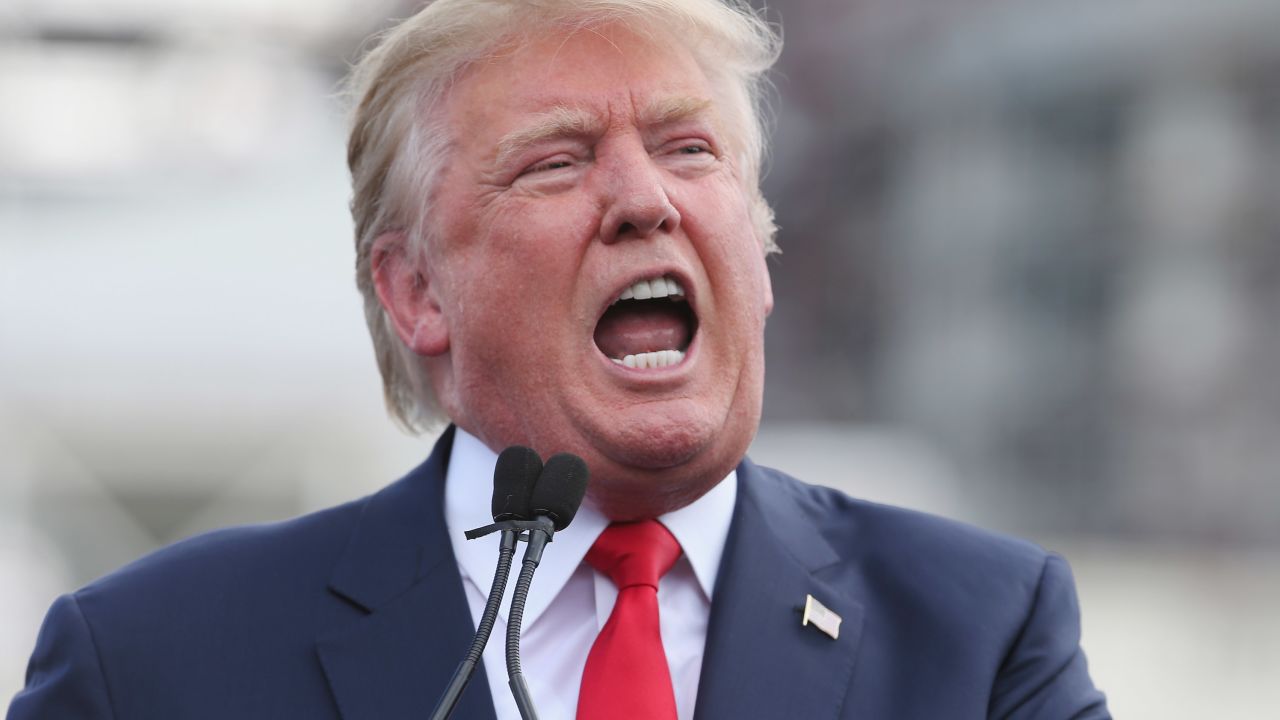
Trump’s reaction was swift and confrontational. In his post, he accused artists of unfairly targeting him and suggested that cancellations amounted to a coordinated political statement rather than individual conscience-driven decisions. His demand for damages stunned many observers, particularly within the arts world, where cancellations over ethical or ideological disputes are rare but not unheard of.
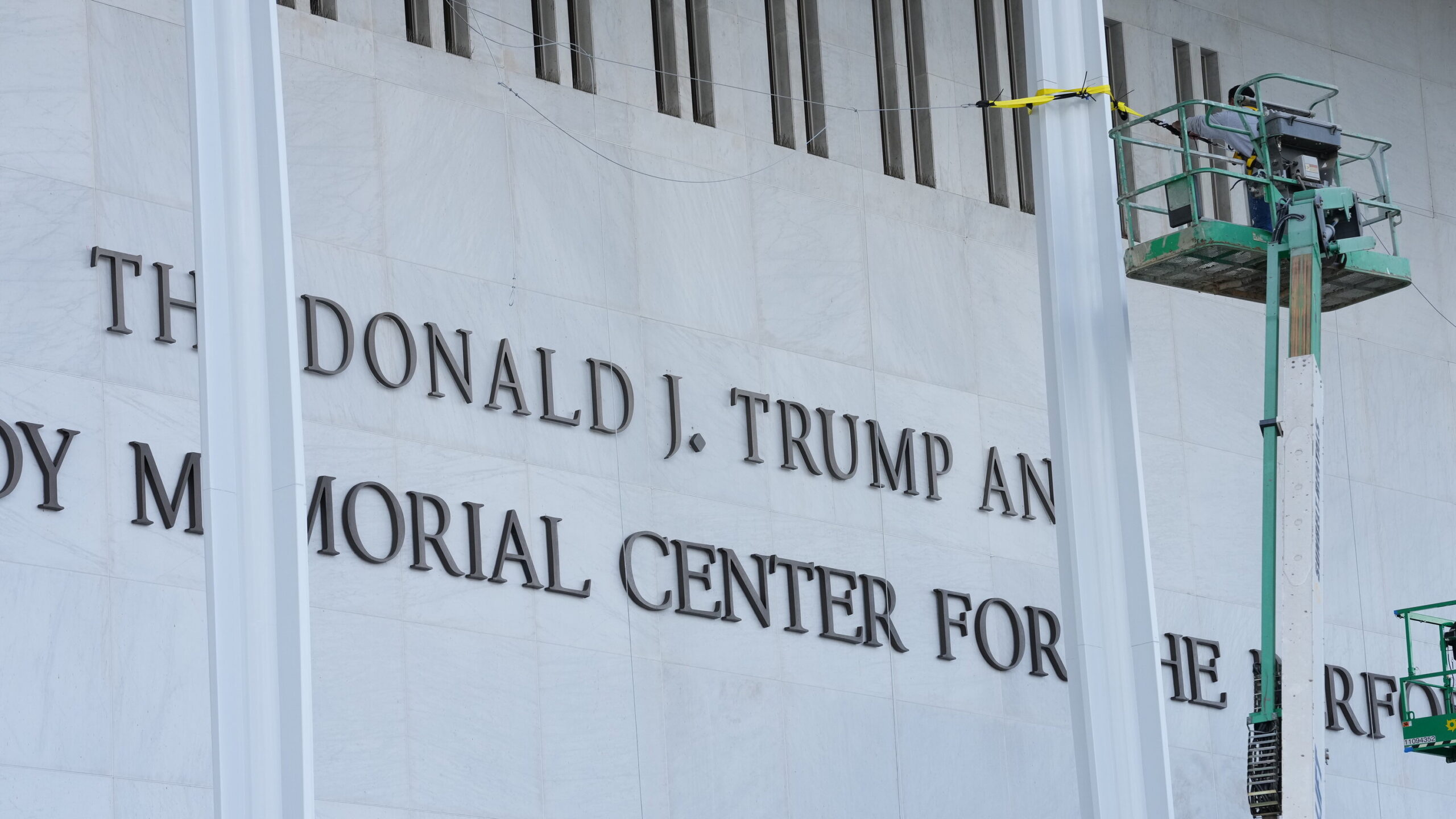
Yet what truly pushed public outrage to a new level was not the demand itself, but a separate move that followed. Trump shared a clip arguing that the solution to the growing crisis was to remove Kennedy’s name from the Kennedy Center altogether.
The segment claimed that John F. Kennedy had been “elevated to obscene levels,” a remark that struck many as a direct attack on American cultural history.
That clip changed the tone of the entire controversy.
For critics, it was no longer just about canceled performances or bruised egos. It became a question of legacy, symbolism, and whether cultural institutions should ever be reshaped to reflect the identity or grievances of a single political figure.
The Kennedy Center, long viewed as a shared national space, suddenly found itself at the center of a fight over memory, values, and power.

As the backlash widened, commentators began asking uncomfortable questions. How many more artists would walk away? How much financial damage could the institution absorb before the cancellations altered its entire programming landscape? And perhaps most strikingly, what kind of performers would remain willing to take the stage?
One sarcastic remark circulating online captured the mood with biting clarity.
At the rate things were going, critics joked, the only person left to perform at the Kennedy Center might be Erika Kirk. The comment spread not because of who it named, but because of what it implied: a future where a once-diverse cultural stage grows narrower and more politicized with each passing cancellation.
For now, the situation remains unresolved. Trump has not backed down, and artists continue to weigh their decisions carefully, knowing that each cancellation carries both professional and personal consequences. What is clear is that this is no longer a fleeting controversy.
It has become a defining cultural moment, one that forces the country to confront where art ends, where politics begins, and who ultimately gets to decide what America’s most iconic institutions represent.
And as the list of canceled performances grows, one question hangs heavily in the air: if the stage itself becomes a battleground, who will still be willing to step into the spotlight?











Taylor Swift and Travis Kelce Hold Hands Following Dinner Date Night in N.Y.C.

OMG!! Taylor Swift and Travis Kelce Finally Confirm That… See Full Details

Taylor Swift’s new song “Cleveland!” is a love letter to Travis Kelce… and a message to the haters!

Taylor Swift’s Sweetest Moment Steals the Spotlight as She Cheers for Husband Travis Kelce, Shouts “That’s My Husband,” Then Shares a Heartwarming Hug With Mama and Papa Kelce…See full video ⤵️

Taylor Swift’s Sweetest Postgame Moment Yet as She Runs Straight Into Husband Travis Kelce’s Arms After Chiefs-Colts Clash, Sharing a Hug and Celebrating Together on the Field after dramatic winner where Travis Scored a Touchdown .See full video … “

Kansas City Chiefs Announce They Will Cover Full Funeral Costs for Dillon, Isabella and 2-Year-Old Easton — Three Devoted Chiefs Fans Tragically Killed in Southeast Kansas House Fire 💔🏈 Details in the comment 👇

Taylor Swift Breaks NFL Protocol Again and Rushes to the Field to Celebrate, Hug, and Kiss Husband Travis Kelce After Chiefs’ Stunning 33–30 Overtime Win Over the Colts – Mom Andrea Swift Seen Chasing Her Daughter to Caution Her as Overexcited Taylor Couldn’t Hold Herself Back, While Patrick Mahomes Couldn’t Hold Back His Laughter… See the Full Never-Before-Seen Clip and Photos…

Taylor Swift Reveals Her Mom Is Facing Cancer Again: ‘I Give All of My Worry to Real Problems Now’

Travis Kelce Gives Fans a Glimpse Into His Family Vacation in St. Barts as Wife Taylor Swift Relaxes Under the Tent While He Shows Off His Unexpected Master-Chef Skills During a Fun-Filled Outdoor Cooking Moment..See the videos and photos

OMG!! Taylor Swift and Travis Kelce Finally Confirm That… See Full Details

“Taylor Swift went grocery shopping with Travis Kelce’s mom, Donna, and sister-in-law, Kylie. The pop star is already fitting right in with the family and is also looking like…See 10 Beautiful Photos
