
NEWS
Viral Testimony vs. DOJ Files: Kash Patel’s Sworn Claims Collapse as Newly Released Epstein Records Raise Explosive Questions

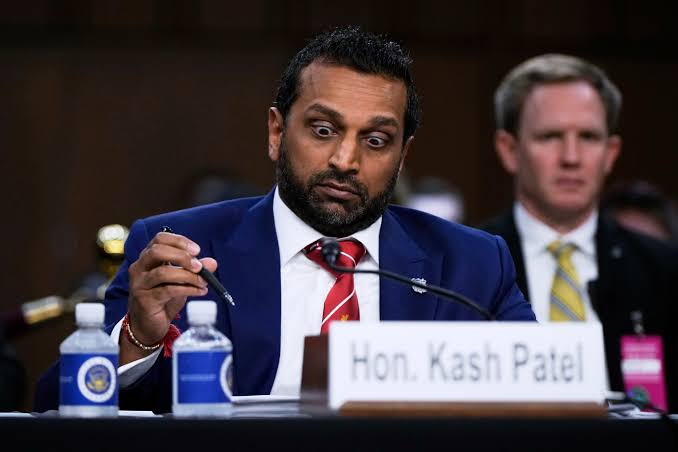
For weeks, a single clip has quietly circulated online, gaining traction with every repost.
In the video, Kash Patel, speaking under oath, states that he found no credible evidence that Jeffrey Epstein trafficked young women to others.
The statement is calm, confident, and absolute. At the time, it was treated as a definitive conclusion from a man positioned at the center of America’s law-enforcement apparatus. But today, that certainty is under pressure like never before.
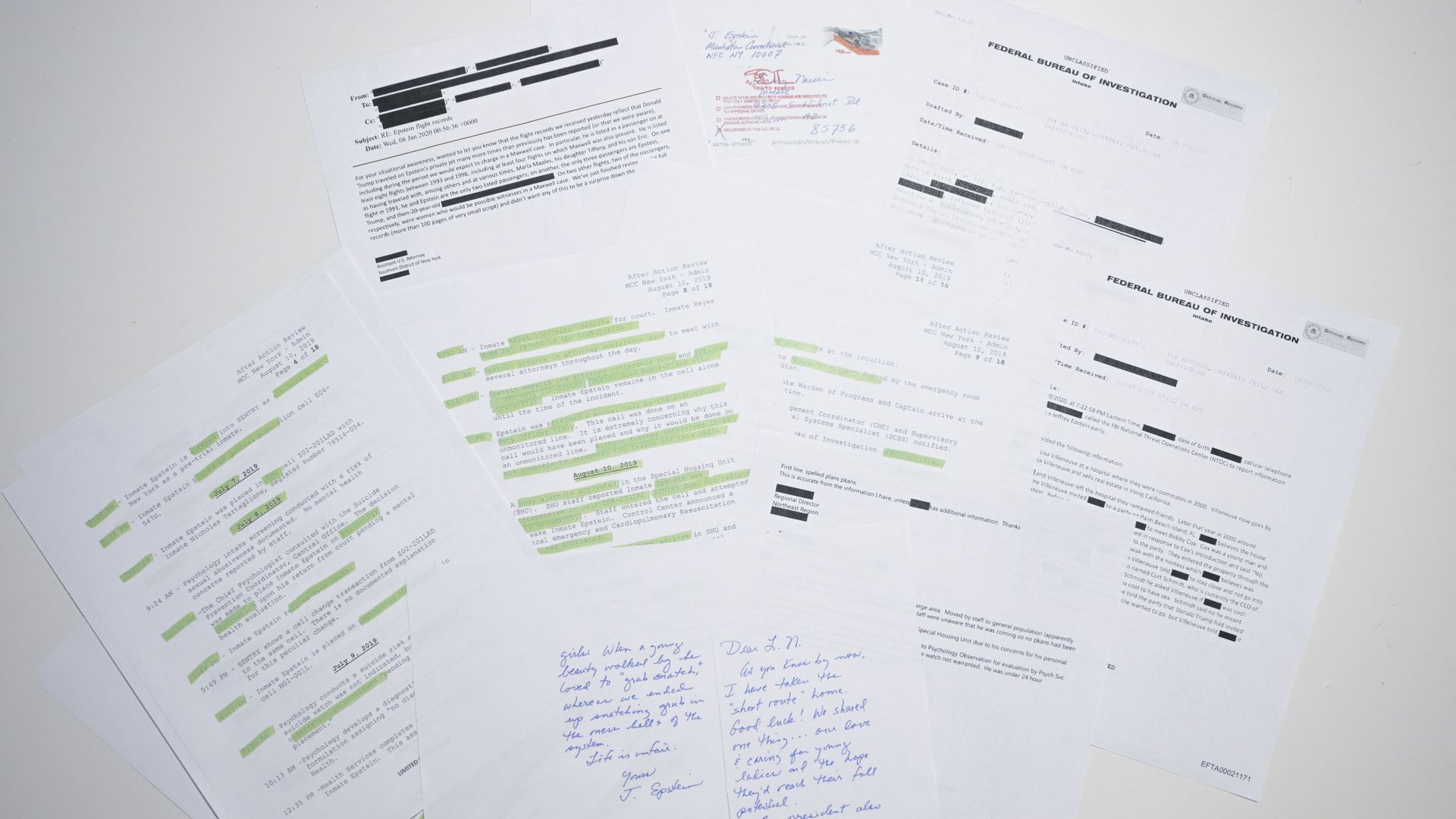
Newly released Department of Justice files have reopened a conversation many believed was already settled. The documents reference multiple alleged co-conspirators and outline FBI tips that paint a far more complicated picture than the one presented in Patel’s testimony.
Among the materials is a report in which a woman alleged she was assaulted by Epstein and another powerful figure. The filings do not declare guilt, but they raise a question that cannot be ignored: how could sworn testimony dismiss evidence that now appears plainly documented?
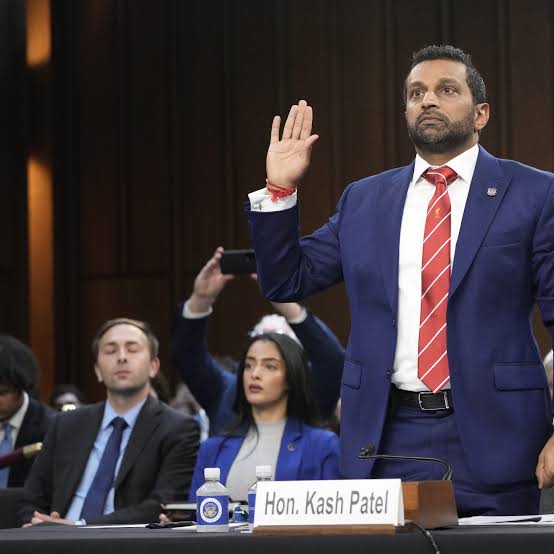
This is where scrutiny intensifies. Patel was not speaking casually; he was under oath. His words were not commentary but testimony.
Critics argue that such a dismissal suggests one of two troubling possibilities — either the evidence was never thoroughly reviewed, or it was reviewed and disregarded.
In either scenario, the implications are serious. The FBI is built on the premise that no lead is too small when allegations involve abuse, trafficking, and systemic protection of power.
Supporters of Patel argue that raw tips and references in files do not equal verified conclusions, and they are right on one point: allegations require investigation, not assumption.
But that defense also deepens the concern. If investigations were still warranted, why present the matter as if credible evidence did not exist at all? Law enforcement leaders are expected to speak with precision, especially when the subject involves victims who have already waited years for answers.
The controversy has reignited broader frustrations surrounding the Epstein case itself. For many Americans, the issue is no longer just about one financier or one network, but about institutions that repeatedly promised transparency and accountability, only to deliver partial truths.
Every contradiction fuels the belief that the full story has yet to be told — and that powerful interests remain shielded by technical language and procedural ambiguity.
Victim advocates have been especially vocal in response to the renewed attention. They argue that dismissive testimony does real harm, not just symbolically but practically.
When leaders minimize unresolved evidence, it sends a message that some voices matter less than others. For survivors, credibility is not an abstract concept; it is the difference between justice delayed and justice denied.
As analysts pore over the newly released documents, attention has shifted to what was not addressed in Patel’s testimony. Entire sections of the filings were never mentioned publicly. Names, timelines, and corroborating notes sit quietly in official records, raising questions about what else may surface as scrutiny deepens.
Each page adds weight to the argument that the public narrative and the documented record are drifting further apart.
And that gap is where this story now lives — between sworn words and written files, between institutional authority and unresolved claims.
Because hidden in the documents is one overlooked detail investigators are only beginning to examine, and once it’s fully understood, it may force a reckoning far bigger than a viral video ever suggested.

10 MINUTES AGO: Washington in Panic as President Donald Trump Shot Again While Exiting the White House and Urgently Rushed to the Hospital – Is This a Stunt to Distract from the Epstein Files? Here Are the Full Details

Furious Rep Melanie Stansbury Takes a Bold Move against Trump and his Associates in the Epstein Files after her recent interview, but she might not be safe after this move

BREAKING: Bad Bunny Files Stunning $500 Million Lawsuit Against Donald Trump, Claiming The President’s Super Bowl LX Halftime Remarks Were Made With “Actual Malice” and it’s Causing Severe Reputation Damage

Travis Kelce and Taylor Swift Turn Heads After Appearing at NFL Honors, and Fans Can’t Stop Talking About Taylor’s Unusually Elegant Silver Mini Dress… See Photos

Travis Kelce admitted to cheating on fiance Taylor Swift’s because…

Taylor Swift calls off engagement and wedding plans with Ex Travis Kelce and reveals one shocking reason why

“Why am I being dragged into this?”: Travis Kelce frustrated as Taylor Swift parents stops him from getting married to their daughter because of Austin

“Travis Has Crossed the Line” — Taylor Swift Breaks Her Silence and Reveals What Travis Kelce Did That She Says She Will Never Forgive

Taylor Swift Announces Her Mom and Dad Are Divorcing, Then Says “Travis and I Are No…” — Full Details

Taylor Swift Secretly Bought the Kansas City Chiefs for $14 Billion — Sources Say She Did It to “Protect Travis’s Legacy”

JUST IN: House Democrats are said to be only five votes short of moving forward with Trump’s impeachment, as political pressure rises and a single vote could shift the outcome in Washington.
