
NEWS
Stephen Miller called the victim, an ICU nurse at the VA filming ICE, a “domestic terrorist who tried to assassinate federal law enforcement.” Greg Bovino said he “wanted to massacre law enforcement.” You saw the videos. How can any Republican not call for their resignations?

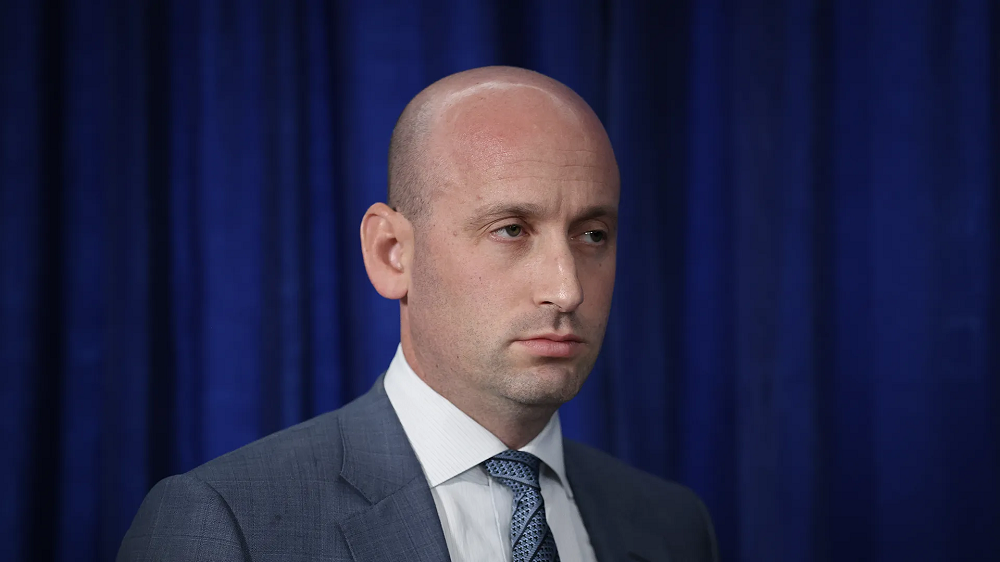
Stephen Miller’s reaction to the killing of an ICU nurse filming ICE has ignited a firestorm that goes far beyond partisan politics and into the core question of truth, responsibility, and moral leadership in moments of national crisis.
The victim was an ICU nurse at a Veterans Affairs hospital. A medical professional. Someone whose daily work involved saving lives, not threatening them. He was filming an ICE operation when federal agents shot and killed him. Within hours, before any independent investigation had been completed and while video evidence was already circulating online, Stephen Miller publicly labeled the victim a domestic terrorist who tried to assassinate federal law enforcement. Another federal official, Greg Bovino, went even further, claiming the man wanted to massacre law enforcement.
Those are not small words. They are among the most serious accusations that can be leveled against a person, especially one who can no longer defend himself. They shape public opinion instantly. They harden narratives. And once said, they cannot be taken back.
What has fueled public outrage is not only the severity of the language, but how starkly it clashes with what millions of Americans say they saw with their own eyes. Videos from the scene show the nurse holding a phone, not aiming a weapon. They show him filming, not charging. They show chaos and confusion, but not the intent to assassinate or massacre. For many viewers, the footage raises serious questions about the official story and makes the immediate rush to label the victim a terrorist feel not just premature, but reckless.
This is where the controversy deepens. When powerful government figures speak, their words carry authority. When those words paint a dead civilian as a violent extremist before the facts are fully established, they risk doing irreversible damage. They influence investigators, juries, media coverage, and public perception. They also send a message that the government has already decided who was guilty and who was justified.
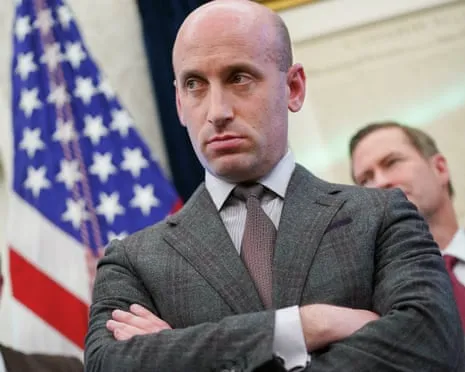
Critics argue that this is not simply about one tragic incident, but about a pattern. A pattern of using extreme rhetoric to dehumanize individuals, shut down scrutiny, and deflect accountability. In this view, calling the victim a domestic terrorist serves a political purpose. It reframes the shooting as heroism rather than something that needs to be questioned. It discourages empathy. It warns others not to challenge federal authority, even with a camera.
That is why many are asking a pointed question. How can any Republican who claims to value law and order, due process, and personal responsibility remain silent? If accountability matters, it must apply even when the accused wears a suit and holds power. Resignation calls are not about vengeance. They are about standards. About whether public officials are expected to speak truthfully and responsibly, especially when a life has been lost.
Supporters of Miller argue that federal agents operate in dangerous conditions and that officials are right to defend them. But defending law enforcement does not require making absolute claims that are disputed by video evidence and untested by investigation. It does not require condemning a dead man as a terrorist before the facts are known. There is a difference between standing with officers and preemptively closing the door on accountability.
At its core, this controversy is about trust. Trust in government. Trust in institutions. Trust that when force is used, the truth will be told plainly and without exaggeration. When officials appear to distort reality or rush to extreme labels, that trust erodes.
The question now facing Republicans is not just political, but moral. Do they accept these statements as appropriate conduct from senior figures, or do they draw a line and say this went too far? Silence, to many Americans, increasingly looks like approval.
In moments like this, leadership is revealed not by who you protect, but by whether you are willing to demand honesty and restraint from your own side. The videos exist. The questions remain unanswered. And until accountability is taken seriously, the outrage surrounding these comments is unlikely to fade.



10 MINUTES AGO: Washington in Panic as President Donald Trump Shot Again While Exiting the White House and Urgently Rushed to the Hospital – Is This a Stunt to Distract from the Epstein Files? Here Are the Full Details

Furious Rep Melanie Stansbury Takes a Bold Move against Trump and his Associates in the Epstein Files after her recent interview, but she might not be safe after this move

BREAKING: Bad Bunny Files Stunning $500 Million Lawsuit Against Donald Trump, Claiming The President’s Super Bowl LX Halftime Remarks Were Made With “Actual Malice” and it’s Causing Severe Reputation Damage

Travis Kelce and Taylor Swift Turn Heads After Appearing at NFL Honors, and Fans Can’t Stop Talking About Taylor’s Unusually Elegant Silver Mini Dress… See Photos

Travis Kelce admitted to cheating on fiance Taylor Swift’s because…

Taylor Swift calls off engagement and wedding plans with Ex Travis Kelce and reveals one shocking reason why

“Why am I being dragged into this?”: Travis Kelce frustrated as Taylor Swift parents stops him from getting married to their daughter because of Austin

“Travis Has Crossed the Line” — Taylor Swift Breaks Her Silence and Reveals What Travis Kelce Did That She Says She Will Never Forgive

Taylor Swift Announces Her Mom and Dad Are Divorcing, Then Says “Travis and I Are No…” — Full Details

Taylor Swift Secretly Bought the Kansas City Chiefs for $14 Billion — Sources Say She Did It to “Protect Travis’s Legacy”

JUST IN: House Democrats are said to be only five votes short of moving forward with Trump’s impeachment, as political pressure rises and a single vote could shift the outcome in Washington.
