
NEWS
BREAKING: Protesters are reportedly calling the ICE hotline all day and playing audio from the Nuremberg trials for whoever picks up.


Something unusual is happening on the other end of the phone line.
Throughout the day, protesters across the country are reportedly calling the ICE hotline nonstop. But instead of shouting, threatening, or hanging up, callers are said to be playing recorded audio from the Nuremberg trials — the historic proceedings that held Nazi officials accountable after World War II. Whoever answers the line is met not with anger, but with courtroom testimony, solemn voices, and reminders of what happens when authority goes unquestioned.
The tactic is as unsettling as it is symbolic.
According to people familiar with the calls, the recordings are played calmly and deliberately. No commentary. No explanation. Just history, piped directly into a federal hotline meant for immigration enforcement. The message, protesters say, is not hidden. It is meant to force those listening to confront uncomfortable parallels about power, obedience, and moral responsibility.
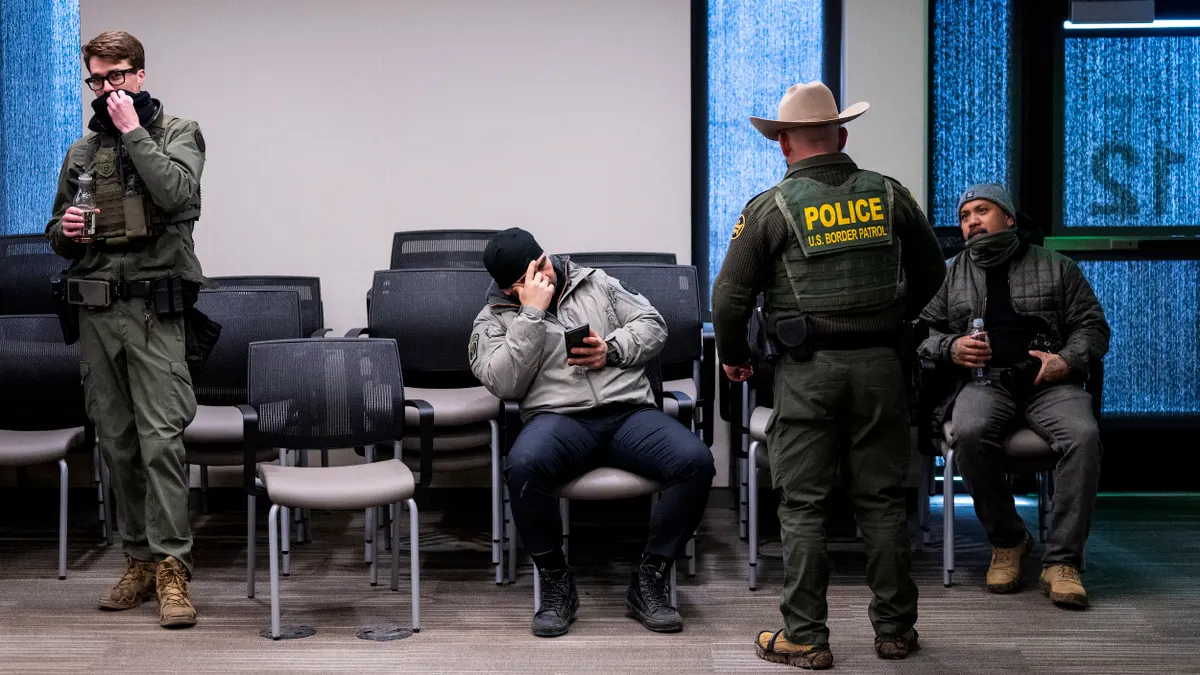
The hotline itself is typically used for tips, enforcement coordination, and public reports. But today, operators are reportedly fielding call after call that turns the line into something closer to a history lesson than a reporting tool. Each call may last only a minute or two before ending, but they keep coming. All day. From different numbers. From different places.
This form of protest marks a sharp escalation in tone, arriving amid rising national anger over aggressive immigration enforcement and recent incidents involving federal officers. Demonstrations have already filled streets in multiple cities, but activists appear to be shifting tactics — moving from physical spaces into symbolic ones.
Instead of chants, they are using memory.
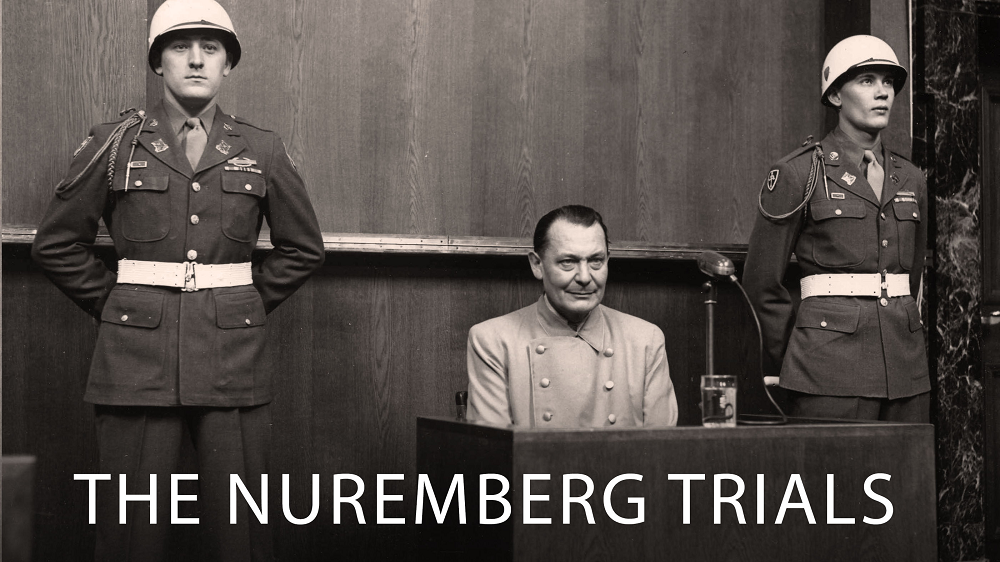
Supporters of the protest say the Nuremberg trials are not being used lightly. To them, the recordings represent a warning from history about how systems of power can normalize actions that later generations struggle to justify. They argue that playing this audio is not harassment, but confrontation — forcing listeners to sit with history rather than dismiss criticism as noise.
Critics strongly disagree.
Some officials and commentators have condemned the calls as inappropriate and disruptive, arguing that federal employees should not be subjected to what they see as implicit accusations. They warn that tying modern law enforcement to historic atrocities crosses a line and inflames tensions at a moment when tempers are already high.
Yet the calls continue.

What makes this protest so striking is its quietness. There are no viral videos of chaos inside the call centers. No shouting matches. Just the eerie stillness of recorded voices from decades ago, echoing through headsets in the present. For some operators, it may be the first time they’ve heard those words at all. For others, the context makes them impossible to ignore.
The protest also reflects a broader shift in how activism is evolving. As public demonstrations face heavier policing and stricter controls, activists are increasingly targeting systems instead of spaces. Hotlines, inboxes, and bureaucratic processes are becoming battlegrounds — places where symbolic resistance can’t be easily dispersed.
Whether the tactic will have any practical impact remains unclear. ICE has not publicly commented on the calls, and it’s unknown whether the hotline will be rerouted, filtered, or temporarily shut down. But even if the calls stop tomorrow, the moment has already left its mark.
Because this protest wasn’t designed to persuade. It was designed to unsettle.
By invoking one of history’s most serious reckonings, protesters are asking a question without ever saying it out loud: when people look back on this era, what will they hear? Orders being followed — or warnings that were ignored?
For now, the phones keep ringing. And on the other end of the line, history keeps speaking.







10 MINUTES AGO: Washington in Panic as President Donald Trump Shot Again While Exiting the White House and Urgently Rushed to the Hospital – Is This a Stunt to Distract from the Epstein Files? Here Are the Full Details

Furious Rep Melanie Stansbury Takes a Bold Move against Trump and his Associates in the Epstein Files after her recent interview, but she might not be safe after this move

BREAKING: Bad Bunny Files Stunning $500 Million Lawsuit Against Donald Trump, Claiming The President’s Super Bowl LX Halftime Remarks Were Made With “Actual Malice” and it’s Causing Severe Reputation Damage

Travis Kelce and Taylor Swift Turn Heads After Appearing at NFL Honors, and Fans Can’t Stop Talking About Taylor’s Unusually Elegant Silver Mini Dress… See Photos

Travis Kelce admitted to cheating on fiance Taylor Swift’s because…

Taylor Swift calls off engagement and wedding plans with Ex Travis Kelce and reveals one shocking reason why

“Why am I being dragged into this?”: Travis Kelce frustrated as Taylor Swift parents stops him from getting married to their daughter because of Austin

“Travis Has Crossed the Line” — Taylor Swift Breaks Her Silence and Reveals What Travis Kelce Did That She Says She Will Never Forgive

Taylor Swift Announces Her Mom and Dad Are Divorcing, Then Says “Travis and I Are No…” — Full Details

Taylor Swift Secretly Bought the Kansas City Chiefs for $14 Billion — Sources Say She Did It to “Protect Travis’s Legacy”

JUST IN: House Democrats are said to be only five votes short of moving forward with Trump’s impeachment, as political pressure rises and a single vote could shift the outcome in Washington.
