
NEWS
BREAKING: ICE officials are reportedly worried blue state cops and prosecutors will begin arresting and charging ICE agents, and local juries will be very unkind to them and hold them accountable for their actions.

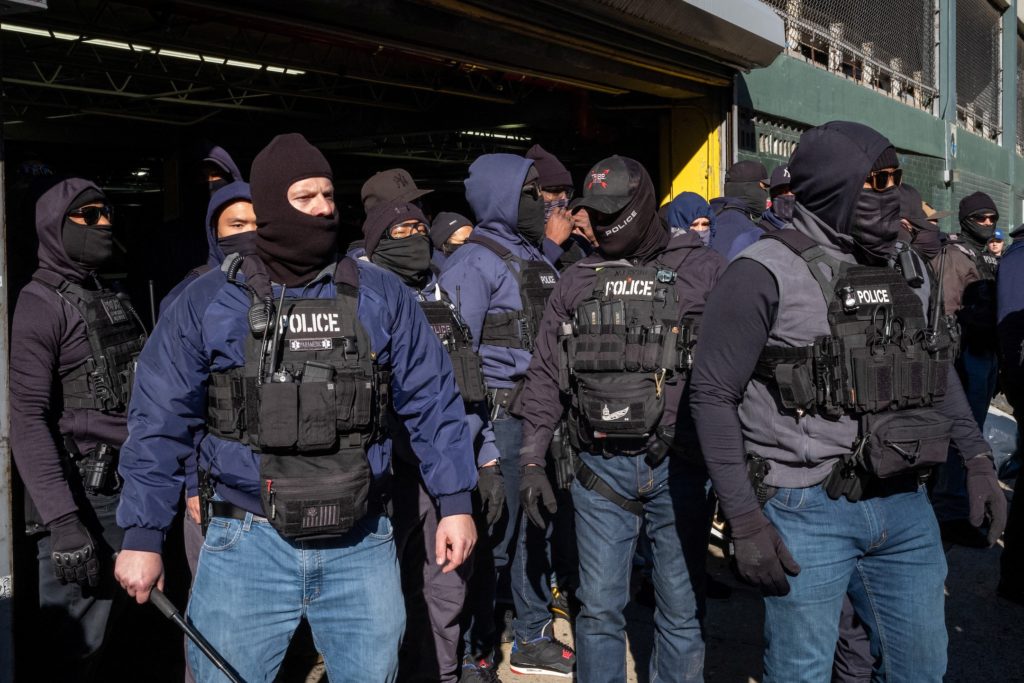
The anxiety inside federal immigration enforcement agencies is real — and it’s growing.
Amid a rapidly escalating national crisis over federal immigration enforcement tactics, officials within U.S. Immigration and Customs Enforcement (ICE) are reportedly expressing deep concern that state and local law enforcement officers and prosecutors in traditionally Democratic-led cities may eventually begin arresting and charging ICE agents for actions taken during enforcement operations. In some areas, the fear isn’t just about investigations or public criticism — it’s about the possibility that local juries could be “very unkind” to federal agents who stand trial, potentially holding them criminally accountable for actions while carrying out their duties.
This fear didn’t emerge overnight. It has been building at the intersection of a series of high-profile deadly encounters involving federal immigration agents and growing mistrust among local communities and officials in cities like Minneapolis, where protests and legal disputes have erupted in recent weeks.
The turning point came earlier this month when multiple federal immigration officers were involved in shootings during enforcement operations in Minneapolis. Two incidents in particular — one in which a woman was fatally shot, and another that wounded an individual — set off a firestorm of outrage, deepening distrust between local leaders, residents, and federal authorities. State prosecutors immediately signaled they intended to seek independent investigations and preserve evidence after being cut out of federal inquiries, a dramatic jurisdictional clash that highlighted unresolved questions about accountability and oversight.
In Minnesota, state and local prosecutors moved to collect and preserve evidence independently after federal authorities excluded them from the FBI-led investigation into the killing of a woman by an ICE agent. That decision fueled sharp criticism from local leaders, who argued that blocking state involvement undermines transparency and public trust. Prosecutors there are now exploring legal options to ensure that any potential criminal charges could proceed at the state level if federal processes do not deliver accountability.
This ongoing conflict — in which federal agents assert immunity tied to their duties while local officials push back — has created a perfect legal storm. In normal circumstances, federal officers acting within the scope of their duties are often protected from state prosecution under doctrines rooted in the Constitution’s Supremacy Clause. But legal experts say that immunity is not absolute. If state prosecutors were to build a case showing that actions by federal agents were outside the scope of lawful authority or violated fundamental rights, those protections might not stand, especially in the eyes of a sympathetic jury.
It’s this prospect — state juries hearing cases against federal agents — that has officials inside ICE visibly unsettled. In cities where skepticism of federal immigration policy runs deep, there is concern that local law enforcement and civic leaders may pursue charges if they believe federal agents crossed legal boundaries. Such charges could range from excessive use of force to other criminal allegations, and juries in those jurisdictions could reflect local sentiment that is fiercely critical of federal immigration enforcement.
Across the country, local officials have increasingly criticized aggressive federal immigration operations, with protests spreading through major cities and calls for investigations intensifying. In Minneapolis, public protests have continued after the fatal shootings, with community leaders calling for de-escalation and accountability. In some states, attorneys general and county prosecutors are openly discussing legal strategies to hold federal agents accountable for actions taken during enforcement.
The political landscape has only heightened these tensions. Nationally, lawmakers have debated consequences for top federal officials in charge of these operations — including discussions about impeaching or removing senior leadership under the Department of Homeland Security. At the same time, civil liberties advocates and voters in Democratic-leaning states have raised concerns about federal power, civil rights, and the lack of clear mechanisms for holding federal agents accountable at the local level.
For ICE agents on the ground, the situation has become increasingly uneasy. Conversations within enforcement circles reportedly now include speculation about what would happen if officers are no longer shielded by federal immunity or if state prosecutors successfully bring criminal charges against them. In some internal discussions, agents express fear that they could face hostile juries in cities where public opinion is overwhelmingly against the immigration policies they enforce.
That fear of legal exposure is more than theoretical. In Minneapolis, state prosecutors have taken the unusual step of preserving evidence independently after being blocked from the federal investigation, signaling they are preparing for all possibilities. Elsewhere, local officials have publicly stated they will pursue accountability for federal actions they view as unlawful, adding to the uncertainty ICE agents now face.
Whether local prosecutors will ultimately bring charges against federal agents remains unclear. The legal hurdles are significant, and federal courts often intervene to protect officers under longstanding doctrines. But as public scrutiny continues to mount and protests grow, the possibility that “blue state” cops and prosecutors could pursue legal action against ICE agents is now part of the national conversation.
What was once abstract speculation has in some minds become a very real fear — not just of criticism or protests, but of criminal accountability in state courts. And with local juries potentially deciding the fate of federal agents, the stakes in this national dispute over immigration enforcement have never felt higher.




10 MINUTES AGO: Washington in Panic as President Donald Trump Shot Again While Exiting the White House and Urgently Rushed to the Hospital – Is This a Stunt to Distract from the Epstein Files? Here Are the Full Details

Furious Rep Melanie Stansbury Takes a Bold Move against Trump and his Associates in the Epstein Files after her recent interview, but she might not be safe after this move

BREAKING: Bad Bunny Files Stunning $500 Million Lawsuit Against Donald Trump, Claiming The President’s Super Bowl LX Halftime Remarks Were Made With “Actual Malice” and it’s Causing Severe Reputation Damage

Travis Kelce and Taylor Swift Turn Heads After Appearing at NFL Honors, and Fans Can’t Stop Talking About Taylor’s Unusually Elegant Silver Mini Dress… See Photos

Travis Kelce admitted to cheating on fiance Taylor Swift’s because…

Taylor Swift calls off engagement and wedding plans with Ex Travis Kelce and reveals one shocking reason why

“Why am I being dragged into this?”: Travis Kelce frustrated as Taylor Swift parents stops him from getting married to their daughter because of Austin

“Travis Has Crossed the Line” — Taylor Swift Breaks Her Silence and Reveals What Travis Kelce Did That She Says She Will Never Forgive

Taylor Swift Announces Her Mom and Dad Are Divorcing, Then Says “Travis and I Are No…” — Full Details

Taylor Swift Secretly Bought the Kansas City Chiefs for $14 Billion — Sources Say She Did It to “Protect Travis’s Legacy”

JUST IN: House Democrats are said to be only five votes short of moving forward with Trump’s impeachment, as political pressure rises and a single vote could shift the outcome in Washington.
