
NEWS
BREAKING: California Just Hired the CDC Director RFK Jr. Fired for Upholding Scientific Integrity — Susan Monarez — to Lead a New Movement to Restore Trust in Public Health.

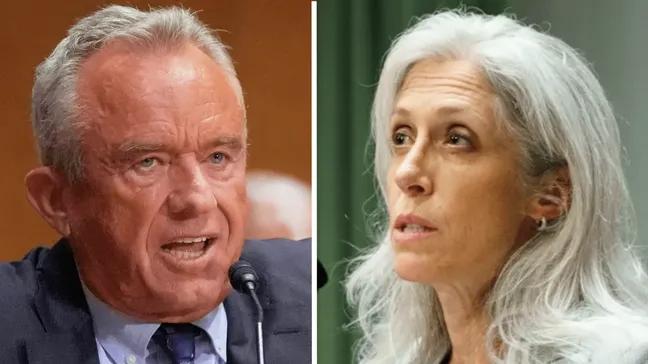
In a stunning move that sent shockwaves through U.S. health circles, California Governor Gavin Newsom has just tapped former CDC Director Dr. Susan Monarez — the very public health leader ousted earlier this year amid a bitter political and scientific clash in Washington — to help lead a new statewide initiative designed to restore trust in science and evidence-based health guidance.
For months, the U.S. Centers for Disease Control and Prevention (CDC), traditionally America’s most trusted scientific institution, has been roiled by internal battles over vaccine policy, scientific standards, and political interference. At the center of that storm was Monarez herself — a seasoned scientist whose brief tenure at the helm of the CDC ended abruptly after conflicts with Health and Human Services Secretary Robert F. Kennedy Jr. over both vaccine policy and scientific oversight.
Monarez took over as CDC director earlier in 2025 and was confirmed by the Senate, earning praise for her scientific credentials. But what was supposed to be a partnership focused on rebuilding public health trust quickly devolved into one of the most controversial public health disputes of the year.
According to her testimony before the U.S. Senate, Monarez was instructed by Kennedy to pre-approve vaccine policy recommendations from a re-constituted advisory panel without reviewing the underlying scientific evidence — a request she called “inconsistent with my oath of office.” She also testified that she was directed to fire career scientists who oversaw vaccine policy, a move she felt would undo decades of evidence-based public health work.
“In that meeting,” she told senators, “I was asked to approve every recommendation regardless of the science and to dismiss experts without cause.” When she refused, she said, the administration offered her a stark ultimatum: resign or be ousted. That moment marked a dramatic turning point — not just for Monarez, but for public confidence in federal health leadership.
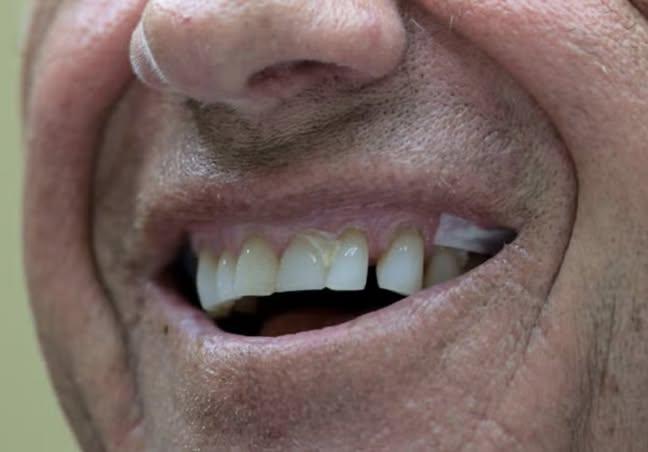
This is an actual photograph of the man (RFK Jr.) who’s leading the charge to remove fluoride from our water.
The fallout from Monarez’s firing didn’t stay contained inside CDC headquarters. Her departure triggered the resignation of several senior CDC scientists, public outcry from lawmakers on both sides of the aisle, and even talk of articles of impeachment against Kennedy by critics who felt his direction was undermining scientific integrity. Republican Representative Haley Stevens recently introduced formal impeachment charges accusing Kennedy of abuse of authority and “undermining public health” — allegations that reflect broader fears about political influence in health science. While the impeachment effort is unlikely to gain traction in the current Congress, it underscores the deep divisions now tied to federal health policy.
Monarez told senators she never sought a clash or wanted to be a political lightning rod. Instead, she framed her stance as a defense of basic scientific principles. “I could have kept the title,” she said, “but not my integrity.” Her critics — including figures close to Kennedy — disputed aspects of her account, calling into question her version of events or emphasizing managerial conflicts. Still, independent reporting and testimony from CDC veterans suggest a genuine crisis in how science and policy were being balanced within the nation’s top health agency.
Now, in an almost poetic reversal, California has chosen Monarez to help lead its own public health initiative — one that emphasizes trusted, transparent, science-based guidance rather than political factionalism. Governor Newsom, joined by health officials from Oregon, Washington, and Hawaii, has been building what they describe as a new West Coast Health Alliance — precisely to offer an alternative to federal guidance perceived by some as fractured and politicized. In his announcement, Newsom framed the decision as a stand for science and public trust. Monarez will serve as a strategic adviser, working to collaborate with academic partners, private researchers, and civic leaders to forge a path forward — one grounded in evidence and clarity.
Whether you see this as a dramatic showdown between politics and science or simply a heated policy disagreement, one thing is clear: public health in America has entered a volatile new phase. Debates over vaccine policy, leadership authority, and institutional trust are no longer confined to academic journals — they’re driving headlines, political action, and even grassroots advocacy. For many observers, California’s move to bring Monarez into a central role signals not just a symbolic rebuttal to her dismissal, but a powerful message about the importance of maintaining scientific independence in health policy. As debates heat up over the future of vaccination guidelines, data transparency, and federal leadership, Monarez’s story has become a focal point — and a rallying cry for those who fear that science cannot survive unmoored from evidence.

10 MINUTES AGO: Washington in Panic as President Donald Trump Shot Again While Exiting the White House and Urgently Rushed to the Hospital – Is This a Stunt to Distract from the Epstein Files? Here Are the Full Details

Furious Rep Melanie Stansbury Takes a Bold Move against Trump and his Associates in the Epstein Files after her recent interview, but she might not be safe after this move

BREAKING: Bad Bunny Files Stunning $500 Million Lawsuit Against Donald Trump, Claiming The President’s Super Bowl LX Halftime Remarks Were Made With “Actual Malice” and it’s Causing Severe Reputation Damage

Travis Kelce and Taylor Swift Turn Heads After Appearing at NFL Honors, and Fans Can’t Stop Talking About Taylor’s Unusually Elegant Silver Mini Dress… See Photos

Travis Kelce admitted to cheating on fiance Taylor Swift’s because…

Taylor Swift calls off engagement and wedding plans with Ex Travis Kelce and reveals one shocking reason why

“Why am I being dragged into this?”: Travis Kelce frustrated as Taylor Swift parents stops him from getting married to their daughter because of Austin

“Travis Has Crossed the Line” — Taylor Swift Breaks Her Silence and Reveals What Travis Kelce Did That She Says She Will Never Forgive

Taylor Swift Announces Her Mom and Dad Are Divorcing, Then Says “Travis and I Are No…” — Full Details

Taylor Swift Secretly Bought the Kansas City Chiefs for $14 Billion — Sources Say She Did It to “Protect Travis’s Legacy”

JUST IN: House Democrats are said to be only five votes short of moving forward with Trump’s impeachment, as political pressure rises and a single vote could shift the outcome in Washington.
