
NEWS
Pulitzer Prize Board just turned the tables on Trump. In his defamation lawsuit, they’re demanding his tax returns, financial records, even medical and prescription history if he’s claiming damages

The defamation lawsuit that Donald Trump filed against the Pulitzer Prize Board has suddenly turned into something very different from what many expected, with the board pushing back aggressively and demanding highly sensitive information from Trump as part of the legal process. Three years after Trump first sued Pulitzer board members over their refusal to rescind prestigious journalism awards given to The New York Times and The Washington Post for reporting on alleged ties between his 2016 campaign and Russia, the case has finally entered the discovery phase, where both sides exchange evidence and documents. The board’s lawyers have filed an unusually broad set of discovery requests that go far beyond typical document demands in defamation litigation, signaling a strategic effort to force Trump to substantiate his claims with hard evidence rather than broad assertions.
In filings submitted in Florida state court, the Pulitzer Prize Board and its legal teams made clear they want extensive access to Trump’s personal and professional records to test the merits of his lawsuit. Among the materials the board is seeking are all of Trump’s tax returns from 2015 to the present, including attachments, schedules, and worksheets, as well as any documents that show the full scope of his income, assets, liabilities, and financial holdings. These requests would normally be considered intrusive even in high‑stakes civil litigation, but the defendants argue they are relevant because Trump must prove he suffered measurable harm from the board’s statement and refusal to withdraw the awards in question. The board also wants evidence of any internal polling or reputation assessments Trump’s team may have conducted on his public image, along with records related to other defamation claims he has pursued against media companies over the years.
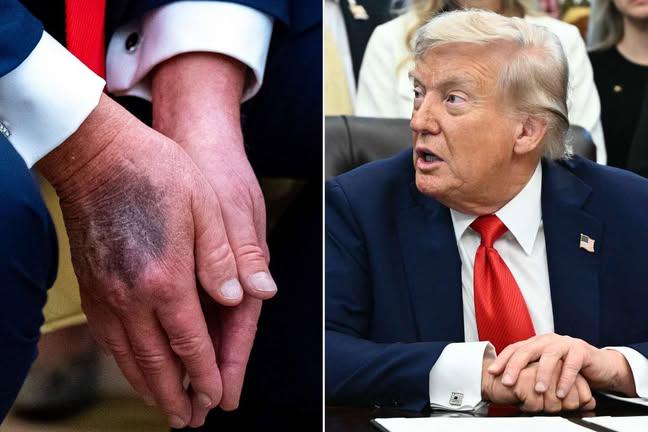
Perhaps the most striking and controversial part of the board’s discovery demands is the request for Trump’s medical and psychological records, including prescription medication history and documents relating to his annual physical examinations. The board’s filing made explicit that if Trump intends to seek damages for physical, mental, or emotional injury connected to the defamation counts in his complaint, he must provide all related health‑care records dating back to 2015. That kind of demand is virtually unheard of in defamation cases, especially involving a sitting president, and it puts Trump in the awkward position of deciding whether to comply with deeply personal disclosures or to assert objections and fight in court over what is and isn’t discoverable.
Sharp disagreements over discovery have already begun. The board’s filings give Trump 30 days to respond and raise any claims of privilege, requiring specific explanations if information is withheld. Trump’s legal team dismissed the board’s defense as an attempt to evade accountability and said the lawsuit is about correcting the “record” and vindicating Trump and his supporters against narratives he claims are false. Trump’s team characterized the case as part of a larger pushback against what they call “fake news” and attacks from “legacy media.”
The origins of this legal battle trace back to 2022, when Trump sued after the Pulitzer board refused to rescind the 2018 National Reporting prizes to The New York Times and The Washington Post. Trump had demanded the awards be withdrawn, arguing that the reporting they honored contained false or defamatory assertions about his campaign’s alleged collusion with Russia. The board conducted independent reviews of the contested journalism and concluded that none of the honored work was discredited by subsequent facts, effectively standing by its decision to award the prizes. That response triggered the lawsuit, which has been winding through Florida courts ever since, including unsuccessful attempts by board members to halt the case or keep it from proceeding while Trump is in office.
Legal experts watching the case note that the Pulitzer board’s discovery strategy is a classic defensive move in defamation litigation: rather than simply deny the claims, the defendants are forcing the plaintiff to show specifically how the challenged statements caused harm. By demanding substantial documentation of Trump’s finances and health history, the board may be seeking to show that Trump’s reputation and financial success have remained largely unaffected by the Pulitzer board’s actions, undermining his claims of damages. At the same time, the demands guarantee protracted legal battles over what the court deems relevant and permissible to disclose.
For Trump, this development represents a major escalation and an unexpected turn in his quest to hold the Pulitzer Prize Board accountable for what he sees as a grievous wrong. The case has already drawn attention for its unusual subject matter — the idea of suing a journalism award board for defamation — and now the intense focus on Trump’s tax, financial, and medical history ensures that it will remain a legal flashpoint with broader implications for how public figures can pursue defamation claims against media institutions and those who honor their work. As discovery unfolds, the courts will likely have to weigh in on the scope of permissible disclosure, with decisions that could shape how similar cases are handled in the future.













Taylor Swift and Travis Kelce Hold Hands Following Dinner Date Night in N.Y.C.

OMG!! Taylor Swift and Travis Kelce Finally Confirm That… See Full Details

Taylor Swift’s new song “Cleveland!” is a love letter to Travis Kelce… and a message to the haters!

Taylor Swift’s Sweetest Moment Steals the Spotlight as She Cheers for Husband Travis Kelce, Shouts “That’s My Husband,” Then Shares a Heartwarming Hug With Mama and Papa Kelce…See full video ⤵️

Taylor Swift’s Sweetest Postgame Moment Yet as She Runs Straight Into Husband Travis Kelce’s Arms After Chiefs-Colts Clash, Sharing a Hug and Celebrating Together on the Field after dramatic winner where Travis Scored a Touchdown .See full video … “

Kansas City Chiefs Announce They Will Cover Full Funeral Costs for Dillon, Isabella and 2-Year-Old Easton — Three Devoted Chiefs Fans Tragically Killed in Southeast Kansas House Fire 💔🏈 Details in the comment 👇

Taylor Swift Breaks NFL Protocol Again and Rushes to the Field to Celebrate, Hug, and Kiss Husband Travis Kelce After Chiefs’ Stunning 33–30 Overtime Win Over the Colts – Mom Andrea Swift Seen Chasing Her Daughter to Caution Her as Overexcited Taylor Couldn’t Hold Herself Back, While Patrick Mahomes Couldn’t Hold Back His Laughter… See the Full Never-Before-Seen Clip and Photos…

Taylor Swift Reveals Her Mom Is Facing Cancer Again: ‘I Give All of My Worry to Real Problems Now’

Travis Kelce Gives Fans a Glimpse Into His Family Vacation in St. Barts as Wife Taylor Swift Relaxes Under the Tent While He Shows Off His Unexpected Master-Chef Skills During a Fun-Filled Outdoor Cooking Moment..See the videos and photos

OMG!! Taylor Swift and Travis Kelce Finally Confirm That… See Full Details

“Taylor Swift went grocery shopping with Travis Kelce’s mom, Donna, and sister-in-law, Kylie. The pop star is already fitting right in with the family and is also looking like…See 10 Beautiful Photos
