
NEWS
Leavitt Accidentally EXPOSES Trump’s HEALTH SCARE

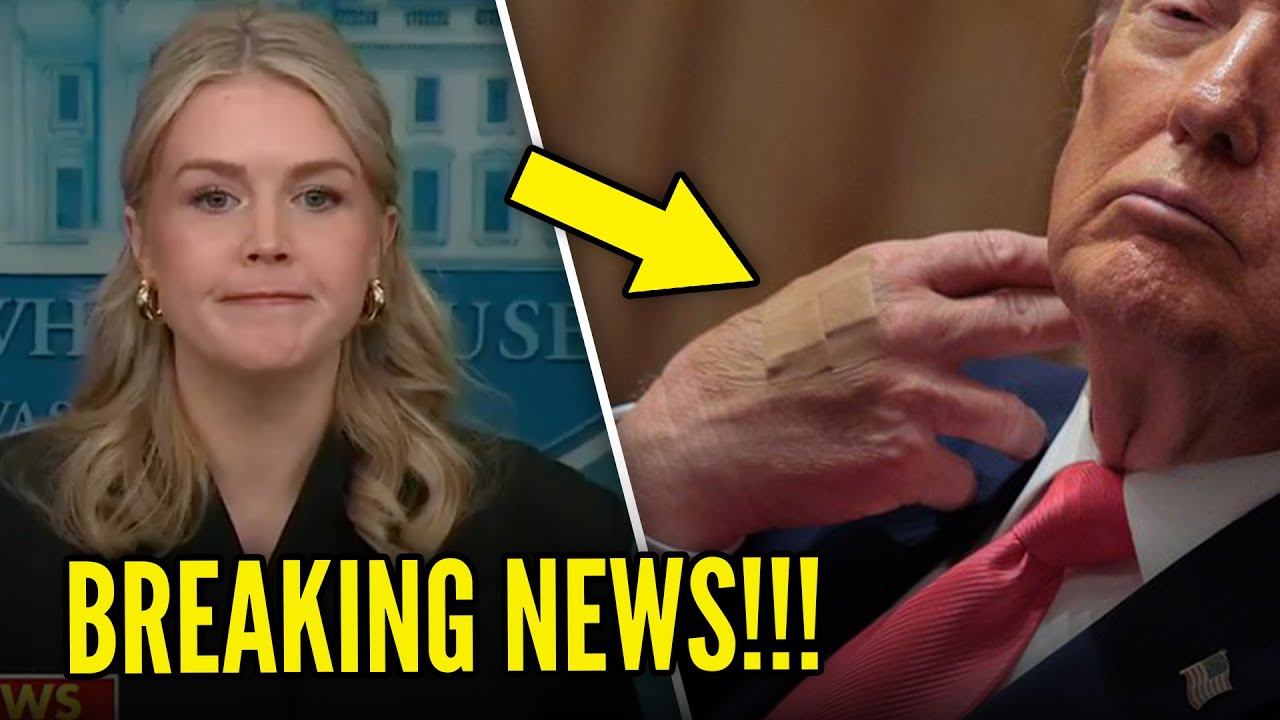
In a moment that caught the nation’s attention, White House Press Secretary Karoline Leavitt appears to have accidentally revealed more about President Donald Trump’s health than the administration ever intended. What began as a routine press briefing turned into a revelation that has sparked speculation, concern, and heated debate about the 79-year-old president’s physical condition.
During the briefing, reporters pressed Leavitt about Trump’s recent medical evaluations at Walter Reed National Military Medical Center. The administration has consistently insisted that the president is in excellent health, but when asked about specifics, particularly regarding an MRI scan, Leavitt faltered. Her vague explanation on the need for advanced imaging left questions unanswered and reporters more puzzled than reassured. The briefing ended abruptly, leaving the public to wonder why such a test was necessary.
While MRIs can be part of routine preventive care for older adults, they are usually performed for a specific reason. Experts note that imaging of this kind is often prompted by symptoms, such as neurological issues, cardiovascular concerns, or unexplained pain. The White House maintains that the results were perfect, yet the lack of clarity only fueled further speculation.
This isn’t the first time Trump’s health has drawn attention. Observers have noticed bruising on his hands and swelling in his ankles, which the administration initially attributed to vigorous handshakes and normal aging. More recently, Leavitt confirmed that Trump has chronic venous insufficiency, a condition that causes blood to pool in the legs. While typically benign, this acknowledgment marked the first official disclosure of a medical condition affecting the president’s daily life. Questions remain, however, about the mysterious MRI and the visible bruises, leaving many to wonder if there is more the public has yet to learn.
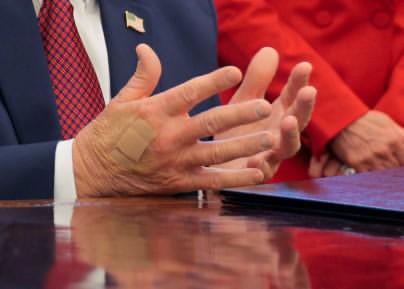
Photos shared and later removed by family members added to the intrigue, showing evidence of bruising that predated official statements. Social media attention intensified speculation, with critics suggesting that the administration may have tried to downplay or conceal aspects of the president’s health. Whether these concerns are warranted or exaggerated, the optics are undeniably damaging.
Trump himself has continued to assert that he is fully capable of leading, highlighting his performance on cognitive tests and noting favorable metrics from his physical exams. Yet the accidental revelation by Leavitt has made clear that questions about his stamina, resilience, and transparency are unavoidable. Analysts argue that vague reassurances are no longer enough for the leader of a superpower, and the public now expects more clarity.
The incident has left the White House in a delicate position. Every press appearance, every photo, and every medical disclosure will now be scrutinized with renewed intensity. Leavitt’s slip may have been unintentional, but it has shifted the narrative, creating doubt where the administration sought confidence. In the high-stakes environment of Trump’s presidency, even small missteps can ignite major controversies, and this revelation may have opened a chapter that is far from over.

Taylor Swift Reveals Her Mom Is Facing Cancer Again: ‘I Give All of My Worry to Real Problems Now’

Travis Kelce Gives Fans a Glimpse Into His Family Vacation in St. Barts as Wife Taylor Swift Relaxes Under the Tent While He Shows Off His Unexpected Master-Chef Skills During a Fun-Filled Outdoor Cooking Moment..See the videos and photos

OMG!! Taylor Swift and Travis Kelce Finally Confirm That… See Full Details

“Taylor Swift went grocery shopping with Travis Kelce’s mom, Donna, and sister-in-law, Kylie. The pop star is already fitting right in with the family and is also looking like…See 10 Beautiful Photos

Taylor Swift and Travis Kelce Melt Hearts With a Sweet Garden Embrace and Playful Barefoot Dance, Giving Fans a Rare Glimpse Into Their Fun-Filled, Romantic Married Life as They Unwind Together Before the Kansas City Chiefs’ Big Game

TAYLOR SWIFT AND TRAVIS KELCE’S QUIET POST-GAME MOMENT MELTS HEARTS! After the NFL Game, the Couple Retreats to a Peaceful Private Setting, Sharing a Tender Kiss and Sweet Glances Through the Window as They Simply Enjoy Being Close to Each Other..

Looks Like His Wife Dresses Him’ — Fans Sense Taylor Swift in Travis Kelce’s Stylish Outfit for Chiefs Preseason Game 1

Taylor Swift and Brittany Mahomes plan to surprise their husbands and to support their game tonight…

NO LONGER THE RUMOR: Just one hour ago, Travis Kelce dropped the long-awaited announcement we’ve all been hoping for…

Travis Kelce flashes his wedding ring as he arrives for first Chiefs game tonight since marrying Taylor Swift… but his new wife is not spotted in the stands…

Travis Kelce Spotted on a Stroll With Wife Taylor Swift and a Baby Bump Just Weeks After Their Wedding, and Fans Are All Saying the Same Thing… See the Photos
