
NEWS
MAJOR BREAKING: Senate passes bill banning law enforcement from wearing masks, includes ICE agents

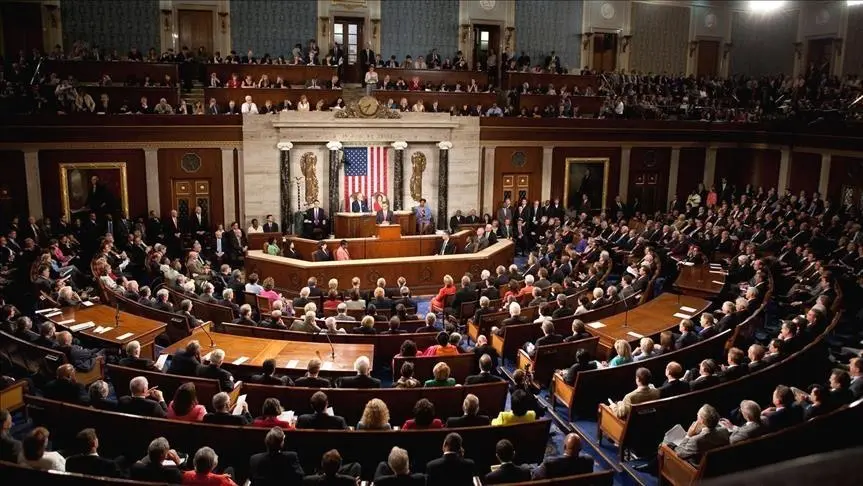
In a move that has sparked nationwide debate, the Washington State Senate has passed a bill prohibiting law enforcement officers, including federal ICE agents, from wearing masks while performing public duties. The legislation, hailed by supporters as a measure to increase transparency and accountability, has also drawn sharp criticism from law enforcement officials and legal experts who warn of potential conflicts with federal authority and operational safety concerns. According to reports, the bill seeks to eliminate opaque face coverings such as balaclavas, ski masks, and other gear that obscure officers’ identities during public interactions. Advocates argue that masking erodes public trust and makes it difficult for community members to identify the individuals enforcing the law, while opponents insist that such restrictions could endanger officers and complicate sensitive operations.
Proponents of the measure have emphasized that the law is meant to ensure accountability and reinforce public confidence, especially in high-stakes situations where citizens interact with law enforcement. By requiring visible identification, including badges and agency labels, lawmakers hope to prevent incidents of impersonation and abuse of authority. The bill reportedly allows limited exceptions for undercover operations, medical protective equipment, and tactical necessities, but the general prohibition is broad enough to encompass daily patrols and public interactions. Supporters insist that law enforcement, no matter how powerful or federal in scope, must be subject to the same basic rules that apply to ordinary citizens.
Critics, however, have raised constitutional and practical concerns, arguing that states cannot easily regulate the conduct of federal agents such as ICE officers. Legal scholars have pointed to the Supremacy Clause, which can render state laws unenforceable against federal personnel, creating a potential clash between state and federal authorities. Law enforcement representatives also caution that masks can be necessary for officer safety, particularly in situations involving credible threats or undercover work. Questions remain about how the law would be enforced if federal agents choose to ignore the mandate, and whether civil litigation could become a tool for challenging the conduct of those who refuse to comply.
The passage of the bill comes amid broader national debates over policing, immigration enforcement, and public accountability. In recent years, public concern has grown over the use of anonymity in law enforcement operations, particularly when federal agents are involved in high-profile immigration raids or confrontations. Many see the legislation as an attempt to assert state authority and protect communities by ensuring that law enforcement officers are fully identifiable at all times. Others view it as a politically charged measure that risks escalating tensions between state governments and federal agencies.
As the bill moves to the House of Representatives for approval and eventual consideration by the governor, the eyes of lawmakers, legal experts, and advocacy groups are closely watching the unfolding situation. If signed into law, Washington could become one of the few states to impose such strict regulations on law enforcement identity and appearance. Beyond the immediate legal implications, the measure has ignited a broader discussion about the balance between transparency, accountability, and the practical demands of policing. The debate underscores the growing challenge of reconciling public trust with the operational needs of law enforcement in a nation already grappling with polarization and heightened scrutiny of government power.
At its core, the bill is as much symbolic as it is practical, representing an assertion of community oversight and a push for clear lines of accountability. Whether it will withstand legal challenges or reshape law enforcement practices remains uncertain, but it has already highlighted the growing tension between local governance, federal authority, and public expectations for openness in policing. The streets of Washington may soon become the testing ground for a broader national conversation about the role of anonymity, visibility, and trust in law enforcement, and the outcome could influence debates in other states considering similar legislation.

Taylor Swift Reveals Her Mom Is Facing Cancer Again: ‘I Give All of My Worry to Real Problems Now’

Travis Kelce Gives Fans a Glimpse Into His Family Vacation in St. Barts as Wife Taylor Swift Relaxes Under the Tent While He Shows Off His Unexpected Master-Chef Skills During a Fun-Filled Outdoor Cooking Moment..See the videos and photos

OMG!! Taylor Swift and Travis Kelce Finally Confirm That… See Full Details

“Taylor Swift went grocery shopping with Travis Kelce’s mom, Donna, and sister-in-law, Kylie. The pop star is already fitting right in with the family and is also looking like…See 10 Beautiful Photos

Taylor Swift and Travis Kelce Melt Hearts With a Sweet Garden Embrace and Playful Barefoot Dance, Giving Fans a Rare Glimpse Into Their Fun-Filled, Romantic Married Life as They Unwind Together Before the Kansas City Chiefs’ Big Game

TAYLOR SWIFT AND TRAVIS KELCE’S QUIET POST-GAME MOMENT MELTS HEARTS! After the NFL Game, the Couple Retreats to a Peaceful Private Setting, Sharing a Tender Kiss and Sweet Glances Through the Window as They Simply Enjoy Being Close to Each Other..

Looks Like His Wife Dresses Him’ — Fans Sense Taylor Swift in Travis Kelce’s Stylish Outfit for Chiefs Preseason Game 1

Taylor Swift and Brittany Mahomes plan to surprise their husbands and to support their game tonight…

NO LONGER THE RUMOR: Just one hour ago, Travis Kelce dropped the long-awaited announcement we’ve all been hoping for…

Travis Kelce flashes his wedding ring as he arrives for first Chiefs game tonight since marrying Taylor Swift… but his new wife is not spotted in the stands…

Travis Kelce Spotted on a Stroll With Wife Taylor Swift and a Baby Bump Just Weeks After Their Wedding, and Fans Are All Saying the Same Thing… See the Photos
