
NEWS
BREAKING: ICE officials are reportedly mad that tow companies in Minneapolis keep towing ICE vehicles, but the tow truck drivers keep shrugging and saying, “If you all refuse to identify yourselves, it’s impossible for us to tell which vehicles are yours, isn’t it?”

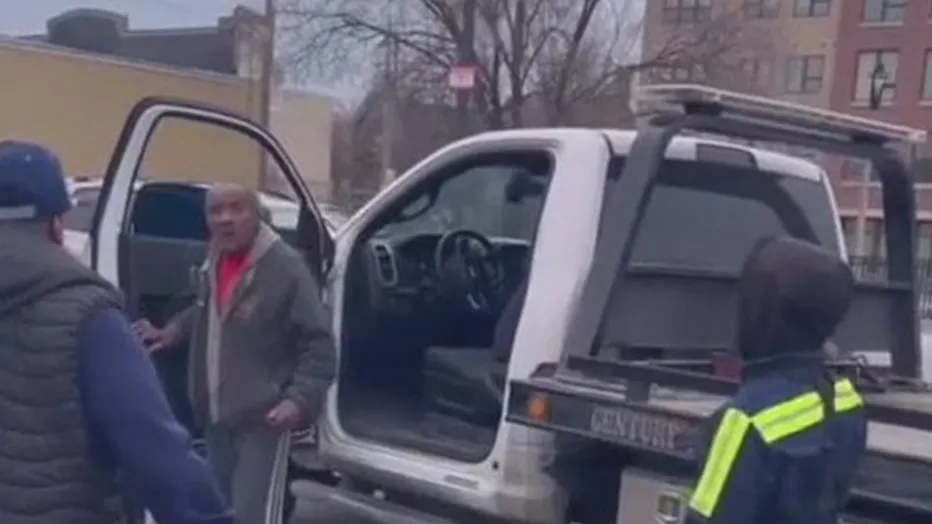
In Minneapolis, where tensions between federal immigration enforcement and local residents have been running high, a curious and almost surreal conflict has erupted over something as ordinary as tow trucks. According to numerous firsthand accounts and social media reports circulating among Minneapolis residents, tow truck drivers have been towing vehicles believed to belong to ICE — U.S. Immigration and Customs Enforcement — because the drivers simply cannot tell which vehicles are federal and which are not. Tow drivers shrug when asked to explain their actions, pointing out that when officials refuse to clearly identify which cars belong to their agency, there’s no reliable way for them to steer clear. The result has been an odd standoff in the icy streets of a city already under strain.
This phenomenon is being fueled by the fact that many of the vehicles associated with federal agents are unmarked or indistinct. Observers and community patrol groups tracking ICE movements have noted that many of these vehicles blend in with ordinary traffic — black SUVs, pickup trucks and vans with out-of-state plates or no visible government insignia at all. Locals who try to monitor federal activity rely on informal methods, like crowdsourced lists of license plate numbers and visual observations, to identify suspected ICE vehicles. Without obvious markings or official badges, even experienced drivers find it nearly impossible to know for sure which vehicles belong to federal agents and which do not. Drivers who tow cars say they are simply removing what appears to be abandoned or illegally parked vehicles, unaware that they may be stirring political controversy.
News of the tows has reportedly angered some ICE officials, who see it as obstruction or disrespect toward federal operations in the city. Federal agents operating in Minneapolis as part of a large and highly contentious immigration enforcement surge have already been the focus of national attention after multiple violent encounters, including the fatal shooting of a local woman by an ICE agent, which deeply inflamed community tensions and drew sharp criticism from city officials and residents alike. In that context, having their vehicles towed — sometimes repeatedly — is being framed by some in federal circles as yet one more example of resistance to their presence.

Local sentiment, meanwhile, is shaped by frustration, fear and a palpable lack of trust. Years of confrontations with federal officers, and widely shared videos of aggressive interactions, have left many Minneapolis residents wary of ICE operations. Community patrol groups and rapid response networks work to document federal movements and encourage residents to alert one another to potential enforcement activity. In some cases, this has led to chains of communication that make it difficult to distinguish between legitimate law enforcement vehicles and everyday traffic. The confusion is compounded when agents switch license plates or use unmarked cars, leaving tow drivers — and the public — unsure of what they’re looking at.
Tow truck drivers have become inadvertent players in this dynamic. When asked, many of them respond with bewilderment: if law enforcement does not clearly mark its vehicles, how are they expected to know which ones to avoid? That simple question underscores the broader challenge of operating federal enforcement actions within a community that feels alienated and under siege.
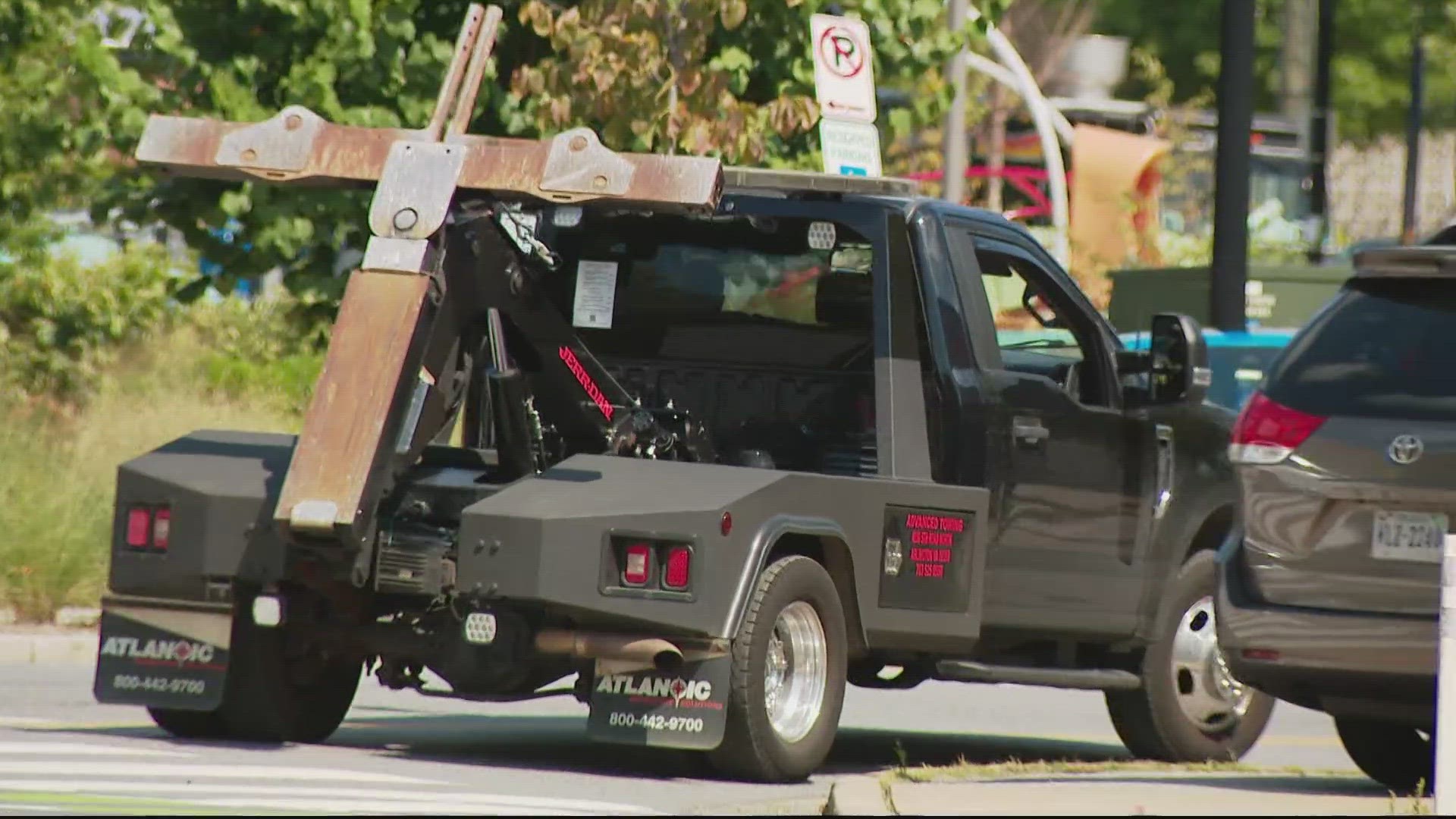
For ICE, the frustration is real. Every towed vehicle represents lost time and a logistical headache. But the deeper issue is symbolic: it reflects a breakdown in communication and cooperation between federal agents and local residents. In a city already reeling from high-profile police violence and deep distrust of law enforcement, this kind of everyday friction has become amplified into a political statement. Vehicles on wheels have turned into symbols of occupation for some, and targets for everyday civic resistance for others.
Whether this unusual tug-of-war over tow trucks will have any lasting impact on federal enforcement strategy in Minneapolis remains uncertain. What is clear is that the distrust between local communities and federal agents runs deep, and even routine tasks like towing cars have become entwined with larger debates over authority, identification, and accountability. In a city struggling to navigate the overlapping jurisdictions of local, state, and federal law enforcement, simple questions like “whose vehicle is this?” reveal just how fractured that trust has become.




Taylor Swift’s new song “Cleveland!” is a love letter to Travis Kelce… and a message to the haters!

Taylor Swift’s Sweetest Moment Steals the Spotlight as She Cheers for Husband Travis Kelce, Shouts “That’s My Husband,” Then Shares a Heartwarming Hug With Mama and Papa Kelce…See full video ⤵️

Taylor Swift’s Sweetest Postgame Moment Yet as She Runs Straight Into Husband Travis Kelce’s Arms After Chiefs-Colts Clash, Sharing a Hug and Celebrating Together on the Field after dramatic winner where Travis Scored a Touchdown .See full video … “

Kansas City Chiefs Announce They Will Cover Full Funeral Costs for Dillon, Isabella and 2-Year-Old Easton — Three Devoted Chiefs Fans Tragically Killed in Southeast Kansas House Fire 💔🏈 Details in the comment 👇

Taylor Swift Breaks NFL Protocol Again and Rushes to the Field to Celebrate, Hug, and Kiss Husband Travis Kelce After Chiefs’ Stunning 33–30 Overtime Win Over the Colts – Mom Andrea Swift Seen Chasing Her Daughter to Caution Her as Overexcited Taylor Couldn’t Hold Herself Back, While Patrick Mahomes Couldn’t Hold Back His Laughter… See the Full Never-Before-Seen Clip and Photos…

Taylor Swift Reveals Her Mom Is Facing Cancer Again: ‘I Give All of My Worry to Real Problems Now’

Travis Kelce Gives Fans a Glimpse Into His Family Vacation in St. Barts as Wife Taylor Swift Relaxes Under the Tent While He Shows Off His Unexpected Master-Chef Skills During a Fun-Filled Outdoor Cooking Moment..See the videos and photos

OMG!! Taylor Swift and Travis Kelce Finally Confirm That… See Full Details

“Taylor Swift went grocery shopping with Travis Kelce’s mom, Donna, and sister-in-law, Kylie. The pop star is already fitting right in with the family and is also looking like…See 10 Beautiful Photos

Taylor Swift and Travis Kelce Melt Hearts With a Sweet Garden Embrace and Playful Barefoot Dance, Giving Fans a Rare Glimpse Into Their Fun-Filled, Romantic Married Life as They Unwind Together Before the Kansas City Chiefs’ Big Game

TAYLOR SWIFT AND TRAVIS KELCE’S QUIET POST-GAME MOMENT MELTS HEARTS! After the NFL Game, the Couple Retreats to a Peaceful Private Setting, Sharing a Tender Kiss and Sweet Glances Through the Window as They Simply Enjoy Being Close to Each Other..
