
NEWS
BREAKING: Top ICE officials are reportedly beginning to worry that if their agents are prosecuted for civil rights violations, assault, or murder that juries will find them guilty in 10 seconds of deliberation while voting for the max legal penalties, because they are NOT immune from prosecution no matter how the Trump Administration keep defending them

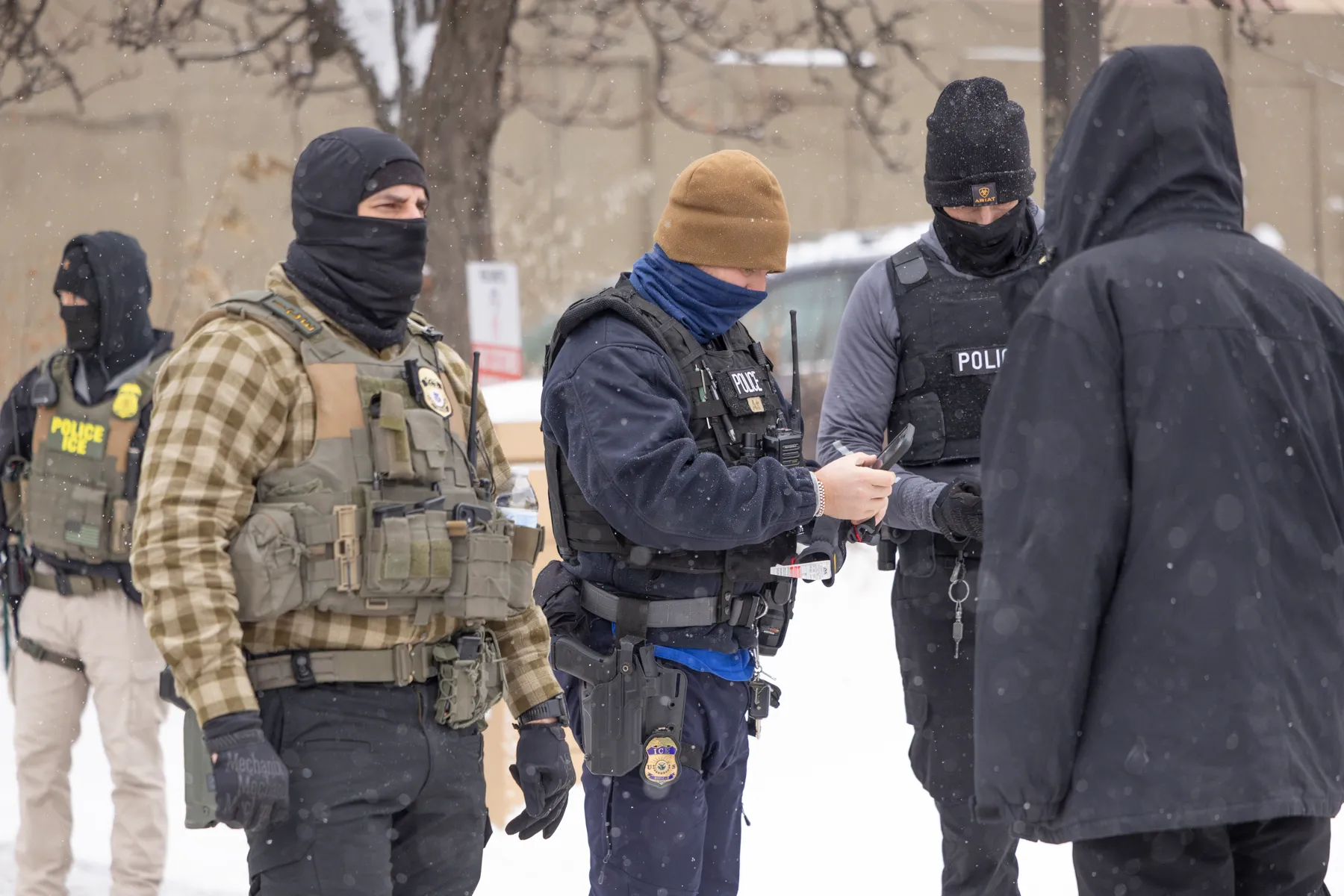
Inside the upper ranks of U.S. Immigration and Customs Enforcement, a new and unsettling fear is beginning to take hold — one that goes far beyond protests, political pressure, or media criticism.
According to accounts circulating among senior officials, ICE leadership is increasingly worried that if agents are prosecuted for civil rights violations, assault, or even murder tied to enforcement actions, juries may waste little time deliberating before delivering guilty verdicts and pushing for the harshest penalties allowed by law. The concern is rooted in a growing realization that federal agents are not immune from prosecution, regardless of how strongly the Trump administration continues to publicly defend them.
This anxiety has intensified following a series of deadly encounters involving federal immigration officers, particularly in Minneapolis, where fatal shootings during enforcement operations ignited national outrage. Those incidents transformed immigration enforcement from a policy debate into a moral and legal flashpoint, drawing in state prosecutors, civil rights advocates, and a furious public demanding accountability.
For decades, ICE agents operated under the assumption that federal authority provided a powerful shield. Acting within the scope of their duties was widely believed to protect them from state-level prosecution. But legal experts have long warned that such protections are not absolute. If an agent’s actions are deemed unlawful, excessive, or outside the bounds of constitutional authority, immunity can evaporate — leaving the individual agent personally exposed.
That legal reality is now sinking in.
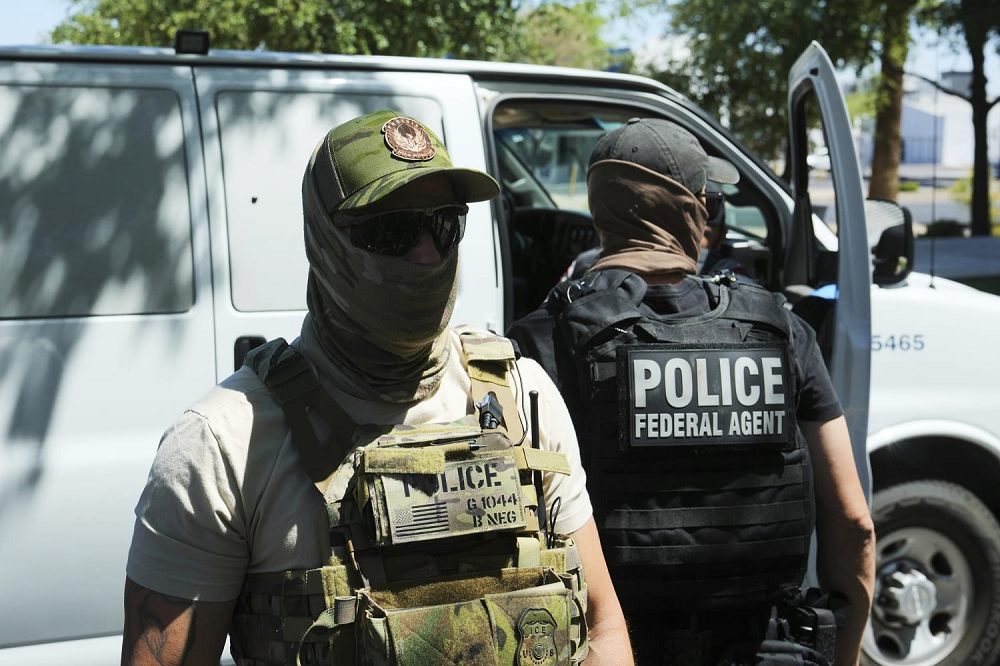
Behind closed doors, ICE officials are reportedly discussing worst-case scenarios: aggressive state prosecutors filing criminal charges, judges allowing cases to proceed, and juries composed of citizens who already view the agency with deep suspicion. In heavily Democratic or protest-driven jurisdictions, officials fear jurors may come into the courtroom emotionally primed to make an example out of federal agents.
What worries ICE leadership most is not just the possibility of prosecution, but the speed with which justice could move once a case reaches a jury. Some officials believe public anger is so intense that deliberations could be short, verdicts swift, and sentences severe — regardless of arguments about duty, policy, or orders from higher up.
Adding to the tension is the widening rift between federal agencies and state authorities. In Minnesota, state officials have taken independent steps to preserve evidence after being excluded from federal investigations, signaling that they are prepared to act if federal processes fall short. Similar sentiments are being echoed in other states, where prosecutors have openly stated that federal badges do not place anyone above the law.
Within ICE, agents are beginning to ask uncomfortable questions. If an operation goes wrong, who truly has their back? Will political leaders still defend them once courtrooms replace press conferences? And if a jury is asked to decide between a grieving community and a federal officer, which side will it choose?
The Trump administration has continued to strongly defend ICE, insisting that agents are performing necessary and lawful duties. But that reassurance is increasingly viewed as political, not legal. Agents understand that statements of support do not guarantee protection once a case enters the justice system.
Civil rights advocates argue that this fear is overdue. They say accountability has been absent for too long and that the threat of prosecution is not persecution, but the rule of law finally catching up. From their perspective, juries delivering harsh verdicts would reflect community judgment, not injustice.
For ICE agents, however, the moment feels like standing on shifting ground. Many joined the agency believing the federal government would shield them from personal legal ruin. Now, some fear they could become examples — convicted not just for individual actions, but for the broader anger aimed at the agency itself.
No major wave of convictions has yet materialized. But the fear alone is reshaping conversations inside ICE. Confidence has been replaced with caution. Certainty with doubt. And the once-assumed safety of immunity is now viewed as fragile, conditional, and possibly temporary.
As public trust erodes and calls for accountability grow louder, IC






Taylor Swift Reveals Her Mom Is Facing Cancer Again: ‘I Give All of My Worry to Real Problems Now’

Travis Kelce Gives Fans a Glimpse Into His Family Vacation in St. Barts as Wife Taylor Swift Relaxes Under the Tent While He Shows Off His Unexpected Master-Chef Skills During a Fun-Filled Outdoor Cooking Moment..See the videos and photos

OMG!! Taylor Swift and Travis Kelce Finally Confirm That… See Full Details

“Taylor Swift went grocery shopping with Travis Kelce’s mom, Donna, and sister-in-law, Kylie. The pop star is already fitting right in with the family and is also looking like…See 10 Beautiful Photos

Taylor Swift and Travis Kelce Melt Hearts With a Sweet Garden Embrace and Playful Barefoot Dance, Giving Fans a Rare Glimpse Into Their Fun-Filled, Romantic Married Life as They Unwind Together Before the Kansas City Chiefs’ Big Game

TAYLOR SWIFT AND TRAVIS KELCE’S QUIET POST-GAME MOMENT MELTS HEARTS! After the NFL Game, the Couple Retreats to a Peaceful Private Setting, Sharing a Tender Kiss and Sweet Glances Through the Window as They Simply Enjoy Being Close to Each Other..

Looks Like His Wife Dresses Him’ — Fans Sense Taylor Swift in Travis Kelce’s Stylish Outfit for Chiefs Preseason Game 1

Taylor Swift and Brittany Mahomes plan to surprise their husbands and to support their game tonight…

NO LONGER THE RUMOR: Just one hour ago, Travis Kelce dropped the long-awaited announcement we’ve all been hoping for…

Travis Kelce flashes his wedding ring as he arrives for first Chiefs game tonight since marrying Taylor Swift… but his new wife is not spotted in the stands…

Travis Kelce Spotted on a Stroll With Wife Taylor Swift and a Baby Bump Just Weeks After Their Wedding, and Fans Are All Saying the Same Thing… See the Photos
