
NEWS
NEWS: Trump confirms to Fox News that ICE agents will conduct enforcement at the Super Bowl, calling it an “effective move.” The statement has caused widespread reactions nationwide.

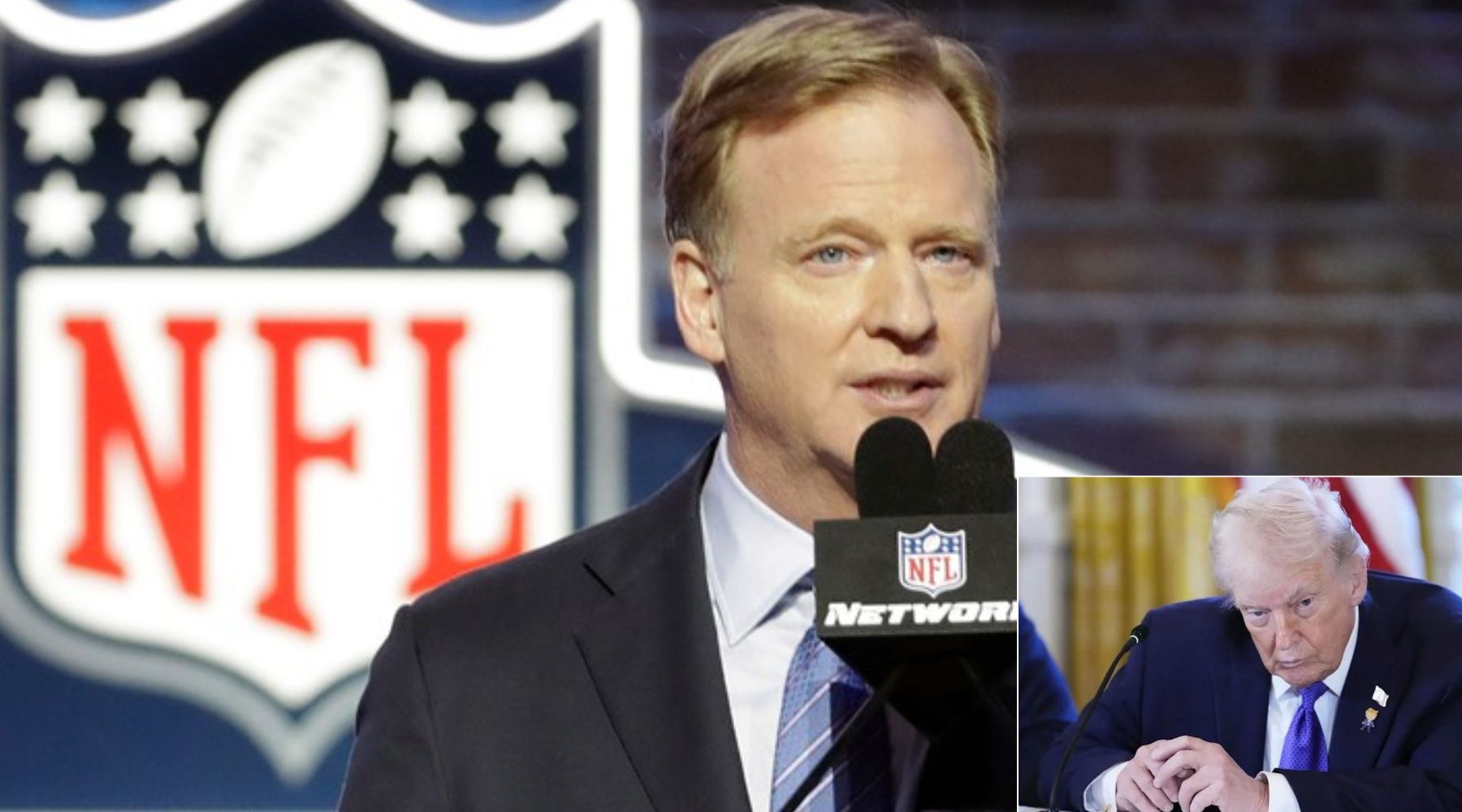
When President Donald Trump appeared on Fox News and confirmed that U.S. Immigration and Customs Enforcement agents would conduct enforcement operations at the upcoming Super Bowl, he described it as an “effective move.” What he likely expected to be seen as a show of strength instead triggered a storm of fear, outrage, and uncertainty across the nation.
The Super Bowl, America’s most watched sporting event, has always symbolized celebration — family gatherings, big plays, halftime spectacles, and viral commercials. But this year, as news of ICE’s planned presence spread, the atmosphere shifted. What was supposed to be a game day full of joy became overshadowed by questions about safety, liberty, and whether a federal immigration force should be operating in a setting where millions of fans gather.
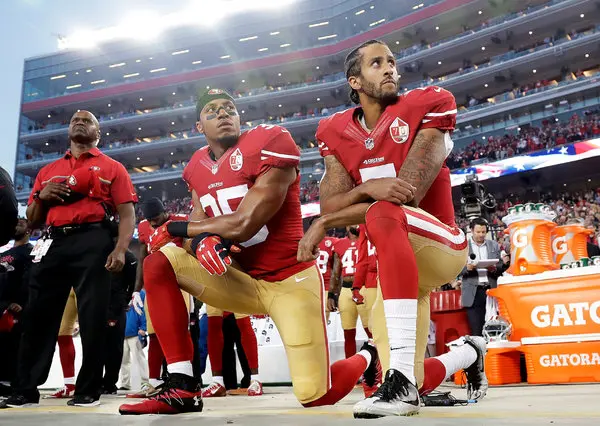
In the hours after the announcement, reports began to surface that NFL players — many of whom had stayed silent during political tensions in past seasons — were now openly considering refusing to play. Team locker rooms, normally focused on strategy and rivalries, were reportedly filled with private discussions about conscience, safety, and the optics of taking the field under the watch of federal agents whose recent actions have ignited nationwide anger.
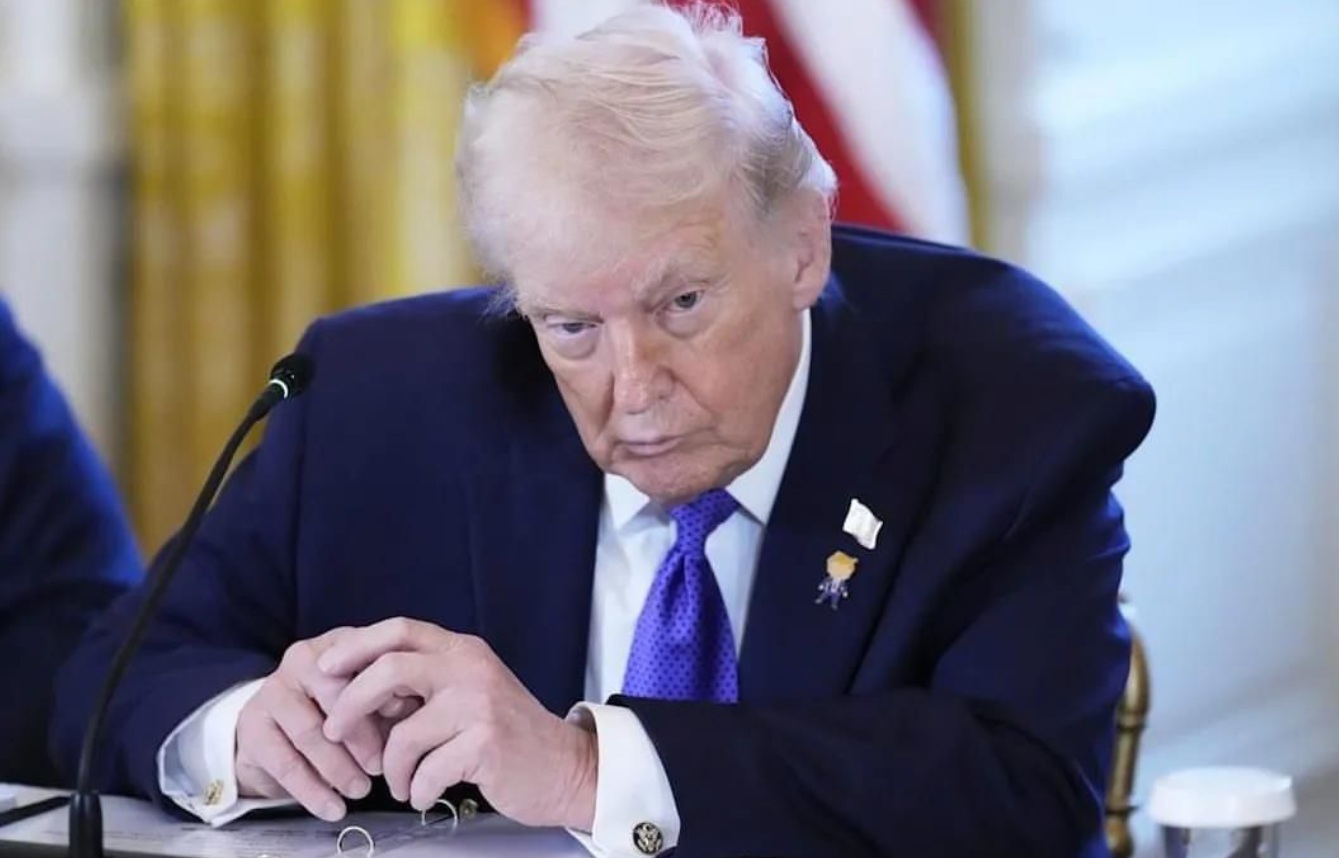
International fans planning to travel to the Super Bowl also began cancelling tickets and flights. For many, the idea of entering the U.S. only to face immigration enforcement at a public event — one broadcast to tens of millions around the world — suddenly seemed frightening rather than festive. Headlines about ICE activity far from football — particularly controversial enforcement operations in Minneapolis — had already made global news, and now fans feared that same enforcement could shadow them in a stadium full of strangers.
The uproar was tied closely to real events in Minnesota, where federal immigration operations have been met with intense controversy. Multiple fatal shootings involving federal agents — including the deaths of civilians during enforcement actions — sparked protests and a political firestorm. Local leaders, families of the victims, and community members demanded accountability, and national attention turned sharply toward federal tactics that many view as aggressive and dangerous.
Just as tensions peaked, Taylor Swift — one of the world’s most recognizable figures — added fuel to the fire. In a recent interview, she revealed how “happy” she was that she would not be attending the Super Bowl this year. Her words, simple but loaded with meaning, reverberated through social media, amplifying anxieties about safety and the broader cultural implications of the planned enforcement. While Swift did not elaborate extensively, her reluctance to attend one of the biggest events of the year — even as a fan — became its own sort of statement in a moment already fraught with controversy.
As Super Bowl planners grappled with plunging fan confidence and internal debates about player participation, the controversy spread beyond football. Rumors began to swirl that the World Cup, set to take place in the U.S., was also at risk of being affected by similar enforcement concerns. Questions that should have been about teams, rivals, and trophies were now being asked about visas, immigration checks, and fan safety.
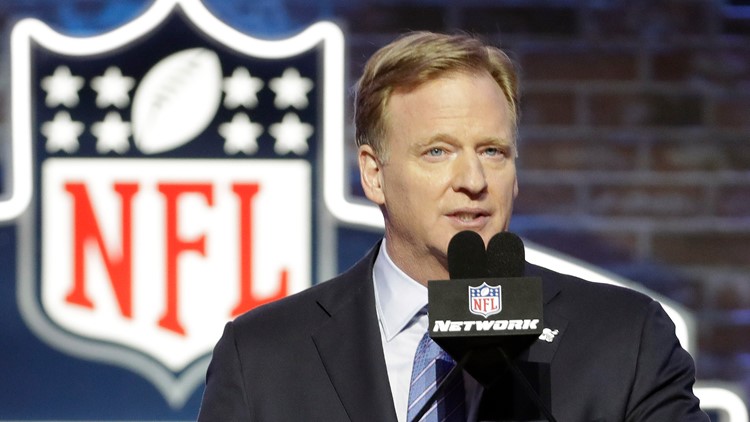
But what officials and the public did not expect was the response coming from the heart of the NFL itself. Traditionally cautious about political entanglements, league leadership found itself drawn into the national fray. Behind closed doors, conversations once reserved for broadcast schedules and player contracts shifted to debates about civil liberties, public perception, and whether the league could — or should — stand up to federal policy decisions that many felt had crossed a line.
And this is where the suspense truly thickens: how will President Trump respond? With national polls showing rising concern about federal immigration enforcement and even growing support for abolishing ICE among some conservative voters, the political terrain around the issue is shifting dramatically.
Trump’s decision to frame ICE enforcement as not just a security measure but an “effective move” at a beloved cultural event has already backfired in unexpected ways. What was meant to reassure supporters has instead unleashed a wave of pushback from sports figures, international fans, cultural icons, and everyday citizens who are now questioning the very fabric of public safety and national identity.
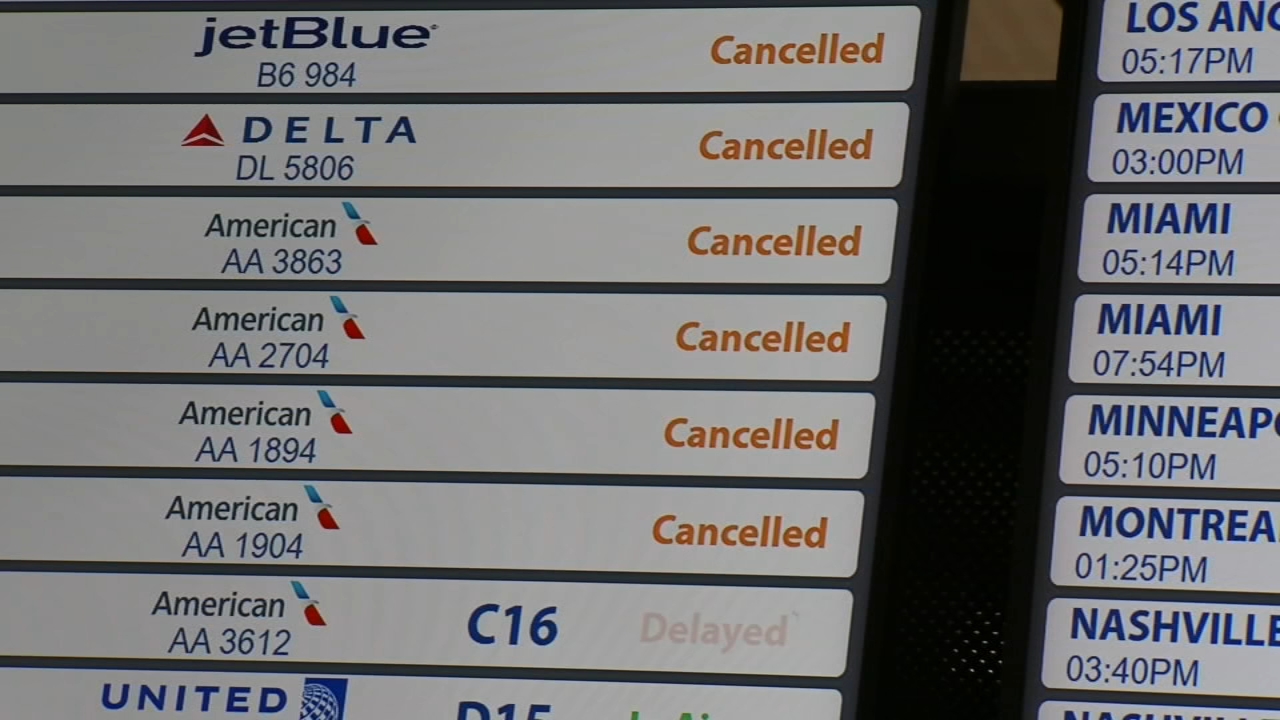
In a matter of weeks, what could have been a routine announcement about law enforcement at a game turned into a cultural crisis, one that threatens not just attendance numbers but national unity, international reputation, and the relationship between sport and society.
As the countdown to Super Bowl Sunday continues, the nation is left holding its breath — not just for the kickoff, but for how this unprecedented standoff will unfold under America’s glare. Will players take a stand? Will fans show up in force or fear? And above all, how will Trump respond if the very spectacle he sought to secure becomes a symbol of division instead? These are the questions now hanging in the air, unanswered and urgent, as one of the world’s most beloved spectacles becomes one of its most contentious battlegrounds.




Taylor Swift and Travis Kelce Hold Hands Following Dinner Date Night in N.Y.C.

OMG!! Taylor Swift and Travis Kelce Finally Confirm That… See Full Details

Taylor Swift’s new song “Cleveland!” is a love letter to Travis Kelce… and a message to the haters!

Taylor Swift’s Sweetest Moment Steals the Spotlight as She Cheers for Husband Travis Kelce, Shouts “That’s My Husband,” Then Shares a Heartwarming Hug With Mama and Papa Kelce…See full video ⤵️

Taylor Swift’s Sweetest Postgame Moment Yet as She Runs Straight Into Husband Travis Kelce’s Arms After Chiefs-Colts Clash, Sharing a Hug and Celebrating Together on the Field after dramatic winner where Travis Scored a Touchdown .See full video … “

Kansas City Chiefs Announce They Will Cover Full Funeral Costs for Dillon, Isabella and 2-Year-Old Easton — Three Devoted Chiefs Fans Tragically Killed in Southeast Kansas House Fire 💔🏈 Details in the comment 👇

Taylor Swift Breaks NFL Protocol Again and Rushes to the Field to Celebrate, Hug, and Kiss Husband Travis Kelce After Chiefs’ Stunning 33–30 Overtime Win Over the Colts – Mom Andrea Swift Seen Chasing Her Daughter to Caution Her as Overexcited Taylor Couldn’t Hold Herself Back, While Patrick Mahomes Couldn’t Hold Back His Laughter… See the Full Never-Before-Seen Clip and Photos…

Taylor Swift Reveals Her Mom Is Facing Cancer Again: ‘I Give All of My Worry to Real Problems Now’

Travis Kelce Gives Fans a Glimpse Into His Family Vacation in St. Barts as Wife Taylor Swift Relaxes Under the Tent While He Shows Off His Unexpected Master-Chef Skills During a Fun-Filled Outdoor Cooking Moment..See the videos and photos

OMG!! Taylor Swift and Travis Kelce Finally Confirm That… See Full Details

“Taylor Swift went grocery shopping with Travis Kelce’s mom, Donna, and sister-in-law, Kylie. The pop star is already fitting right in with the family and is also looking like…See 10 Beautiful Photos
