
NEWS
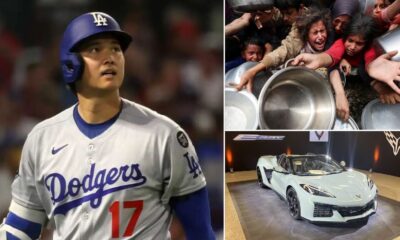
They Said Shohei Ohtani Was Overpaid. Two Years Later, Nobody’s Saying That Anymore

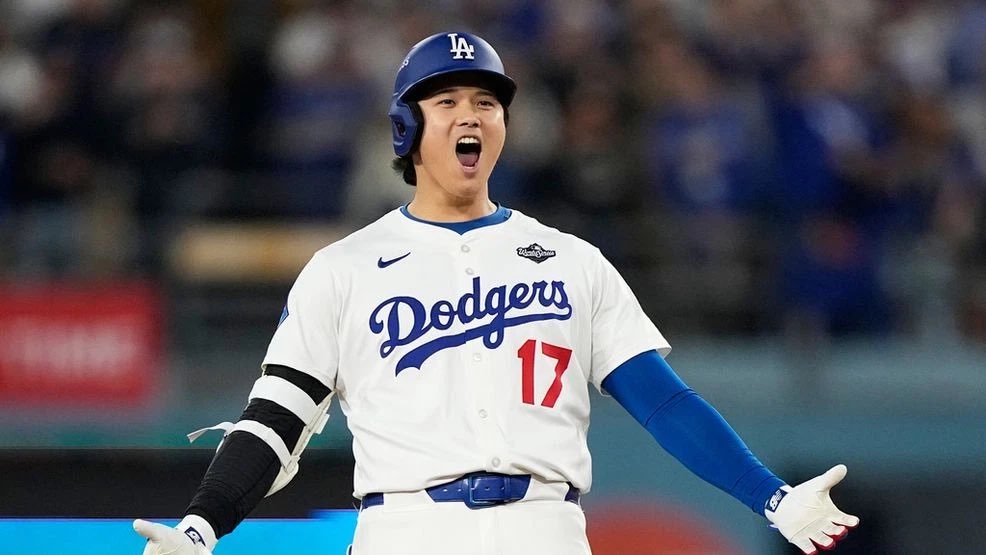
Two years ago, the Los Angeles Dodgers did something that shook the entire sports world. They signed Shohei Ohtani to a staggering $700 million contract, a number so massive it instantly became a lightning rod for criticism. Analysts debated it endlessly. Fans argued across social media. Commentators repeated the same phrase over and over again: No player is worth that much.
At the time, the skepticism felt understandable. Baseball had never seen anything like it. Even superstar contracts in other major sports didn’t touch that figure. Many said the Dodgers had gone too far, that they were gambling recklessly, that the deal would haunt the franchise for decades.
Fast forward two years.
The Dodgers have now won two championships. The organization has become the most desirable destination in baseball. And the conversation around Shohei Ohtani’s contract has completely flipped.
The deal that once sounded outrageous now looks… smart. Strategic. Almost obvious.
In fact, many are starting to say something unthinkable back then: Shohei Ohtani might actually be underpaid.
What critics failed to grasp wasn’t just Ohtani’s talent. It was the impact.
Shohei Ohtani isn’t just an elite player. He’s a once-in-a-century force. A global icon. A walking reminder that baseball can still produce awe. His presence transforms everything around him — the clubhouse, the fanbase, the brand, and most importantly, the belief inside the organization.
When Ohtani arrived in Los Angeles, the Dodgers weren’t just adding production to their lineup. They were declaring who they wanted to be. A franchise that thinks big. A franchise that builds for winning, not just surviving. A franchise willing to commit fully to greatness.
That mindset matters more than people realize.
Winning organizations don’t happen by accident. They’re built through culture. And culture starts with the standards you set. By bringing in Ohtani and backing it up with an unprecedented commitment, the Dodgers sent a message to the entire league: This is where championships are expected, not hoped for.
Players around baseball noticed.
Suddenly, Los Angeles wasn’t just another big-market team. It became the place players wanted to be. Veterans chasing rings. Young stars looking for leadership. Role players eager to be part of something bigger than themselves. The Dodgers didn’t have to beg talent to come. Talent started knocking on their door.
And at the center of it all stood Shohei Ohtani.
He plays the game the right way. He prepares obsessively. He carries himself with humility while performing at a level few have ever reached. Teammates don’t just admire him — they feed off him. When your best player works the hardest, excuses disappear. Standards rise. Accountability becomes natural.
That kind of influence doesn’t show up on a stat sheet.
Two championships in two years aren’t a coincidence. They’re the result of alignment. Front office vision. Player buy-in. A shared belief that winning isn’t optional. And Ohtani became the symbol of that belief.
Financially, the deal has paid off in ways critics never factored in. Global attention. Massive merchandise sales. International growth. Television ratings. Sponsorships. The Dodgers didn’t just sign a player — they expanded the sport’s reach. Ohtani brought millions of new eyes to the franchise, turning the Dodgers into a worldwide brand rather than just a successful MLB team.
When you consider everything — the titles, the culture shift, the global impact, the attraction of other elite players — the $700 million number starts to shrink. Spread across championships, revenue growth, and organizational transformation, it doesn’t look reckless at all.
It looks calculated.
It looks visionary.
And it exposes the real mistake critics made two years ago. They evaluated Shohei Ohtani like a normal player. He was never that. He’s a multiplier. He elevates systems. He changes trajectories. He makes winning sustainable.
Today, the narrative is gone. No more talk of overpayment. No more warnings about regret. Instead, there’s quiet acknowledgment across the league that the Dodgers saw something others didn’t — or were too afraid to act on.
The Los Angeles Dodgers are now the gold standard for how to run a modern sports organization. Bold leadership. Clear culture. Relentless pursuit of excellence.
Two years ago, people laughed.
Today, everyone else is trying to copy the blueprint.
And it all started with believing that Shohei Ohtani was worth betting on — even when the world said he wasn’t.









The moment that has instantly captured the attention of fans around the world, Travis Kelce has finally unveiled the first official look at his wife, Taylor Swift, in her stunning custom Dior wedding dress — and the internet cannot stop talking about it. Alongside the breathtaking gown, Swift’s sparkling wedding ring has also become a major highlight, adding an extra layer of excitement to the already magical reveal.. See 20 photos SEE MORE:

THERE HE IS! President Trump has EMERGED at Metlife Stadium for the World Cup in front of 90,000 FANS He’s seated with First Lady Melania and FIFA President Gianni Infantino…

Breaking : The newly married couples Travis Kelce and her wife Taylor swift will be at the final world cup tonight…

Taylor Swift Marries Travis Kelce in Jaw-Dropping Madison Square Garden Wedding – Kanye West Joins the Celebration

The moment that has instantly captured the attention of fans around the world, Travis Kelce has finally unveiled the first official look at his wife, Taylor Swift, in her stunning custom Dior wedding dress — and the internet cannot stop talking about it. Alongside the breathtaking gown, Swift’s sparkling wedding ring has also become a major highlight, adding an extra layer of excitement to the already magical reveal.

Taylor Swift and Travis Kelce Go Absolutely Wild at the 2026 ESPYs Red Carpet in NYC – Travis Gives Pregnant Taylor a Wild Piggyback Ride First, Then She Struggles Hilariously to Carry Him Back as Her Baby Bump Nearly Pops Out… See Clip

Travis Kelce Finally Drops 15 Irresistible Photos of His Adorable Wife Taylor Swift’s Majestic Wedding Dress Fans Have Been Desperately Begging For

Kylie Kelce Posts New Photos and Clip of Adorable and Emotional Wedding Moments as Her Three Daughters, Wyatt, Elliotte, and Bennett Serve as Flower Girls

Just one week after their star-studded Madison Square Garden wedding extravaganza, Travis Kelce and Taylor Swift stepped out as newlyweds to attend new Giants receiver JuJu Smith-Schuster’s wedding…
Just one week after their star-studded Madison Square Garden wedding extravaganza, Travis Kelce and Taylor Swift stepped out as newlyweds to attend new Giants receiver JuJu Smith-Schuster’s wedding…

Travis Kelce Finally Drops Photos of His Beautiful Wife Taylor Swift’s Goddess Wedding Dress Fans Have Been Begging For
